





What's Happening?
Retail mergers and acquisitions (M&A) in 2026 are increasingly focused on acquiring capabilities that differentiate retailers, rather than solely on expanding scale. This trend is driven by value-conscious consumers, persistent cost pressures, and the transformative
impact of AI on shopping behaviors. Retail leaders are prioritizing transactions that enhance customer value propositions and improve operational models. Key trends include regional scale and loyalty reshaping grocery growth, the development of product-plus-service ecosystems to increase customer lifetime value, and brand equity influencing acquisition decisions. Additionally, financially challenged brands with strong recognition and loyal customer bases are emerging as strategic targets, as seen in Shein's acquisition of Everlane.
Why It's Important?
This shift in M&A strategy reflects a maturing retail landscape where traditional growth models are being re-evaluated. By focusing on capabilities, retailers aim to build more resilient and competitive businesses that can adapt to evolving consumer demands and technological advancements. The integration of AI into retail operations and customer interactions necessitates strategic acquisitions that bring specialized expertise or technology. The emphasis on brand equity and customer loyalty in M&A deals highlights the enduring value of established relationships and differentiated offerings, even for brands facing financial difficulties. This strategic realignment is crucial for retailers to navigate a complex market characterized by intense competition, economic uncertainties, and rapid technological change, ultimately impacting market consolidation and the competitive dynamics of the U.S. retail sector.
What's Next?
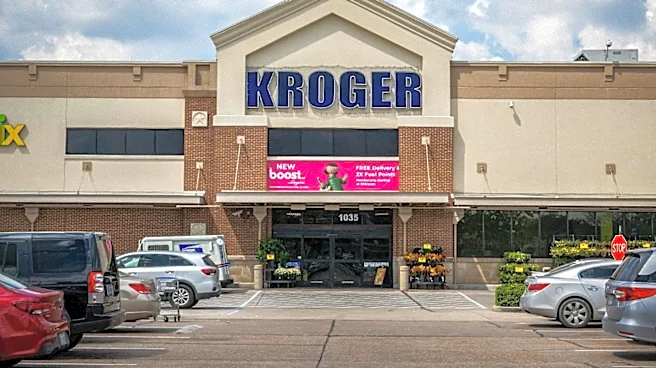
The retail M&A landscape will likely continue to favor targets that enhance a retailer's ability to create value in an AI-mediated and margin-constrained environment. Differentiated brands, retail media assets, and loyalty programs are expected to remain attractive acquisition targets. There will be an increased focus on product-content capabilities, service networks, and fulfillment infrastructure to strengthen execution. Responsible use of customer data will also be a key value driver. The success of these deals will depend heavily on how quickly and effectively leaders align the acquired assets with their existing customer propositions and operating models. Regulatory scrutiny, particularly in large-scale mergers like Kroger's agreement to acquire Giant Eagle, will also play a significant role in shaping future M&A activity.
Beyond the Headlines
The acquisition of challenged brands, such as Shein's purchase of Everlane, reveals a complex interplay between brand legacy, consumer values, and market strategy. While such deals can provide access to new customer segments and diversify offerings, they also carry risks of backlash if the acquiring company's values clash with those of the acquired brand's loyal customer base. This highlights the growing importance of ethical considerations and brand perception in M&A. Furthermore, the emphasis on product-plus-service ecosystems suggests a move towards holistic customer solutions, blurring the lines between traditional retail and service industries. This could lead to innovative business models and new forms of customer engagement, but also presents challenges in integrating diverse operational structures and maintaining a consistent brand experience.