
What's Happening?
Vietnamese electric vehicle manufacturer VinFast has outlined its comprehensive net-zero strategy, aiming to achieve net-zero emissions by 2040. This plan involves significant investments in industrial
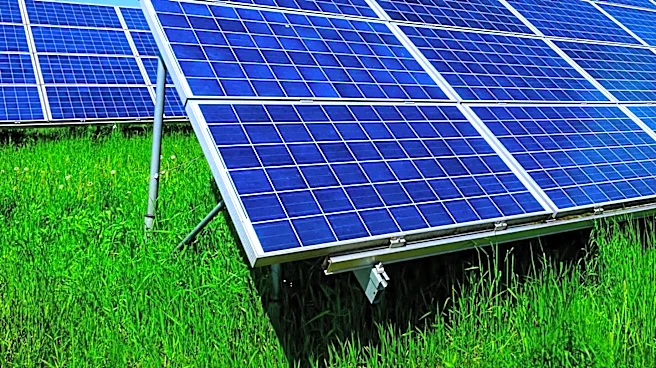
electrification, smart energy monitoring, renewable electricity, and battery energy storage across its global operations. The company's climate roadmap, approved in January 2025, is built on a '3E Mission': Electrification, Energy Saving, and Energy Greening. By 2030, VinFast plans to electrify equipment at its production and business sites and implement smart energy monitoring systems by 2028 to optimize electricity consumption. In 2024, efficiency measures at its Hai Phong manufacturing complex reportedly saved approximately 2.7 GWh of electricity, reducing CO2 equivalent emissions by an estimated 1,782 metric tons. The company is also developing a 30 MWp rooftop solar project and intends to source 100% of its electricity from renewable sources at all manufacturing plants by 2040. VinFast reported greenhouse gas emissions exceeding 1.12 million metric tons of CO2 equivalent in its 2022 baseline year, projecting this could rise to over 20 million metric tons if current facilities reach maximum capacity. The company aims to reduce Scope 1 and 2 emissions by 42% and Scope 3 emissions by 29% by 2030.
Why It's Important?
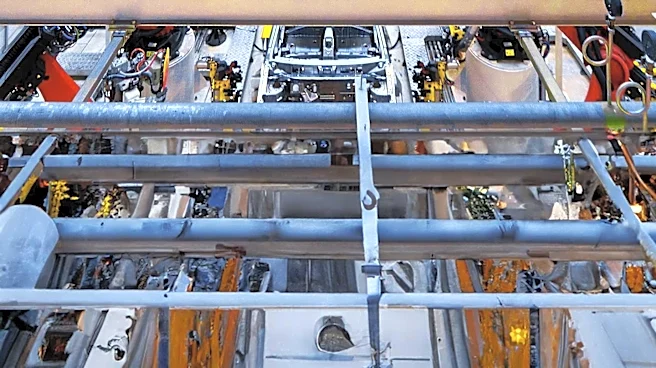
VinFast's ambitious net-zero strategy is significant for the U.S. electric vehicle market and broader manufacturing sector. As VinFast expands its electric mobility operations internationally, including introducing electric buses to the U.S. market through a partnership with NexMove, its commitment to decarbonization sets a precedent for sustainable manufacturing practices. This strategy addresses the environmental footprint of vehicle production beyond just the drivetrain, focusing on factory-level energy management and supply chain emissions. For U.S. consumers and fleet operators, the availability of electric vehicles and buses from a manufacturer with a strong net-zero commitment could influence purchasing decisions and contribute to broader sustainability goals. The company's approach to integrating industrial automation, energy monitoring, renewable generation, and energy storage into its production facilities offers a model for other manufacturers seeking to reduce their environmental impact while scaling operations. This could also spur innovation and competition in green manufacturing technologies within the U.S. as companies strive to meet similar environmental targets.
What's Next?
VinFast plans to continue implementing its 3E Mission, with key milestones including the electrification of production equipment by 2030 and the full adoption of smart energy monitoring systems by 2028. The company expects certified electric bus deliveries to begin in the U.S. in the first quarter of 2028, following demonstration vehicle evaluations by fleet operators. By 2040, VinFast aims to reduce total emissions by at least 85%, neutralizing the remaining emissions through carbon offsetting mechanisms. This long-term commitment suggests ongoing investment in renewable energy infrastructure and energy efficiency technologies. The success of VinFast's strategy could influence other automotive manufacturers to accelerate their own decarbonization efforts, potentially leading to a more sustainable global automotive industry. Future developments will likely include further partnerships in renewable energy and advanced manufacturing processes to meet these ambitious targets.
Beyond the Headlines
VinFast's net-zero strategy highlights a growing trend in the automotive industry where environmental responsibility is becoming a core business imperative, not just a marketing tool. The focus on comprehensive emission reduction across all scopes—from direct factory operations (Scope 1 and 2) to the supply chain (Scope 3)—reflects an understanding of the holistic impact of manufacturing. This approach could drive significant shifts in global supply chains, encouraging suppliers to adopt greener practices to remain competitive. Ethically, it positions VinFast as a leader in corporate environmental stewardship, potentially enhancing its brand reputation and attracting environmentally conscious consumers and investors. Legally, as regulatory pressures for carbon reduction intensify globally, companies with proactive strategies like VinFast's may be better positioned to adapt to future environmental policies and avoid potential penalties. Culturally, such initiatives contribute to a broader societal expectation for businesses to operate sustainably, influencing consumer behavior and corporate governance standards worldwide.