
What's Happening?
Audi has reintroduced the A2 as an electric vehicle, emphasizing efficiency and aerodynamics. The original A2 was known for its innovative engineering, featuring an aluminum spaceframe and aerodynamic design.
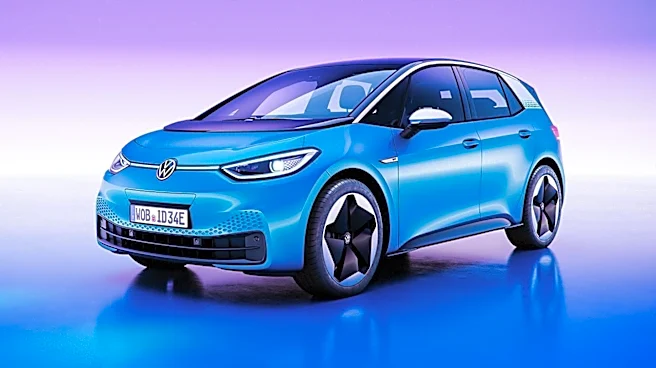
The new A2 E-tron aims to replicate this efficiency with a focus on aerodynamics, using a design that minimizes air resistance. The vehicle is based on the Volkswagen Group's MEB platform and includes upgrades such as a new electric motor and improved battery technology. The A2 E-tron is positioned as a premium compact EV, competing with models like the Volkswagen ID 3 and Renault Megane.
Why It's Important?
The revival of the Audi A2 as an electric vehicle highlights the automotive industry's shift towards sustainability and efficiency. By focusing on aerodynamics and efficient design, Audi is addressing consumer demand for environmentally friendly vehicles with lower energy consumption. The A2 E-tron's use of the MEB platform and advanced battery technology reflects broader trends in EV development, where manufacturers seek to balance performance with sustainability. This move positions Audi to compete in the growing compact EV market, appealing to consumers seeking premium, efficient transportation options.
What's Next?
Audi's introduction of the A2 E-tron is likely to influence its future EV strategy, potentially leading to further innovations in design and technology. As the company expands its electric vehicle lineup, it may explore additional models that prioritize efficiency and sustainability. The success of the A2 E-tron will be a key indicator of consumer acceptance and market potential for compact premium EVs. Audi's approach may also inspire other automakers to revisit and modernize past models with a focus on electric powertrains and efficiency.