






What's Happening?
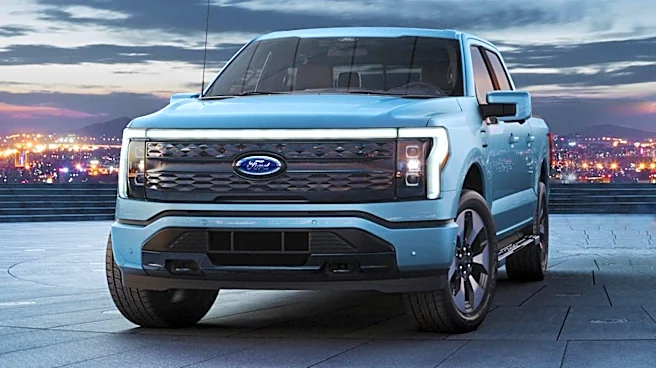
Ford Motor Company CEO Jim Farley has confirmed that the company is developing a new, more affordable utility vehicle (ute) specifically for international markets, with a target release in 2027. This strategic move is aimed directly at competing with Chinese
manufacturers who are increasingly dominating the affordable vehicle segment globally. Farley stated that the new ute is being engineered with base material costs approximately 20% lower than the current Ford Ranger. This cost reduction strategy is designed to give Ford a competitive edge in pricing against Chinese rivals like BYD, whose Shark 6 model and other offerings are reshaping market expectations for price, equipment, and electrification. While Ford has not yet confirmed the new ute for specific markets like Australia, nor revealed its price, powertrain, or final name, the company's direction indicates a clear focus on price competitiveness. Additionally, Ford has filed a trademark application for 'Ranger Crosspower,' suggesting the potential for another electrified Ranger variant.
Why It's Important?
This initiative by Ford is significant as it signals a direct response from a major American automaker to the growing influence of Chinese manufacturers in the global automotive market, particularly in the utility vehicle segment. By focusing on a more affordable ute with substantially reduced material costs, Ford aims to reclaim market share and maintain its competitive standing in international markets where price sensitivity is high. The move could impact global automotive supply chains as Ford seeks to optimize costs, potentially leading to new sourcing strategies. For consumers in international markets, this could translate into more affordable and competitive vehicle options. The development also highlights a broader industry trend where established automakers are adapting their strategies to counter the aggressive pricing and rapid innovation from Chinese electric vehicle and traditional vehicle manufacturers. This could force other Western automakers to re-evaluate their own cost structures and product offerings to remain competitive.
What's Next?
In the coming years leading up to the 2027 target release, Ford will likely continue to refine the design, engineering, and manufacturing processes for this new affordable ute. Key next steps will involve finalizing the vehicle's specifications, powertrain options, and identifying the specific international markets where it will be launched. We can anticipate further announcements regarding the vehicle's official name, pricing strategy, and detailed features. Ford will also need to navigate potential challenges in achieving the targeted 20% reduction in material costs while maintaining quality and safety standards. The success of this new model will be closely watched by competitors and industry analysts, as it could set a precedent for how Western automakers respond to the evolving global automotive landscape dominated by emerging players. The potential introduction of an electrified Ranger variant, hinted at by the 'Ranger Crosspower' trademark, also suggests Ford's broader strategy to offer diverse and competitive options.
Beyond the Headlines
This strategic shift by Ford extends beyond immediate market competition; it reflects a fundamental re-evaluation of global manufacturing and supply chain economics within the automotive industry. The emphasis on significantly lower material costs suggests a potential paradigm shift in how vehicles are designed and produced, possibly leading to greater localization of supply chains or the adoption of new, more cost-effective materials and manufacturing techniques. This could have long-term implications for the global automotive ecosystem, influencing investment in new technologies and production facilities. Furthermore, Ford's direct challenge to Chinese manufacturers underscores the increasing geopolitical and economic competition in the industrial sector, where technological leadership and cost efficiency are becoming critical determinants of success. The outcome of this venture could influence future trade policies and international collaborations in the automotive industry, as nations vie for dominance in the rapidly evolving mobility landscape.