




What's Happening?
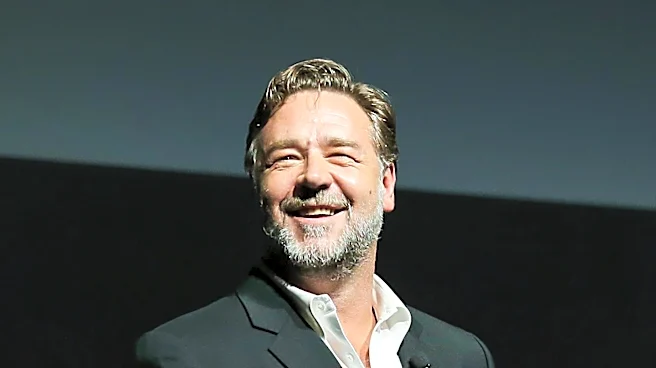
In 2005, Russell Crowe publicly criticized George Clooney for participating in advertising campaigns, labeling him, along with Robert De Niro and Harrison Ford, as 'sellouts'. This comment sparked a public feud between Crowe and Clooney, with Clooney responding
sarcastically by suggesting they form a band. The tension escalated as Crowe intensified his remarks, calling Clooney an 'aspiring Frank Sinatra'. Despite attempts at reconciliation, including Crowe sending Clooney a book of poems and a CD, the apology was not well-received. The feud highlights the competitive nature of Hollywood and the differing views on celebrity endorsements.
Why It's Important?
This feud underscores the ongoing debate in Hollywood regarding the role of celebrity endorsements and the perception of authenticity. Crowe's criticism reflects a purist view of acting, where commercial involvement is seen as compromising artistic integrity. Conversely, Clooney's participation in advertisements represents a pragmatic approach, leveraging fame for financial gain. This clash of ideologies highlights the diverse perspectives within the industry and the pressures actors face in balancing artistic pursuits with commercial opportunities. The public nature of the feud also illustrates how media can amplify personal disputes, impacting public perception and celebrity relationships.
Beyond the Headlines
The feud between Crowe and Clooney also raises questions about the impact of public disputes on personal and professional relationships in Hollywood. While the actors have since maintained a cordial relationship, the incident serves as a reminder of the potential long-term effects of public conflicts. Additionally, the discussion around celebrity endorsements may influence emerging actors' decisions regarding commercial opportunities, shaping the industry's future landscape. The incident also highlights the role of media in shaping narratives and the importance of managing public image in the entertainment industry.