





What's Happening?
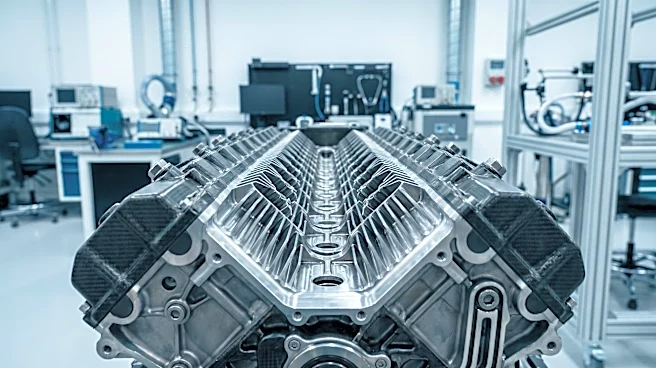
The FIA has announced that no further engine upgrades have been granted following the closure of the third Additional Upgrade and Opportunities (ADUO) review window for the F1 2026 season. The ADUO scheme was established to assist struggling manufacturers
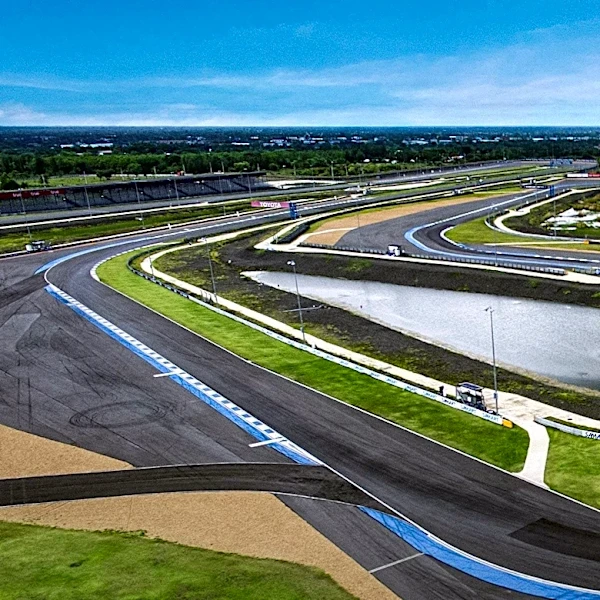
in catching up under the new regulations. This third review period took place between the Dutch and United States Grands Prix. Despite the review, Red Bull Powertrains is still considered to have the best-performing internal combustion engine on the grid. In other Formula 1 news, the Qatar and Abu Dhabi Grands Prix are confirmed to proceed as planned, concluding the F1 2026 season in the Middle East. Additionally, Esteban Ocon has broken his silence after his departure from Haas, and McLaren has provided initial design details for its F1 2027 car, specifically a revised front wing concept.
Why It's Important?
The FIA's decision to halt further engine upgrades under the ADUO scheme for the F1 2026 season has significant implications for competitive balance and technological development in Formula 1. By not allowing additional upgrades, the FIA is essentially locking in the current performance hierarchy, which could disadvantage manufacturers that were hoping to close the gap with leaders like Red Bull Powertrains. This impacts the U.S. market by influencing the competitiveness of teams and manufacturers involved in F1, potentially affecting fan engagement and investment from American companies. The stability in engine regulations, while aiming for cost control and long-term planning, might also stifle innovation for those behind. The confirmation of the Qatar and Abu Dhabi GPs ensures the continuity of the F1 calendar, which is important for global broadcasting rights and sponsor commitments, including those from the U.S.
What's Next?
With no further engine upgrades permitted under the ADUO scheme for F1 2026, manufacturers will now focus on optimizing their existing power units and developing their chassis and aerodynamic packages to gain a competitive edge. The emphasis will shift from engine development to other areas of car design and race strategy. Teams that are currently behind in engine performance will need to find innovative solutions within the existing regulations to improve their competitiveness. The confirmed F1 2026 season finale in Qatar and Abu Dhabi means teams will continue their preparations for these events. The early design details from McLaren for their F1 2027 car, particularly the front wing concept, indicate that teams are already looking ahead to the next generation of regulations, suggesting a continuous cycle of innovation and adaptation within the sport.
Beyond the Headlines
The FIA's decision regarding engine upgrades, while seemingly technical, reflects a broader philosophical debate within Formula 1 about balancing competition, innovation, and cost control. By limiting upgrades, the FIA aims to prevent an arms race in engine development, which can be prohibitively expensive and create insurmountable gaps between teams. However, this approach can also be seen as stifling the very innovation that drives the sport forward. The long-term implications could include a more standardized performance across engines, potentially leading to closer racing but also reducing the unique technological identity of each manufacturer. This policy also highlights the challenge of managing a global sport with diverse stakeholders, where decisions made by a governing body can have far-reaching effects on team strategies, financial investments, and the overall spectacle of racing. It underscores the constant tension between maintaining a competitive playing field and fostering technological advancement.