






What's Happening?
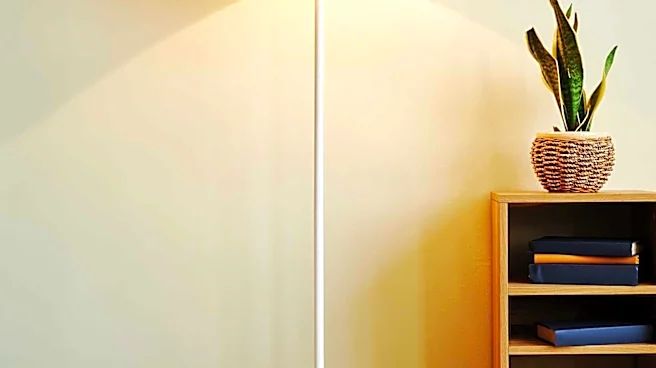
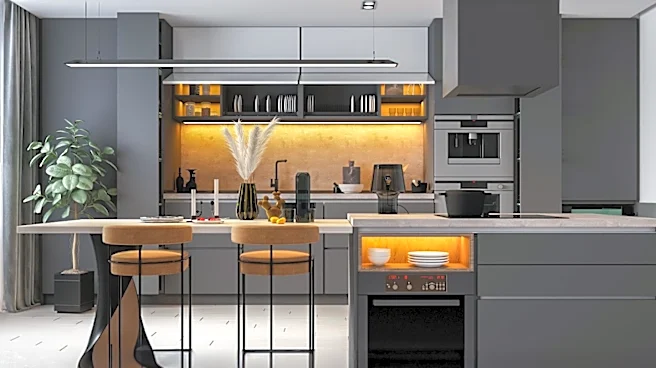
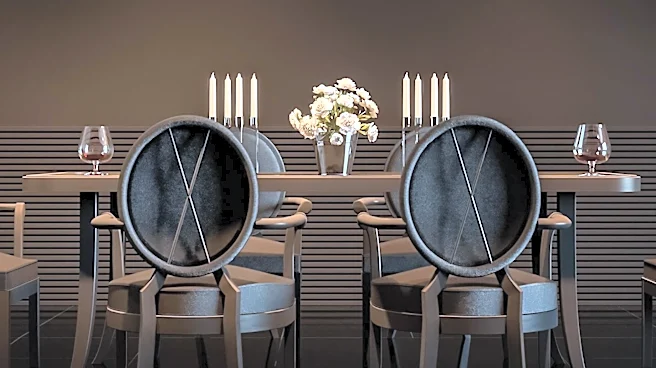
Interior designers in the U.S. are increasingly advocating for a layered lighting approach in dining rooms, combining ambient, task, and accent lighting to create balanced and adaptable environments. This strategy allows homeowners to adjust brightness
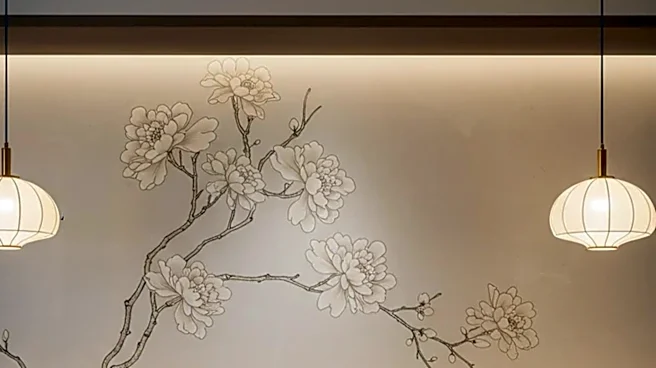
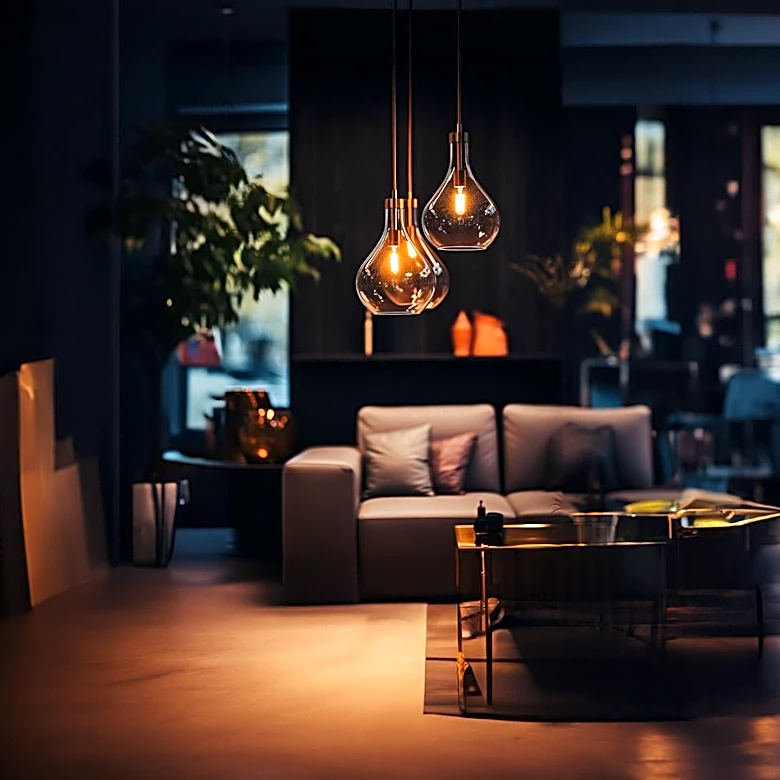
and introduce visual interest, accommodating various occasions from family meals to formal gatherings. Key considerations for effective lighting arrangements include dining table dimensions, ceiling height, furniture placement, and natural light. While a statement chandelier or pendant can serve as a central focal point, supplementary fixtures like wall sconces, table lamps, and recessed lighting provide additional illumination. For instance, linear pendants are suitable for long dining tables, distributing light evenly, and glass lighting can add decorative elements. The use of dimmer switches is also highlighted as essential for flexibility, enabling adjustments from bright task lighting to softer, intimate settings.
Why It's Important?
This emphasis on layered lighting significantly impacts the U.S. home furnishing and interior design industries. It drives demand for a wider array of lighting products, from decorative chandeliers and pendants to functional sconces and recessed lights, benefiting manufacturers and retailers. For consumers, understanding this approach empowers them to create more functional and aesthetically pleasing dining spaces, potentially increasing satisfaction and home value. The trend also underscores the importance of professional design services, as achieving a cohesive layered lighting scheme often requires expert planning. Furthermore, the focus on adaptability and ambiance reflects evolving lifestyle trends, where dining rooms serve multiple purposes beyond just eating, influencing product development and marketing strategies across the sector.
What's Next?
The adoption of layered lighting is expected to continue growing, with a focus on smart home integration for seamless control of multiple light sources. Manufacturers may develop more integrated lighting systems that offer pre-set scenes for different dining occasions, enhancing user convenience. Interior designers will likely continue to refine their techniques for combining various light types, potentially leading to new design trends and innovative fixture pairings. There may also be an increased demand for energy-efficient and customizable lighting solutions, such as LED options with adjustable color temperatures, to meet both aesthetic preferences and sustainability goals. Educational resources for homeowners on implementing layered lighting will become more prevalent, further solidifying this design principle.
Beyond the Headlines
The move towards layered lighting in dining rooms reflects a broader societal shift towards creating more intentional and experience-rich home environments. Beyond mere illumination, lighting is recognized for its psychological impact, influencing mood, comfort, and social interaction. Ethically, well-designed lighting can enhance well-being and reduce eye strain, contributing to a healthier home. Culturally, the dining room's evolving role as a multi-functional space for work, entertainment, and family life necessitates flexible lighting solutions. This trend also highlights the interplay between technology and design, as smart lighting systems become more accessible, allowing for dynamic control over ambiance. The emphasis on personalization and adaptability in lighting design mirrors a larger consumer desire for customizable living spaces that cater to individual needs and preferences.