
What's Happening?
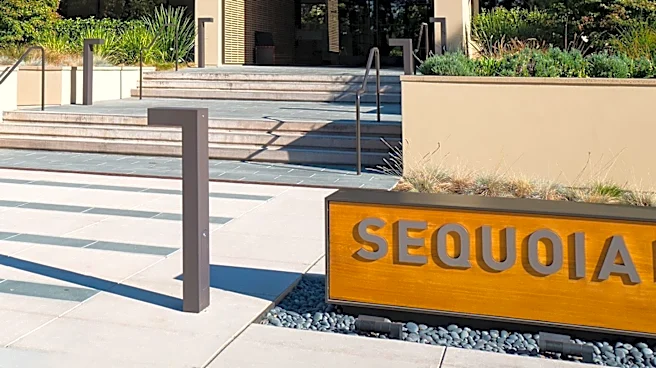
Sequoia Capital, a prominent venture capital and private equity firm based in Menlo Park, CA, has successfully raised approximately $10 billion in new funds. Founded in 1972 by Don Valentine, the firm is renowned
for its early investments in technology giants such as Apple, Google, Nvidia, and WhatsApp. Alongside this significant fundraising achievement, Sequoia Capital is undergoing a strategic restructuring of its global operations. This includes the closure of its London office, the discontinuation of its Arc and Scouts programs, and the elimination of its traditional Monday partner meeting. These changes signal a shift in the firm's operational strategy, potentially aimed at streamlining its investment processes and adapting to current market dynamics, particularly in the venture capital landscape.
Why It's Important?
This move by Sequoia Capital carries substantial implications for the venture capital industry and the broader U.S. business ecosystem. The infusion of $10 billion in new funds positions Sequoia to continue its influential role in backing innovative startups and growth-stage companies, potentially fueling the next generation of technology leaders. The restructuring, particularly the closure of its London office, suggests a strategic re-evaluation of its international footprint and a potential refocus on core markets or investment strategies. This could impact the availability of venture capital for European startups previously targeted by Sequoia's London operations. For U.S. startups, the increased capital could mean more opportunities for funding, while the internal operational changes might lead to a more agile and focused investment approach. Competitors in the venture capital space will likely observe these changes closely, as Sequoia's actions often set trends within the industry.
What's Next?
The immediate future for Sequoia Capital will likely involve the deployment of its newly raised funds into promising ventures, with a potential emphasis on emerging technologies and high-growth sectors. The firm's strategic adjustments, including the closure of its London office and the cessation of specific programs, suggest a refined investment thesis and operational model. This could lead to a more concentrated portfolio and a more streamlined decision-making process. Industry observers will be watching to see how these changes affect Sequoia's investment pace, its geographic focus, and its competitive standing. The firm's communication with its Limited Partners (LPs) regarding its strategy, particularly concerning areas like artificial intelligence, will be crucial in shaping market perceptions and attracting future capital commitments. The impact on the venture capital landscape, especially in terms of global investment flows and regional market dynamics, will unfold as Sequoia implements its new strategy.
Beyond the Headlines
Sequoia Capital's decision to raise a substantial new fund while simultaneously restructuring its global operations, including the closure of its London office, reflects a deeper trend within the venture capital industry: a recalibration of global strategies in response to evolving market conditions and geopolitical shifts. This move could signify a greater emphasis on regional specialization or a more centralized approach to investment decisions. The discontinuation of programs like Arc and Scouts might indicate a shift away from certain early-stage or experimental initiatives, potentially favoring more established or proven investment models. This strategic pivot by a firm of Sequoia's stature could influence other major venture capital players to re-evaluate their own global footprints and operational efficiencies. It also raises questions about the future of cross-border venture capital flows and the increasing importance of localized expertise in a fragmented global economy. The long-term implications could include a more concentrated venture capital market, with fewer but larger players dominating specific geographic or technological niches.