








What's Happening?
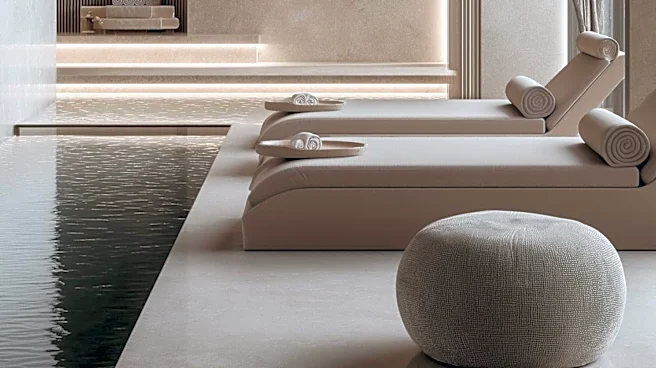
Luxury hospitality brands across the Gulf Cooperation Council (GCC) are redefining guest experiences by integrating comprehensive wellness programs through partnerships with specialized wellness brands. This shift moves beyond traditional hotel spas and gyms
to include a broader spectrum of health and well-being services. Examples include Jumeirah’s collaboration with Humantra for an exclusive electrolyte flavor, The Lana Dubai’s partnership with ALO Yoga for sound healing and Pilates, and Kerten Hospitality’s work with Lululemon for mindful movement sessions. Additionally, Triple Bay AMAALA in Saudi Arabia has partnered with Swiss longevity specialist Clinique La Prairie to offer holistic longevity programs. These collaborations aim to bring in-house expertise, products, and experiences, catering to a growing demand from well-informed wellness travelers who seek tailored and integrated health-focused offerings during their stays.
Why It's Important?
This trend signifies a significant evolution in the luxury hospitality sector, driven by increasingly knowledgeable and discerning travelers who prioritize health and well-being. The Middle East and North Africa (MENA) region is experiencing rapid growth in wellness tourism, with spending increasing by 15% annually between 2019 and 2024, and the UAE being a major contributor. For hotels, these partnerships provide access to specialist expertise, credibility, and brand equity, which would otherwise require substantial internal investment. They also create an emotional connection with guests, fostering loyalty and repeat visits. Commercially, a strong wellness offering can attract both hotel guests and local residents, generating additional revenue streams through treatments, memberships, and retail, while also differentiating properties in a competitive market.
What's Next?
Industry experts anticipate that partnerships between hospitality, wellness, fitness, and longevity brands will become increasingly common across the GCC. Hotels will need to carefully select partnerships that genuinely respond to guest needs and destination characteristics, rather than merely attaching a recognized name. The focus will be on integrating these offerings into programming, training, and service, continuously evolving to meet changing guest expectations. Future trends are expected to include a rise in recovery treatments like IV and infrared therapy, alongside simpler wellness experiences centered on sleep, movement, and mindfulness. Travelers will increasingly seek experiences that offer specialist expertise, cultural immersion, and practices they can integrate into their daily lives, pushing hotels to provide opportunities for learning, connection, and discovery.
Beyond the Headlines
The expansion of wellness offerings in luxury hotels reflects a broader societal shift towards holistic health and preventative care. This trend blurs the lines between hospitality, healthcare, and lifestyle, creating a new paradigm for luxury services. The emphasis on 'emotional connection' and 'loyalty' through wellness experiences highlights a move beyond transactional relationships to more profound guest engagement. This could lead to hotels becoming hubs for personal transformation and continuous well-being, potentially influencing urban planning and community development around these integrated wellness ecosystems. The ethical implications of such deep integration of health services within hospitality will also become more prominent, particularly concerning data privacy and the professional standards of wellness practitioners operating within hotel environments.