









What's Happening?
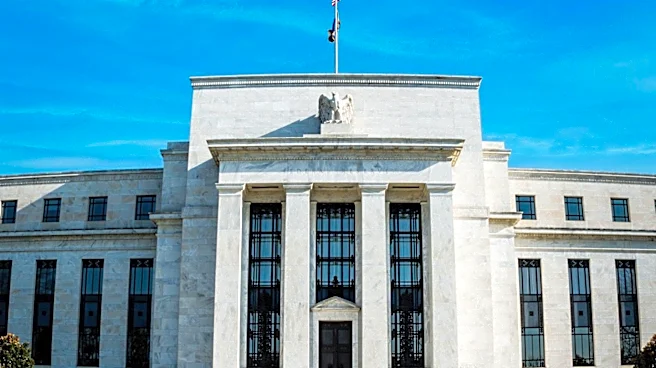
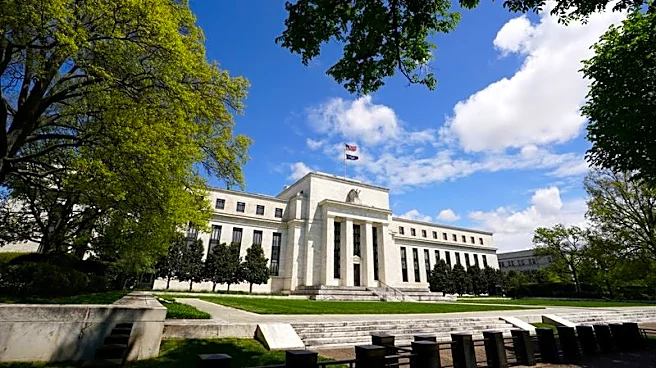
The Federal Reserve's ongoing efforts to manage money market liquidity are expected to result in a calm quarter-end, according to market participants. The central bank's injection of cash into the market has reduced the volatility typically associated
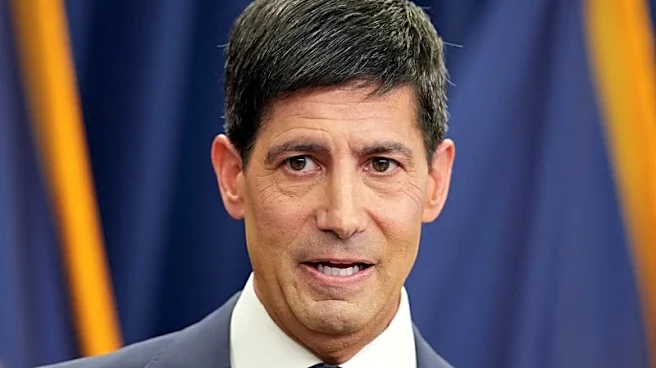
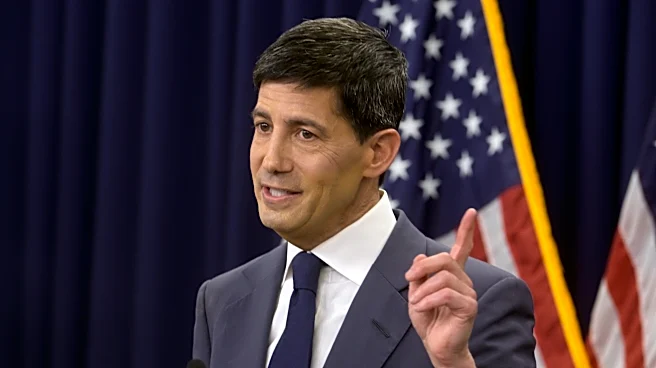
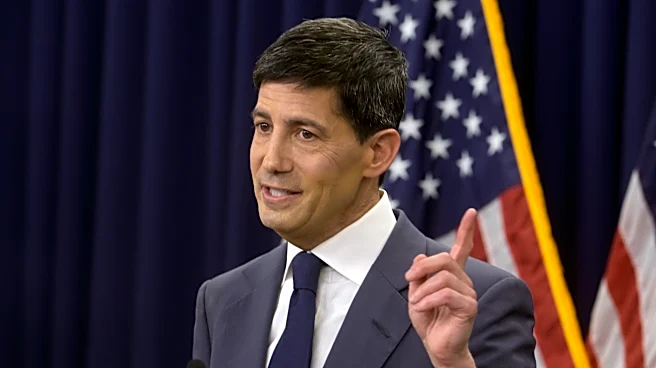
with quarter-end financial activities. This strategy includes the Fed's purchase of Treasury bills, which has been adjusted from $40 billion to $10 billion per month. The debate continues over the size of the Fed's balance sheet, with newly appointed Chairman Kevin Warsh advocating for a reduction. Economists suggest that allowing banks to hold less liquid cash could decrease the Fed's holdings by up to $1 trillion, although this may increase financial stability risks.
Why It's Important?
The Federal Reserve's actions are crucial in maintaining stability in the financial markets, particularly during periods that traditionally experience volatility, such as quarter-ends. By managing liquidity effectively, the Fed helps prevent sudden spikes in interest rates and ensures smooth market operations. The ongoing debate about the Fed's balance sheet size highlights the delicate balance between maintaining sufficient liquidity and minimizing financial risks. A reduction in the balance sheet could impact banks' liquidity requirements and overall market stability, affecting various stakeholders, including financial institutions and investors.
What's Next?
The Federal Reserve is expected to continue its current pace of Treasury bill purchases into the summer, although adjustments may occur based on market conditions. Chairman Kevin Warsh's task force will study potential changes to the Fed's balance sheet, which could lead to policy shifts. Market participants will closely monitor these developments, as any changes could influence interest rates and financial market dynamics. The Fed's ability to maintain control over its interest rate target range will be a key focus in the coming months.