

What's Happening?
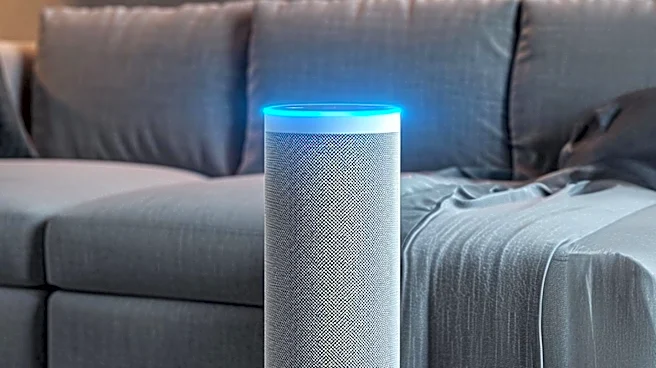
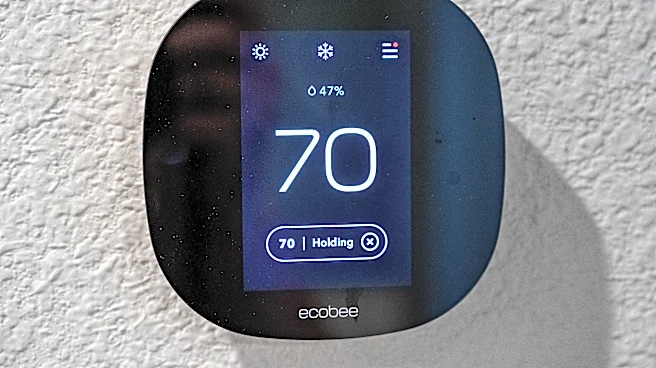
Smart home technology is rapidly evolving beyond basic smart speakers and thermostats, integrating into various aspects of household management, particularly in the realm of meal planning and grocery procurement. The industry is moving towards a future
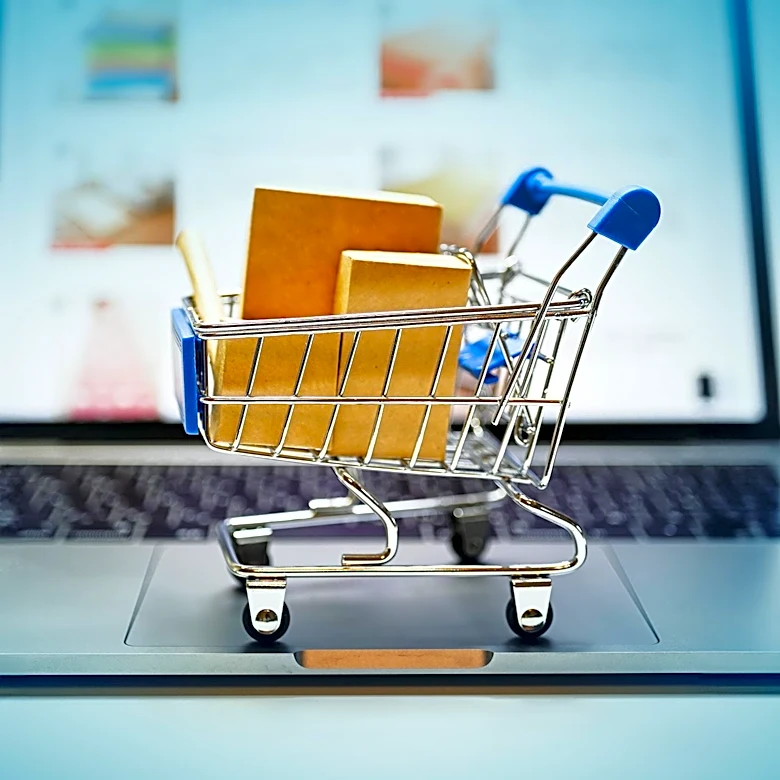
where smart devices can not only add items to a shopping list but also order groceries for delivery. This advancement is being driven by the increasing prevalence of smart refrigerators, sophisticated grocery delivery services, and the emergence of robotic delivery systems. Experts note that smart technology is now being incorporated into nearly every trade, from plumbers installing smart water valves to electricians working with connected lighting systems. A key challenge remains the interoperability of these devices, as many still require separate applications, leading to a fragmented user experience. Manufacturers are beginning to collaborate more closely to ensure their products are compatible, aiming for a fully integrated smart home ecosystem where all devices communicate seamlessly.
Why It's Important?
This shift in smart home technology holds significant implications for U.S. consumers and various industries. For consumers, it promises unprecedented convenience in managing household chores, particularly grocery shopping and meal preparation, potentially saving time and reducing mental load. For the retail sector, it signals a future where grocery shopping is increasingly automated and integrated into daily life, pushing traditional brick-and-mortar stores to adapt to new delivery and fulfillment models. The technology sector will see continued growth in smart appliance development and the creation of unified smart home platforms. Furthermore, the integration of smart technology across trades will require new skill sets for contractors and technicians, fostering innovation in construction and home services. The drive for interoperability is crucial, as a fragmented system could hinder widespread adoption and user satisfaction.
What's Next?
The immediate future will likely see continued efforts by manufacturers to enhance device compatibility and develop more unified smart home platforms. This will involve industry-wide standards and collaborations to ensure seamless communication between different brands and types of smart appliances. Consumers can expect to see more advanced smart refrigerators capable of inventory management and direct ordering, as well as an expansion of robotic delivery services in urban and suburban areas. The focus will also be on refining user interfaces to make complex smart home systems more intuitive and user-friendly. As these technologies mature, there may be increased regulatory scrutiny regarding data privacy and security, given the extensive personal information that integrated smart homes will collect and process.
Beyond the Headlines
The evolution of smart home technology towards automated grocery management and integrated systems raises deeper questions about lifestyle, consumer autonomy, and the future of domestic labor. While offering convenience, the increasing automation of tasks like grocery shopping could reduce human interaction with food selection and preparation, potentially impacting dietary choices and culinary skills. There are also ethical considerations regarding data collection and privacy, as smart homes gather extensive information about household habits and preferences. The reliance on automated systems could also create new vulnerabilities, such as system failures or cyber threats, which could disrupt essential household functions. Ultimately, the trajectory of smart home technology points towards a future where homes are not just living spaces but intelligent, interconnected entities that actively manage daily life, fundamentally altering the relationship between humans and their domestic environments.