




What's Happening?
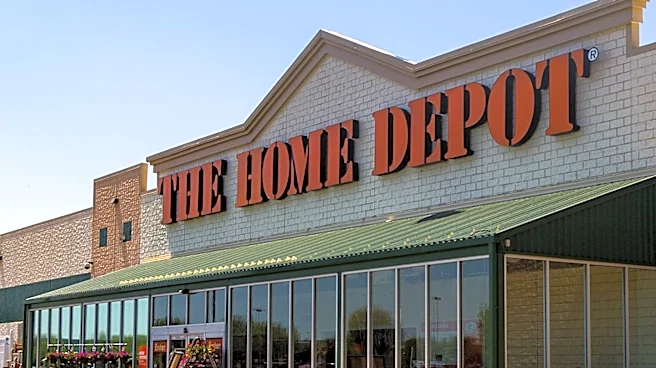
The Home Depot is promoting a wide array of smart home devices as ideal holiday gifts, catering to both new users and those looking to expand existing setups. The retailer highlights various products, including security cameras like the Ring Security
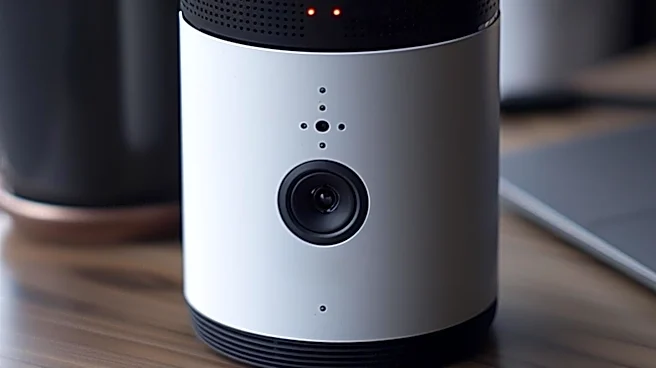
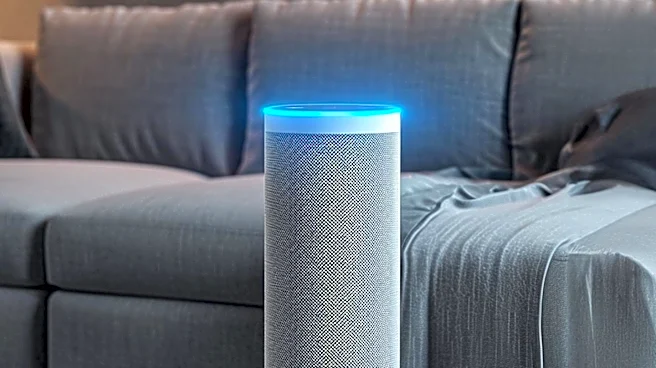
Camera Expansion Pack and Blink Outdoor 2K+ Battery Security Cameras, which offer features such as 2K video, live view, two-way talk, and long battery life. For central command, the Google Home Speaker, powered by Gemini, is presented as an excellent option for controlling lights, thermostats, and other connected devices with voice commands, and for creating multi-action routines. Smart lighting solutions include EcoSmart Smart LED Bulbs, which are Hubspace-powered, easy to set up without a hub, and offer tunable white and 16 million colors. Govee Outdoor 100ft Permanent String Lights are also featured for exterior smart lighting. The Wyze Cam Pan v4 provides 4K video with 360° pan and 180° tilt for wide area coverage. The Home Depot emphasizes its role as a one-stop shop, carrying top brands like Ring, Blink, Wyze, Google, and Govee, along with exclusives like EcoSmart's Hubspace bulbs, to facilitate building and personalizing smart homes.
Why It's Important?
The Home Depot's comprehensive offering of smart home gear for the holiday season is significant for the U.S. retail market and consumer adoption of smart technology. By positioning itself as a primary destination for smart home products, The Home Depot makes these technologies more accessible to a broad consumer base, from tech-savvy individuals to those just starting their smart home journey. The availability of diverse brands and product types under one roof simplifies the purchasing process, encouraging consumers to invest in connected home solutions. This strategy also helps drive the mainstream adoption of smart home devices by making them readily available alongside traditional home improvement items. The focus on gifting during the holidays can introduce new users to smart home technology, potentially leading to future purchases and ecosystem expansion. For the smart home industry, this broad retail presence helps to normalize and integrate these technologies into everyday life, moving them beyond niche markets.
What's Next?
As The Home Depot continues to promote smart home devices, it is likely to further solidify its position as a key retailer in this growing market. Consumers can expect to see continued expansion of product offerings, potentially including more Matter-compatible devices as the standard gains traction, simplifying integration across brands. The retailer may also enhance in-store displays and online resources to help customers understand and choose the right smart home solutions for their needs. The holiday season sales will provide valuable data on consumer preferences, which could influence future inventory and marketing strategies. The ongoing competition among retailers to capture the smart home market share will likely lead to more aggressive pricing, bundled deals, and enhanced customer support for these products. This trend suggests a future where smart home technology becomes an even more integral part of home improvement and everyday living, driven by accessible retail channels.
Beyond the Headlines
The Home Depot's strategic focus on smart home products reflects a broader societal shift towards increasingly automated and connected living spaces. This trend has implications beyond mere convenience, touching on aspects of home security, energy efficiency, and lifestyle management. The widespread availability of these devices through a trusted retailer like The Home Depot normalizes the concept of a 'smart home,' making it less of a luxury and more of an expected feature of modern living. This accessibility can also raise questions about digital literacy and equitable access, as not all demographics may have the resources or technical comfort to fully utilize these technologies. Furthermore, the integration of smart devices into homes creates new data streams, prompting ongoing discussions about privacy, data ownership, and cybersecurity. As smart homes become more prevalent, the infrastructure supporting them—from internet connectivity to power grids—will also need to evolve, highlighting the long-term societal and infrastructural impacts of this technological shift.