







What's Happening?
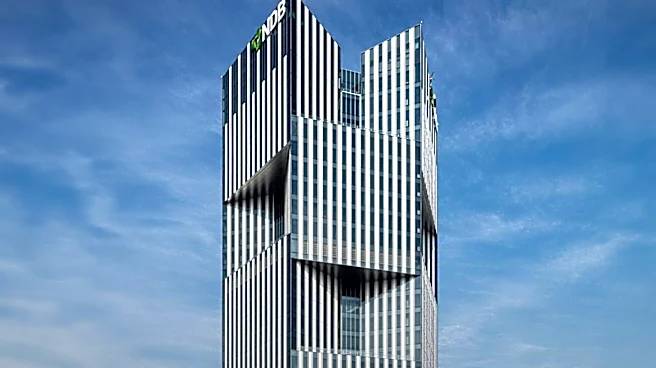
India and the New Development Bank (NDB) are actively exploring strategies to draw private capital into infrastructure and sustainable development projects across the BRICS nations. The NDB, established in 2015 by Brazil, Russia, India, China, and South
Africa, has made mobilizing private capital a key strategic priority. The bank has already demonstrated its capacity to raise significant funds, including US$1.25 billion through a bond issue and CNY 25 billion via panda bonds in 2025. These efforts align with India's BRICS Chairship priorities for 2026, which emphasize resilience, innovation, cooperation, and sustainable development. NDB President Dilma Rousseff highlighted the bank's crucial role in channeling private investment towards sustainable development, clean energy initiatives, and smart infrastructure projects within the member countries.
Why It's Important?
This collaboration is important because it addresses the substantial funding gap often present in large-scale infrastructure and sustainable development projects within emerging economies. By actively seeking to attract private capital, the NDB and India are working to accelerate economic growth and improve living standards across BRICS nations. Increased private investment can lead to more efficient project execution, foster innovation, and reduce the financial burden on public funds. For U.S. industries, this initiative could present both opportunities and challenges. While it might increase competition for global investment capital, it also signifies a growing market for advanced technologies and sustainable solutions, potentially opening doors for U.S. companies specializing in these areas. The success of these efforts could also influence global financial flows and investment patterns, impacting the broader international economic landscape.
What's Next?
The NDB is expected to continue its efforts in issuing bonds and engaging with private investors to secure funding for its project pipeline. Future steps will likely involve developing more innovative financial instruments and partnerships to make BRICS projects more attractive to private capital. India, in its role as BRICS Chair, will likely champion policies and frameworks that facilitate private sector participation in these development initiatives. This could include streamlining regulatory processes, offering incentives, and enhancing transparency to build investor confidence. The NDB's focus on clean energy and smart infrastructure suggests a continued emphasis on projects that align with global sustainability goals, potentially leading to more green bond issuances and partnerships with impact investors. The bank will also likely continue to expand its project portfolio, identifying new opportunities for private sector involvement across its member states.
Beyond the Headlines
Beyond the immediate financial implications, this initiative reflects a broader strategic shift among BRICS nations to strengthen their economic independence and influence on the global stage. By mobilizing private capital through institutions like the NDB, these countries are reducing their reliance on traditional Western-dominated financial institutions. This move could foster greater South-South cooperation and create alternative models for development finance. Ethically, the emphasis on sustainable development and clean energy projects underscores a commitment to addressing global challenges while pursuing economic growth. The success of these efforts could also serve as a blueprint for other emerging economies seeking to finance their development agendas, potentially reshaping the architecture of global development finance and investment in the long term. It also highlights the growing financial sophistication and ambition of the BRICS bloc.