






What's Happening?
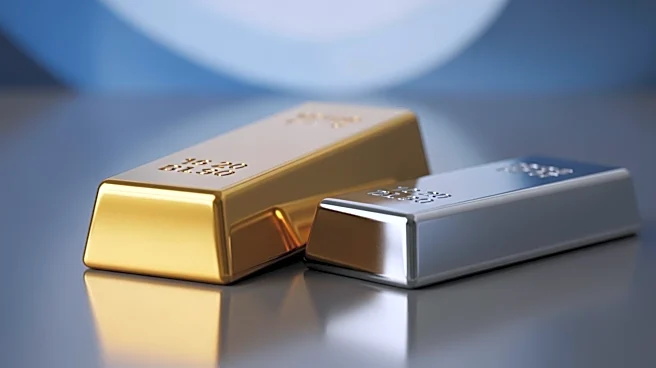
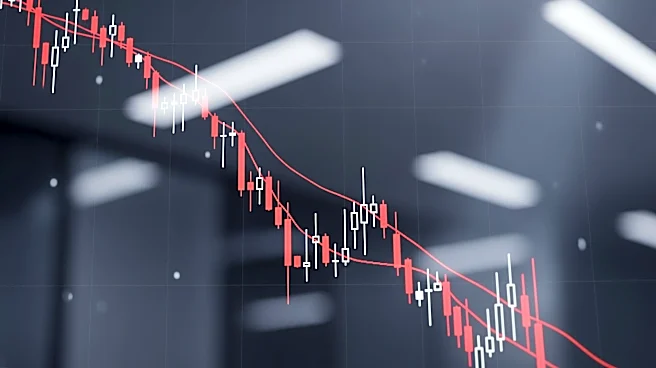
Gold and silver prices have dropped following the U.S. Federal Reserve's recent policy meeting, where the central bank signaled a 'higher-for-longer' interest rate path. Spot gold fell to approximately $4,214.20 per ounce, while silver decreased to $65.795.
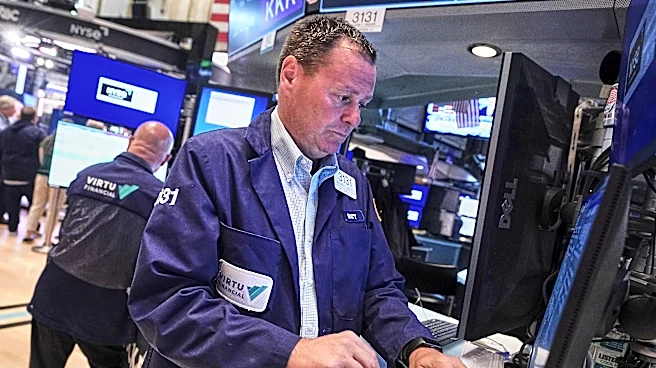
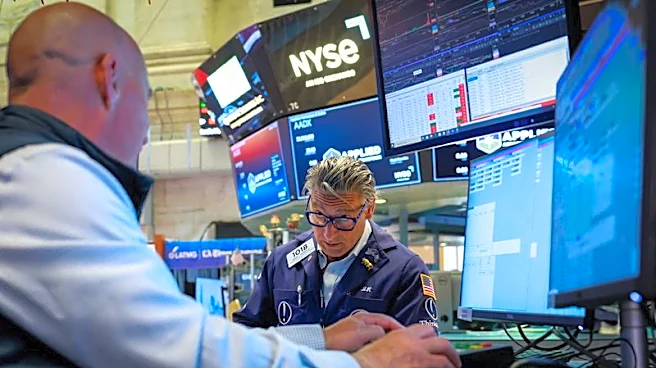
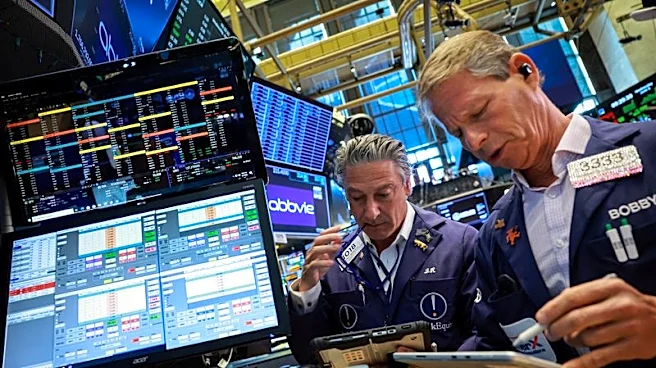
The U.S. dollar has reached yearly highs, contributing to the decline in precious metal prices. Despite the Fed keeping interest rates unchanged, the market reacted to the hawkish tone, leading to a selloff in metals. However, U.S. equities rebounded, with major indices like the S&P 500 and Nasdaq Composite posting gains.
Why It's Important?
The decline in gold and silver prices reflects the market's adjustment to the Federal Reserve's stance on interest rates, which impacts financial conditions and non-yielding assets like precious metals. The stronger dollar makes these metals more expensive for foreign investors, reducing demand. This development is significant for investors and industries reliant on metal prices, as it affects investment strategies and economic forecasts. The Fed's policy direction also influences broader economic conditions, including inflation and growth expectations.
What's Next?
Investors will continue to monitor the Federal Reserve's policy signals and their impact on the dollar and interest rates. The metals market may see further volatility as traders adjust to the Fed's guidance. Additionally, geopolitical factors, such as developments in the Strait of Hormuz, could influence market dynamics, affecting oil prices and, consequently, inflation and economic growth projections.