





What's Happening?
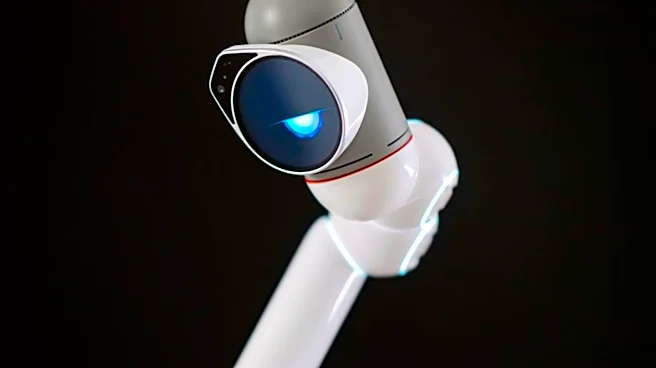
Apelie Robotics has developed AviSense, a mobile, autonomous robot designed to operate in broiler houses without human intervention. This robot, measuring 27.6 × 29.5 × 33.5 inches and weighing approximately 53 pounds, navigates programmable routes at speeds
up to 0.3 feet per second and can function for about 10 hours before recharging. AviSense is equipped with camera systems to monitor bird dispersion and movement, and sensors to collect real-time data on humidity, air temperature, and litter temperature at bird level. This data is transmitted to a storage site, allowing farm managers to access it via mobile phone or computer for precision poultry management. The robot aims to reduce the time needed for pre-placement checks, identify and correct temperature/ventilation issues, and improve overall house conditions and bird welfare. Field trials in the U.S. and Canada have shown promising results in reducing labor and providing economic benefits to growers and integrators.
Why It's Important?
The introduction of autonomous robots like AviSense is significant for the U.S. poultry industry, which faces increasing challenges related to labor shortages and the need for improved production efficiency. Poor poultry management practices, often stemming from insufficient labor, can lead to economic losses for growers. By providing real-time data and automating monitoring tasks, AviSense can help farm managers optimize environmental conditions, potentially leading to better bird health, reduced mortality, and improved feed conversion ratios. This technology can strengthen the profitability of poultry farms by increasing bodyweight uniformity and decreasing rejection rates, thereby maximizing saleable meat pounds. The economic benefits extend to both growers, through reduced costs and increased pay, and integrators, who can see lower production costs and improved margins from more live weight delivered to processing plants. This innovation addresses a critical need for technological solutions to enhance operational efficiency and sustainability in a vital agricultural sector.
What's Next?
Further field trials are currently underway in the U.S. and Europe to more comprehensively define the benefits of using AviSense robots, particularly concerning improvements in condemnations, bodyweights, feed conversion, and bird welfare. These ongoing trials will continue to refine the understanding of how robots can enhance commercial poultry production. The developers anticipate further improvements to the robots themselves, which will likely lead to even greater efficiencies and economic returns. As the technology matures and its benefits are more widely demonstrated, there is a strong potential for increased adoption of autonomous robotics in broiler operations across the U.S. This could lead to a broader transformation in poultry farming practices, with a greater reliance on automated systems for data collection, environmental control, and bird management, ultimately aiming for more sustainable and profitable operations.
Beyond the Headlines
The integration of robotics into poultry farming, exemplified by AviSense, represents a broader trend of automation in agriculture, which carries significant implications beyond immediate economic gains. Ethically, the use of robots to monitor bird welfare could lead to more consistent and objective assessments of animal living conditions, potentially improving standards across the industry. The real-time data collection capabilities could also foster greater transparency in farming practices. Legally, the deployment of autonomous systems in agricultural settings may necessitate new regulations concerning data privacy, operational safety, and liability in case of system malfunctions. Culturally, the shift towards automated farming could alter the traditional roles of agricultural labor, requiring new skill sets for farm workers focused on technology management and data analysis rather than manual tasks. This technological evolution could also contribute to long-term shifts in food production, making it more data-driven and potentially more resilient to labor market fluctuations and environmental challenges.