
What's Happening?
Comedian Tommy Davidson is starring in a new multicamera situation comedy, 'The Varnell Hill Show,' which premiered on Paramount+. The series revives Davidson's character, Varnell Hill, from a two-episode
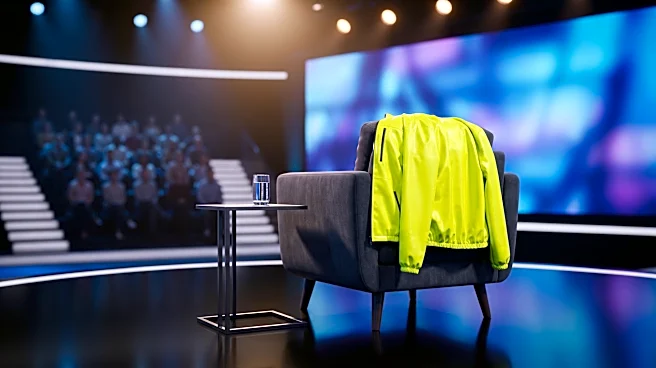
arc on Martin Lawrence's 1990s Fox sitcom, 'Martin.' In the original 'Martin' episodes, Varnell Hill was an egotistical talk show host, a character Davidson portrayed wearing a distinctive neon yellow jacket and orange shirt. The new series picks up three decades later, with Varnell's show now on Mammoth Television, where its future is uncertain. He is surprised by a new executive producer, Rachel (Wendy Raquel Robinson), who begins to dismantle his set and remake his wardrobe, aiming to modernize the show. Rachel's objective, unbeknownst to her, is to annoy Varnell into quitting, a directive from interim CEO Jonah (Nick Cafero). The show explores the generational clash between Varnell and the younger characters, including a new, younger executive producer and a hot young comic, Marshay (Brittney Ayona Clemons), who is being introduced to boost youth appeal. The series also features appearances by Kym Whitley as Varnell's right hand, Gus (Oscar Miranda) as an excitable production assistant, and Doug E. Fresh as the announcer.
Why It's Important?
The return of 'The Varnell Hill Show' character highlights a growing trend in the entertainment industry where streaming networks are leveraging established intellectual property and nostalgic characters to attract audiences. This strategy aims to capitalize on existing fan bases from popular 20th-century network television shows, providing a sense of familiarity and continuity for viewers. For Paramount+, this move represents an attempt to colonize the multicamera sitcom format, traditionally a staple of broadcast television, by offering shorter seasons and more mature language. The show's premise, focusing on the clash between an older, established personality and younger, data-driven executives, reflects broader industry discussions about adapting to changing audience demographics and media consumption habits. The series also provides a platform for veteran comedians like Tommy Davidson to continue their careers while introducing new talent, contributing to the diversity of content available on streaming platforms. The show's success could influence future decisions by streaming services to invest in similar revivals of beloved characters and formats.
What's Next?
The series will continue to explore the dynamic between Varnell Hill and his new executive producer, Rachel, as she attempts to modernize his show and, ultimately, drive him to quit. The ongoing conflict between Varnell's old-school approach and Rachel's data-driven strategies will likely form the core of the comedy. Viewers can anticipate further generational clashes within the writers' room and the introduction of more guest stars, as seen with the planned roast of Varnell featuring comedians like Deon Cole, Ms. Pat, Lavell Crawford, and Mike Epps. The show's performance on Paramount+ will be a key indicator for the network regarding the viability of reviving classic television characters and formats for a streaming audience. Depending on its reception, 'The Varnell Hill Show' could pave the way for additional seasons or inspire other streaming platforms to delve into their own archives for similar projects. The series also offers a glimpse into the evolving landscape of television production, where streaming services are increasingly becoming a home for diverse comedic voices and formats.
Beyond the Headlines
The revival of 'The Varnell Hill Show' touches upon deeper cultural and industry shifts. It underscores the power of nostalgia in contemporary entertainment, where audiences often seek comfort and familiarity in reboots and continuations of beloved stories and characters. This trend reflects a broader societal inclination to revisit past cultural touchstones, especially in times of rapid change. Furthermore, the show's narrative, centered on an aging personality grappling with modernization and data-driven decisions, mirrors the challenges faced by many established industries and individuals in adapting to the digital age. It subtly critiques the often-impersonal nature of analytics in creative fields, highlighting the tension between artistic integrity and commercial viability. The series also provides a commentary on the evolution of comedy itself, showcasing how humor and comedic sensibilities have changed over the decades, while also demonstrating the enduring appeal of certain comedic archetypes. The show's exploration of ageism and the struggle for relevance in a youth-obsessed culture offers a relatable and often humorous reflection on the human experience.