






What's Happening?
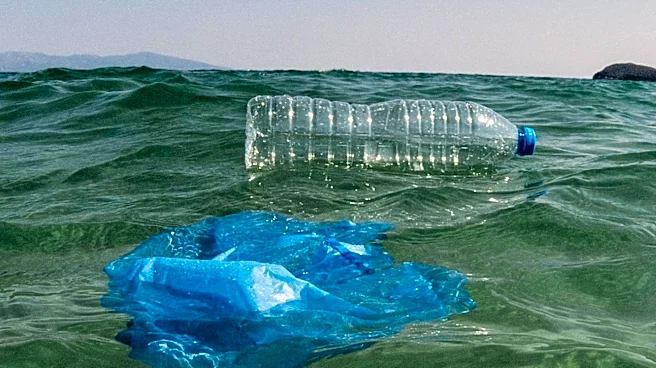
Endangered Species Chocolate has become the first chocolate brand to achieve Ocean Plastic Neutral status. This certification signifies the company's commitment to addressing plastic waste in marine environments. In addition to this environmental milestone,
the brand donates 10% of its annual net profits to wildlife and habitat conservation efforts. The company sources its cocoa from small, family-owned cooperatives in West Africa, which, while not always USDA Organic certified due to resource limitations, are part of a broader ethical sourcing strategy. Endangered Species Chocolate is also Fairtrade certified across its cocoa sourcing, with some products holding Rainforest Alliance certification. The CEO emphasizes Fairtrade as crucial for responsible scaling.
Why It's Important?
The achievement of Ocean Plastic Neutral status by Endangered Species Chocolate sets a precedent within the food industry, particularly for brands reliant on global supply chains. This move highlights a growing consumer demand for products that not only meet ethical sourcing standards but also actively mitigate their environmental footprint, especially concerning plastic pollution. For the U.S. market, this could influence other companies to adopt similar sustainability initiatives, potentially driving innovation in packaging and waste management. The brand's dedication to donating a significant portion of its profits to wildlife conservation further underscores the increasing importance of corporate social responsibility, appealing to environmentally conscious consumers and potentially impacting purchasing decisions. This trend could lead to a competitive advantage for companies that integrate robust environmental and social governance (ESG) practices into their core business models.
What's Next?
Endangered Species Chocolate is expected to continue its efforts in ethical sourcing and environmental stewardship, potentially inspiring other chocolate manufacturers and food brands to pursue similar certifications and conservation initiatives. The company's model of supporting small, family-owned cooperatives, even without formal USDA Organic certification, may prompt discussions within the industry about alternative verification methods for ethical sourcing that accommodate smaller producers. As consumer awareness of plastic pollution and ethical consumption grows, the brand's Ocean Plastic Neutral status could become a key differentiator in the competitive U.S. chocolate market. Future developments might include expanded conservation partnerships or further innovations in sustainable packaging to maintain its leadership in environmental responsibility.
Beyond the Headlines
The Ocean Plastic Neutral status of Endangered Species Chocolate reflects a broader shift in corporate accountability, moving beyond traditional ethical sourcing to encompass the entire lifecycle impact of products. This initiative highlights the complex challenges of global supply chains, where environmental and social responsibilities intersect. The brand's approach to sourcing from cooperatives that may lack formal organic certification, yet are ethically sound, challenges conventional notions of 'organic' and 'ethical' labels, suggesting a need for more nuanced evaluation of sustainability claims. This could lead to a re-evaluation of certification standards and a greater emphasis on direct impact and transparency in the U.S. market. Ultimately, this trend could foster a more holistic understanding of sustainability, encouraging consumers and businesses to consider the full spectrum of environmental and social impacts.