







What's Happening?
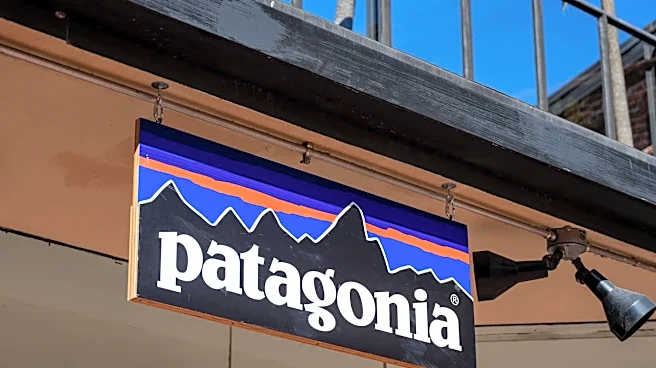
Patagonia, the outdoor clothing brand, has initiated a lawsuit against environmental activist and drag queen Pattie Gonia, whose real name is Wyn Wiley. The lawsuit, filed after Pattie Gonia sought to trademark her brand in 2025, alleges trademark infringement
and dilution. Patagonia claims that Pattie Gonia's merchandise, particularly items featuring the brand's P-6 logo, infringes on their trademark. Pattie Gonia, who has raised over $3.7 million for environmental and queer rights causes since 2018, argues that her name is derived from the South American mountain range, not the clothing brand, and that any use of the logo was fan-made parody, not sold merchandise. The case will likely be assessed under the Likelihood of Confusion Test, which considers thirteen factors to determine trademark infringement. Some factors, such as Patagonia's long-standing fame, support the brand's claim, while others, like Pattie Gonia's assertion that she never sold merchandise with the logo, support her defense. The lawsuit highlights a conflict between two entities both deeply involved in environmental activism.
Why It's Important?
This lawsuit is significant as it pits a prominent environmental clothing brand against a successful environmental activist, raising questions about the priorities of corporate activism. Patagonia, which restructured in 2022 to become a trust and nonprofit dedicated to environmental justice, has stated that 'Earth is our only shareholder.' This legal action, therefore, prompts scrutiny into whether pursuing a trademark claim against another environmental advocate aligns with its stated mission. The case could set a precedent for how established brands interact with grassroots movements and individual activists, especially when both share similar values and goals. It also underscores the complexities of trademark law in the digital age, where fan-made content and social media influence can blur the lines of commercial use and parody. The outcome could impact how other brands approach protecting their intellectual property in an increasingly interconnected and socially conscious marketplace, potentially influencing the balance between brand protection and collaborative activism.
What's Next?
The legal proceedings will likely involve extensive evidence presentation and legal fees as the court applies the Likelihood of Confusion Test. Both parties will need to present compelling arguments regarding consumer perception and the nature of the alleged infringement. Patagonia will aim to demonstrate actual or potential consumer confusion, citing instances where social media users believed Pattie Gonia's work was associated with the brand. Conversely, Pattie Gonia will emphasize the parody aspect of her work and the lack of commercial intent behind the specific logo use. The case could either proceed to a full trial, leading to a judicial decision, or the parties might opt for a settlement to avoid prolonged litigation and associated costs. The decision will have implications for both Patagonia's brand protection strategy and Pattie Gonia's ability to continue her activism under her chosen persona, potentially influencing future collaborations or conflicts between corporate entities and individual activists.
Beyond the Headlines
Beyond the immediate legal battle, this case delves into deeper ethical and cultural dimensions. It raises questions about the authenticity of corporate environmentalism when it conflicts with individual activism. Patagonia's decision to sue an environmental ally, despite its own stated commitment to the planet, could be perceived as prioritizing brand image over collective environmental action. This situation also highlights the evolving role of drag as a form of social commentary and activism, and how traditional legal frameworks for intellectual property grapple with parody and artistic expression. The lawsuit could spark broader discussions within the environmental movement about internal conflicts and the most effective strategies for achieving shared goals. It also underscores the potential for 'greenwashing' accusations if a company's actions appear to contradict its public-facing environmental mission, potentially impacting consumer trust and brand loyalty in the long term.