


What's Happening?
Carlie Irsay-Gordon, who assumed lead franchise control of the Indianapolis Colts after her father Jim Irsay's passing in 2025, has adopted an unconventional game-day routine that has sparked debate across the NFL. She is reportedly the only NFL owner
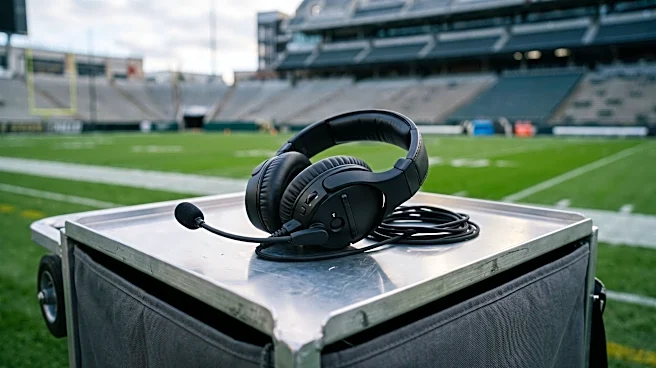
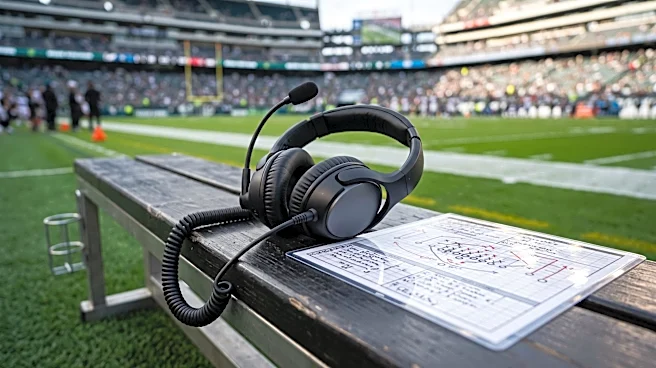
to patrol the sidelines during games, actively listening to coaching staff communications via a headset, carrying a laminated play-call sheet, and taking notes. This hands-on approach has drawn comparisons to former Las Vegas Raiders owner Al Davis, known for his deep involvement in football decisions. NFL legend Jim McMahon criticized Irsay-Gordon's sideline presence as 'ridiculous,' suggesting owners should not be involved during games. Sportscaster Stephen A. Smith also questioned her actions, asking what tangible changes she was making given the team's performance. Irsay-Gordon has stated her intention is to understand the game better and facilitate informed decision-making, emphasizing listening as a key leadership trait. Despite the criticism, she has already made significant moves, including firing General Manager Chris Ballard on October 19, 2026, and authorizing interim executive Ed Dodds to initiate a roster overhaul ahead of the trade deadline.
Why It's Important?
Irsay-Gordon's unique ownership style is significant as it challenges traditional NFL owner roles and raises questions about the boundaries between ownership and coaching/management. Her direct involvement on the sidelines could influence team dynamics, potentially impacting coaching autonomy and player perception. The comparison to Al Davis highlights the potential for an owner's deep involvement to lead to both success and conflict within an organization. Her recent decisive actions, such as firing the general manager and initiating a roster rebuild, demonstrate a willingness to exert direct control and make significant changes. This signals a new era for the Colts, where ownership is visibly and actively engaged in day-to-day football operations. The scrutiny from prominent NFL figures like Jim McMahon and Stephen A. Smith underscores the broader league's interest in how this leadership model will affect team performance and organizational stability, potentially setting a precedent for future ownership styles or sparking further debate on owner involvement.
What's Next?
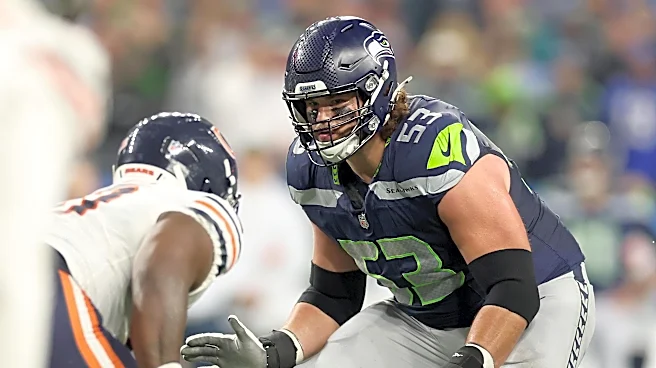
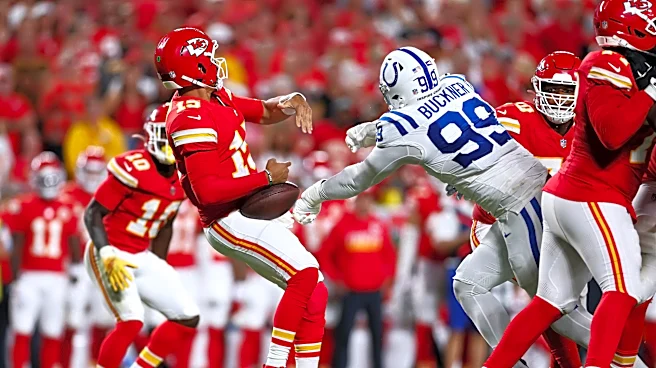
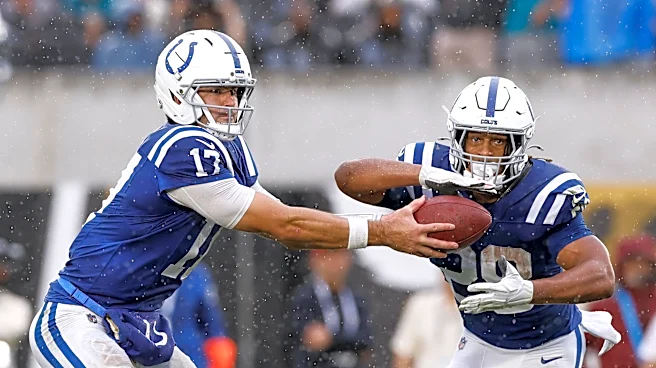
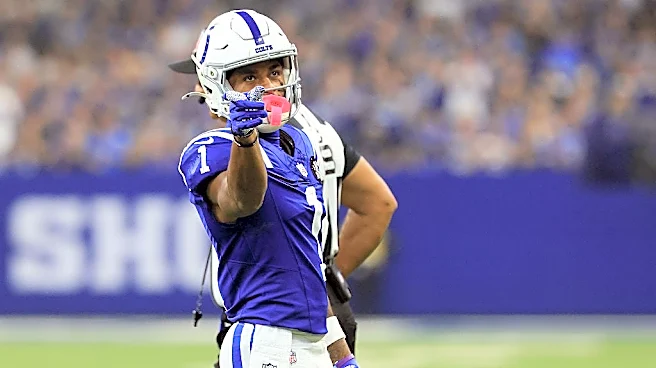
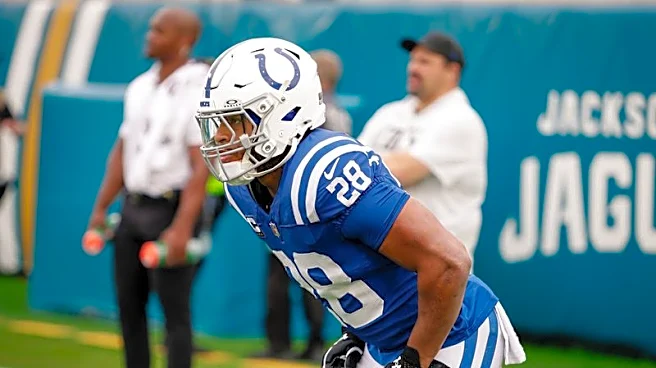
As the NFL trade deadline approaches, Carlie Irsay-Gordon's immediate focus will be on the ongoing roster overhaul initiated by interim General Manager Ed Dodds. The Colts have already traded key players like Quenton Nelson and DeForest Buckner, and further moves are anticipated. A major decision Irsay-Gordon is currently evaluating is the future of head coach Shane Steichen, especially given the team's 2-6 record in the 2026 season. Her continued presence on the sidelines will likely remain a point of discussion, with observers watching to see if her direct involvement translates into improved team performance or further internal friction. The search for a new permanent general manager will also be a critical next step, as this individual will play a crucial role in shaping the team's long-term direction under Irsay-Gordon's leadership. The outcome of these decisions will significantly impact the Colts' trajectory and could either validate or further challenge Irsay-Gordon's unconventional approach to ownership.
Beyond the Headlines
Beyond the immediate team performance, Carlie Irsay-Gordon's leadership style could spark a broader conversation within the NFL about the evolving role of franchise owners. Her hands-on approach, while drawing criticism, also reflects a desire for direct understanding and accountability, which could be seen as a modern take on ownership in an increasingly complex sports business. This could lead to discussions about whether traditional ownership models are sufficient in today's competitive environment or if more direct engagement is necessary. Ethically, questions may arise regarding the potential for an owner's sideline presence to create undue pressure on coaching staff or interfere with their autonomy. Legally, while owners have ultimate authority, the practical implications of such direct involvement on contractual agreements with coaches and general managers could be explored. Culturally, her actions challenge the established norms of NFL ownership, potentially influencing how future owners perceive their roles and responsibilities within their organizations.