


What's Happening?
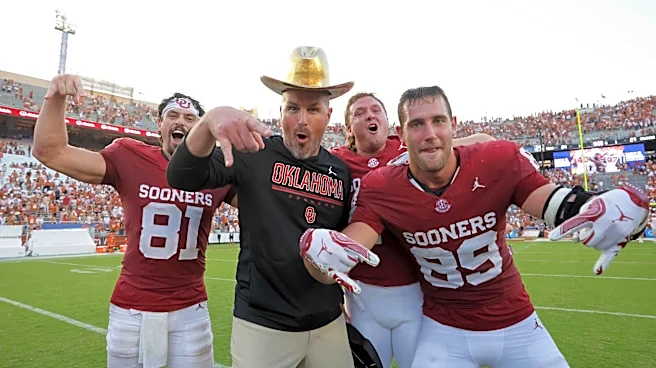
The announcer schedule and pairings for Week 11 of the 2026 college football season have been released, detailing the broadcast teams for numerous games across various networks. This week features a busy slate, including five ranked-versus-ranked matchups.
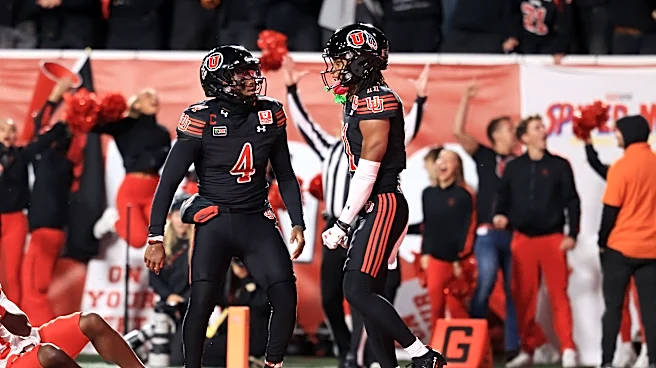
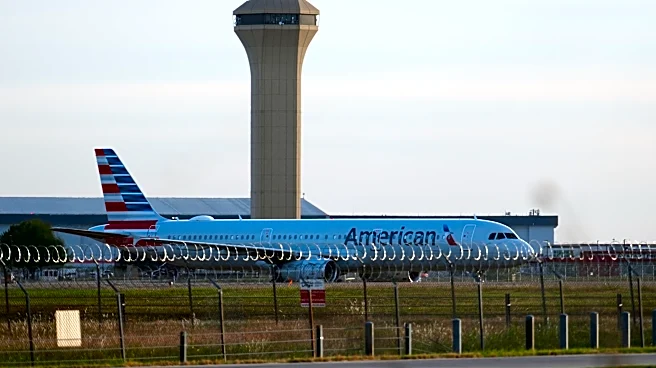
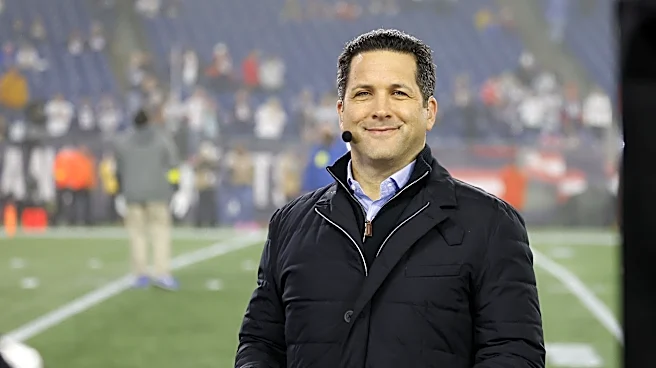
Notably, the No. 6 Texas at No. 21 LSU game will be called by Chris Fowler and Kirk Herbstreit, with Holly Rowe reporting from the sideline. Another significant game, No. 2 Utah at No. 23 Arizona, will feature Gus Johnson and Joel Klatt in the booth. The release of this schedule comes after some travel plans for teams were altered due to an unprecedented national ground stop by the Federal Aviation Administration (FAA), which caused delays. Despite these disruptions, most games are expected to proceed as planned, though some networks have backup crews on standby in case scheduled broadcasters are unable to reach their assignments on time. The FAA system outage, which occurred on January 11, 2023, impacted airline traffic across the nation, highlighting potential logistical challenges for large-scale events like college football broadcasts.
Why It's Important?
The detailed release of the college football announcer schedule is crucial for fans, broadcasters, and the sports media industry. For fans, knowing who will be calling their favorite team's game significantly enhances their viewing experience, as announcers often contribute to the narrative and excitement of a match. For networks, ensuring a robust and reliable broadcast team is essential for maintaining viewership and advertising revenue, especially for high-profile matchups. The mention of FAA delays and the need for backup crews underscores the logistical complexities involved in sports broadcasting, particularly when national infrastructure issues arise. Such disruptions can lead to increased operational costs and potential compromises in broadcast quality if primary teams cannot reach their locations. This situation highlights the interconnectedness of various sectors, where an issue in air travel can directly impact the delivery of live sports content, a significant part of the U.S. entertainment and sports economy. The ability of networks to adapt and have contingency plans in place is vital for the continuity of live sports programming.
What's Next?
As Week 11 of the 2026 college football season progresses, the focus will be on the execution of the scheduled broadcasts and the performance of the announced commentator teams. Networks will closely monitor any lingering travel issues or unforeseen circumstances that could affect their ability to deliver seamless coverage. The experience gained from navigating the recent FAA ground stop will likely inform future contingency planning for major sports events, potentially leading to more robust backup systems or alternative travel arrangements for broadcast personnel. For college football fans, the immediate next step is to tune in to their preferred games, with the knowledge of who will be providing the play-by-play and analysis. The outcomes of the five ranked-versus-ranked matchups will also be a key point of interest, shaping the national championship picture and impacting team standings. The successful delivery of these broadcasts, despite prior travel disruptions, will serve as a testament to the adaptability of the sports broadcasting industry.
Beyond the Headlines
The logistical challenges faced by college football broadcasters due to the FAA ground stop reveal a broader vulnerability in large-scale event planning and execution. While the immediate concern is sports coverage, similar disruptions could impact other industries reliant on timely travel and coordination, such as business conferences, entertainment tours, or critical supply chains. This incident could prompt a re-evaluation of contingency plans across various sectors, emphasizing the need for resilience against unexpected infrastructure failures. Furthermore, the role of announcers in shaping the fan experience highlights the human element in sports consumption; their voices and insights are integral to how audiences engage with games. The potential for their absence due to travel issues underscores the irreplaceable value of skilled personnel in live media. This situation also subtly points to the increasing reliance on complex technological and logistical systems for seemingly simple activities like watching a football game, making any disruption in these systems a significant event.