


What's Happening?
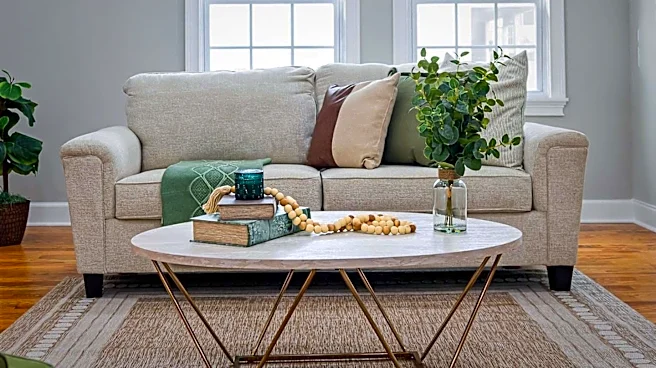
Grandmillennial style, an interior design trend, is gaining significant traction, characterized by a deliberate blend of vintage and modern elements. This aesthetic moves away from minimalist or overly themed spaces, aiming to create warm, character-filled
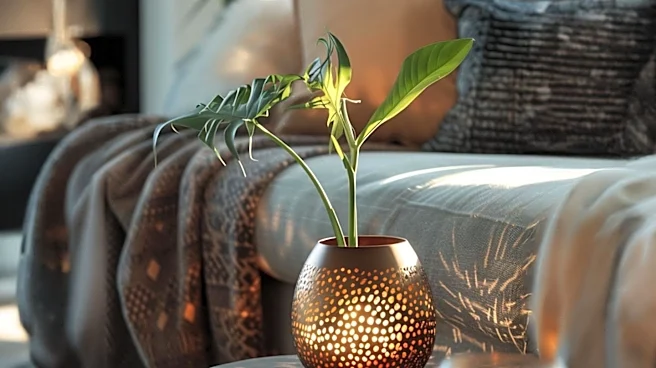
environments. Key components include the use of patterns, vintage-inspired furniture, layered textiles, warm color palettes, and a modern balance to prevent spaces from appearing dated. The style encourages homeowners to incorporate meaningful antique items, but with an editorial eye and restraint, ensuring the room feels fresh and inviting rather than cluttered or stuffy. It is seen as a response to a desire for more personalized and less sterile living spaces, mixing old with new intentionally.
Why It's Important?
The resurgence of Grandmillennial style reflects a broader shift in consumer preferences within the U.S. interior design market. This trend indicates a growing demand for personalized, comfortable, and character-rich home environments, moving away from the stark minimalism that has dominated for years. For retailers and designers, this means an increased focus on sourcing and marketing vintage-inspired pieces, textiles, and warm-toned decor. It also highlights an opportunity for businesses specializing in antique restoration or custom textile design. Homeowners are increasingly seeking ways to integrate sentimental items into their decor, suggesting a market for services that help curate and balance traditional and contemporary elements. This trend could influence manufacturing towards more classic designs and durable, quality materials, impacting supply chains and product development in the home goods sector.
What's Next?
As Grandmillennial style continues to gain popularity, consumers can expect to see more accessible options for incorporating this aesthetic into their homes. Retailers are likely to expand their offerings of vintage-inspired furniture, patterned textiles, and warm-toned decor. Interior designers may increasingly specialize in this 'neo-traditional' approach, offering services that help clients blend inherited pieces with modern elements. There may also be a rise in workshops or online resources dedicated to teaching homeowners how to curate their spaces in a Grandmillennial fashion, focusing on principles of restraint and balance. The trend's emphasis on sustainability through reusing antique items could also lead to increased interest in second-hand markets and upcycling initiatives.
Beyond the Headlines
The Grandmillennial trend signifies more than just a design preference; it reflects a cultural yearning for comfort, nostalgia, and authenticity in an increasingly digital and fast-paced world. By embracing 'granny chic,' individuals are not only decorating their homes but also creating spaces that tell a story and evoke a sense of history and personal connection. This movement challenges the notion that modern living must be devoid of tradition, instead advocating for a harmonious coexistence of past and present. It also subtly promotes sustainable consumption by encouraging the reuse of existing furniture and decor, potentially influencing a broader shift towards more mindful and less disposable interior design practices. The style's emphasis on warmth and character can also be seen as a psychological comfort, providing a cozy retreat from external pressures.