



What's Happening?
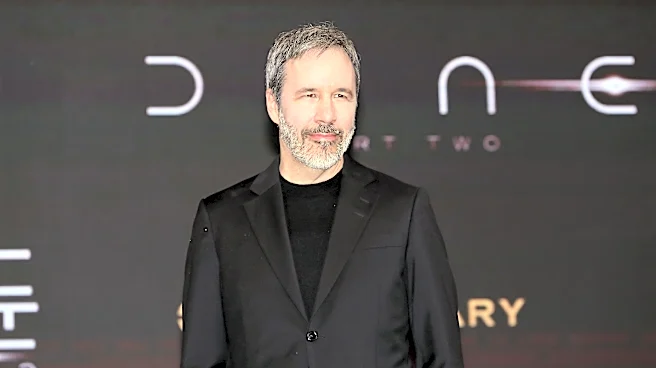
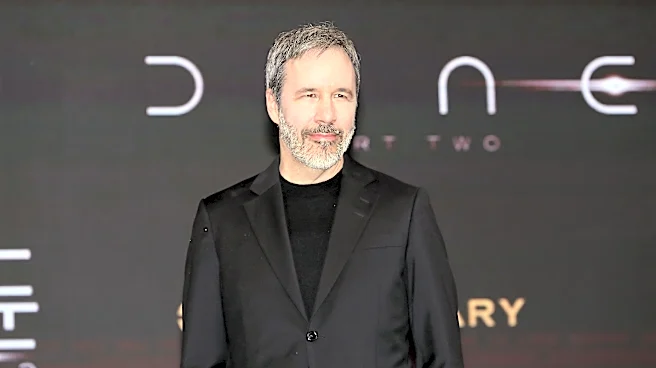
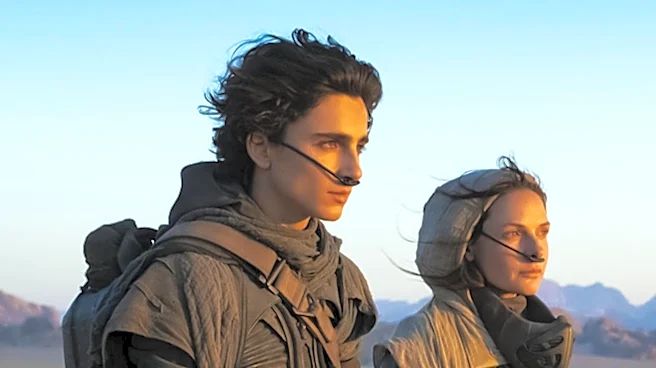
Filmmaker Denis Villeneuve has clarified why the upcoming film, adapting Frank Herbert's 'Dune Messiah,' is titled 'Dune: Part Three' instead of 'Dune Messiah.' According to Dark Horizons, Villeneuve explained that the decision stems from the significant
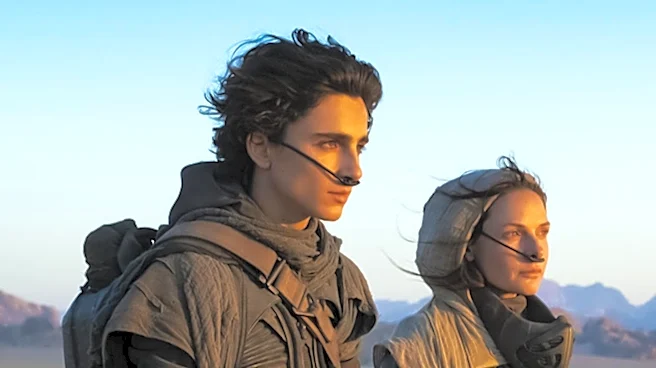
liberties taken in adapting the source material. He described 'Dune Messiah' as a 'chamber piece,' primarily featuring characters talking in rooms, and a 'complex, paranoid, and depressing book' that was not well-received by original 'Dune' readers. Villeneuve felt it would be 'dishonest' to use the original title given the extent of the adaptation. He also highlighted a major change in the character of Chani (Zendaya), who, in the film, will be a stronger critic of Paul's choices and regime, a departure from her more loyal portrayal in the books. Villeneuve emphasized that his adaptation aims to fulfill Herbert's original intent of creating a warning against messianic figures.
Why It's Important?
This strategic decision by Denis Villeneuve to rename and significantly adapt 'Dune Messiah' for 'Dune: Part Three' holds considerable importance for the U.S. film industry and the broader landscape of literary adaptations. By taking creative liberties, Villeneuve aims to make the film more cinematic and resonant with contemporary audiences, potentially expanding the franchise's appeal beyond dedicated book fans. This approach could set a precedent for how complex and less cinematic literary works are brought to the screen, balancing fidelity to the source material with the demands of a visual medium. The altered portrayal of Chani, transforming her into a more active and critical character, reflects a modern sensibility in character development, which could be seen as a positive evolution by many viewers, while potentially challenging purist fans of the original novels. This also impacts the commercial viability of the film, as a more accessible and dynamic narrative could lead to greater box office success.
What's Next?
The release of 'Dune: Part Three' on December 18th will reveal how audiences and critics react to Villeneuve's significant departures from the 'Dune Messiah' novel. The film's reception will be a key indicator of the success of his adaptational strategy. If successful, it could encourage other filmmakers to take similar creative risks when adapting challenging literary works, prioritizing cinematic storytelling over strict adherence to the source. Conversely, a negative reception from book purists could spark further debate about the balance between adaptation and interpretation. The film's performance will also influence the potential for future installments in the 'Dune' cinematic universe, as Villeneuve has expressed a long-standing vision for the character of Paul, culminating in a specific image he has held for years. The evolution of Chani's character will also be a point of discussion, potentially influencing future portrayals of female characters in sci-fi adaptations.
Beyond the Headlines
Villeneuve's philosophy, 'When you adapt, you kill. It is not the book. It is my movie inspired by the book, with tremendous respect,' speaks to a fundamental tension in the art of adaptation. This statement highlights the inherent challenge of translating one medium to another, particularly when dealing with beloved and complex literary works. The decision to make Chani a critic of Paul's regime, rather than a passive supporter, also reflects a deeper cultural shift towards re-evaluating traditional narratives and empowering female characters. This reinterpretation can spark discussions about the role of adaptation in recontextualizing classic stories for new generations, addressing themes like religious colonization and messianic figures with a contemporary lens. The film's approach could contribute to a broader conversation about artistic license versus textual fidelity in popular culture.