





What's Happening?
David Sacks, a prominent venture capitalist and co-host of the All-In podcast, has issued a warning regarding the future of the AI data center boom in the United States. Speaking on a recent episode of the podcast, Sacks predicted that the pipeline for
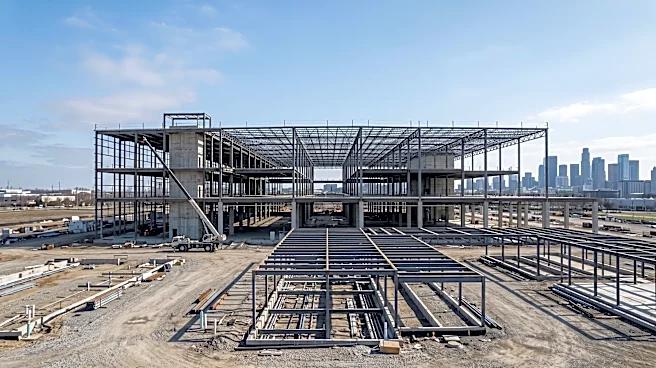
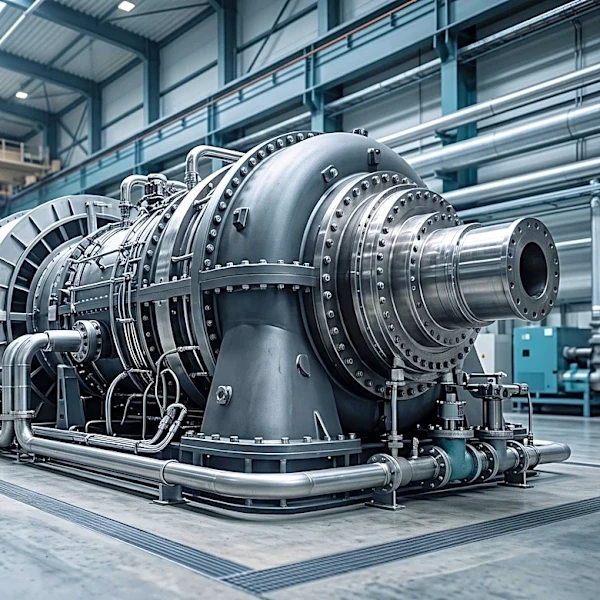
new AI data centers could significantly shrink or even close by 2028. His primary concern stems from potential permitting issues, suggesting that large-scale investments, such as a $50 billion data center, are vulnerable to being halted mid-construction by worker strikes, community opposition, or regulatory injunctions. Sacks indicated that governors in key data center states are considering moratoriums until specific conditions are met, creating an environment of uncertainty that deters major investments. This potential freeze in construction could impact the entire supply chain, from chip manufacturers like NVIDIA and Broadcom to networking and cooling solution providers.
Why It's Important?
The potential slowdown in AI data center construction poses a significant threat to the U.S. technology and economic landscape. The AI industry relies heavily on these data centers for processing power, and a halt in their development could impede innovation and growth. Companies like NVIDIA, which reported a 117% increase in Data Center revenue, and Broadcom, projecting $230 billion in AI semiconductor revenue by 2028, have based their growth forecasts on continued expansion. If data center construction stalls, orders for chips, networking equipment, and cooling systems would inevitably decline, impacting the financial performance of these tech giants and their investors. Furthermore, the issue highlights a growing tension between rapid technological advancement and local regulatory and community concerns, potentially leading to increased scrutiny and stricter environmental or labor requirements for large infrastructure projects.
What's Next?
The immediate future will likely see increased attention on state-level policy decisions regarding data center permitting. Investors will be closely monitoring whether proposed moratoriums in major data center states translate into enacted regulations or are modified/dropped. Key indicators to watch include NVIDIA's upcoming earnings results against its projected revenue, Broadcom's Q4 AI revenue, and Vertiv's order rates, as customer orders for data center infrastructure typically precede construction by 12 to 18 months. Additionally, the performance of data center Real Estate Investment Trusts (REITs) like Equinix and Digital Realty, particularly their pre-leasing rates and pricing, will offer insights into the scarcity of existing, permitted data center capacity. A tightening of permitting could benefit companies that already own operational and permitted sites, as demand would shift towards existing infrastructure.
Beyond the Headlines
This situation underscores a broader challenge in balancing technological progress with environmental and social considerations. The rapid expansion of AI data centers, while crucial for innovation, consumes vast amounts of energy and water, and can face local opposition due to noise, visual impact, and resource strain. The concerns raised by David Sacks suggest that the 'move fast and break things' ethos of the tech industry is increasingly clashing with the realities of infrastructure development and community engagement. This could lead to a re-evaluation of how large-scale tech infrastructure projects are planned and executed, potentially favoring more sustainable and community-integrated approaches. The debate also highlights the complex interplay between venture capital, government regulation, and public sentiment in shaping the future of critical technologies.