


What's Happening?
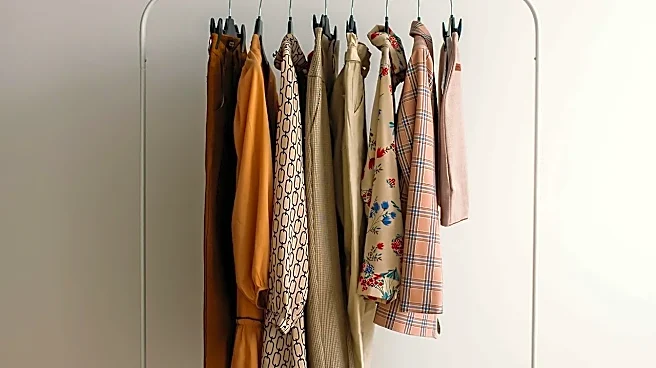
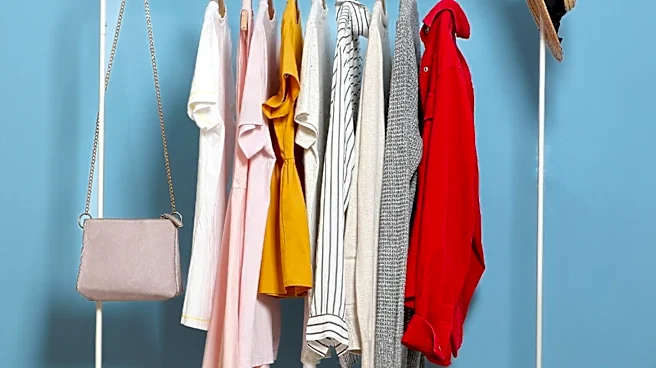
A capsule wardrobe is defined as a curated collection of essential clothing pieces designed to be versatile and interchangeable, allowing for the creation of numerous outfits. The core principle is compatibility, where each item can be worn with several
others and suits real-life activities such as office work, commuting, meetings, or leisure. While a minimalist wardrobe primarily focuses on reducing quantity, a capsule wardrobe prioritizes how pieces work together, even if the final selection isn't extremely small. It can be colorful, feminine, classic, or creative, with common base colors like navy, gray, brown, camel, cream, and black, though these are not mandatory. The number of items in a capsule wardrobe varies based on climate, profession, laundry frequency, need for variety, and personal style, with a seasonal capsule often starting from 20-30 pieces, excluding underwear, sportswear, and strictly functional clothes.
Why It's Important?
The growing popularity of capsule wardrobes reflects a significant shift in consumer behavior towards more conscious and sustainable fashion choices in the U.S. This approach encourages individuals to invest in quality, versatile pieces rather than accumulating fast fashion items, potentially reducing textile waste and promoting a more sustainable lifestyle. For the U.S. retail industry, this trend could lead to increased demand for durable, well-made clothing and a shift away from high-volume, low-cost production. Businesses that adapt by offering curated collections, emphasizing quality and versatility, and providing guidance on building capsule wardrobes may gain a competitive advantage. Consumers stand to benefit from reduced decision fatigue, more efficient use of their existing wardrobe, and potential long-term savings by making fewer impulsive purchases and investing in pieces with a higher cost-per-wear value.
What's Next?
As the concept of capsule wardrobes gains traction, we can expect to see more fashion brands and retailers in the U.S. incorporating this philosophy into their offerings. This might include the development of dedicated capsule collections, personalized styling services focused on versatility, and educational content on how to build and maintain a functional wardrobe. Influencers and stylists will likely continue to promote the benefits of curated selections, further driving consumer interest. Additionally, there may be an increased focus on the circular economy within fashion, with more emphasis on clothing repair, resale, and rental services to support the longevity of investment pieces. Consumers will likely become more discerning, prioritizing quality, ethical production, and the ability of garments to integrate seamlessly into their existing collections.
Beyond the Headlines
The capsule wardrobe movement extends beyond mere fashion choices, touching upon broader societal values such as minimalism, sustainability, and mindful consumption. In a culture often driven by consumerism and rapid trend cycles, embracing a capsule wardrobe can be seen as a counter-cultural act, promoting intentionality and a rejection of excessive materialism. This approach encourages individuals to develop a deeper understanding of their personal style and needs, fostering a more confident and authentic self-expression. Ethically, it challenges the environmental and social impacts of fast fashion, prompting consumers to consider the lifecycle of their clothing. The long-term implications could include a more sustainable fashion industry, a reduction in consumer debt related to clothing purchases, and a greater appreciation for craftsmanship and durability in everyday items.