




What's Happening?
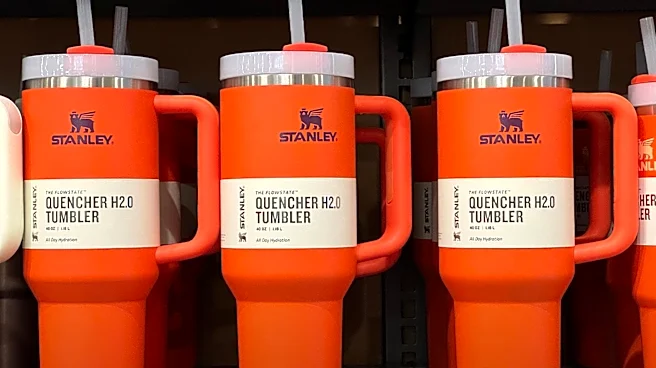
Stanley 1913, known for its Quencher tumblers, is undergoing a significant brand reset as the initial viral success of its products as a status symbol among young female consumers begins to wane. The company's Chief Brand Officer, Kate Ridley, stated
that the focus is now on returning to the brand's core identity and building something 'by us' rather than being solely defined by a viral moment. This strategic shift involves re-evaluating marketing efforts, moving towards a more selective, insight-led retail strategy, and expanding its product catalog beyond drinkware to include items like backpacks, gym totes, lunch bags, and pet accessories. The company is also exploring new product launches aimed at different demographics, such as men interested in meal prepping. This comes as data from Piper Sandler's fall 2024 survey of US teens indicated that Stanley cups were perceived as 'on their way out' by a significant portion of upper-income teen girls, and Consumer Edge data showed a decline in direct spending with Stanley in 2025 and 2026.
Why It's Important?
This brand reset is crucial for Stanley 1913 as it navigates a rapidly evolving market that has seen a flood of new entrants into the luxury adult sippy cup category. The company's ability to successfully pivot from a viral-driven phenomenon to a brand with sustainable, long-term growth will determine its future market position. The decline in direct consumer spending and the perception among teens that the trend is fading highlight the challenges of maintaining relevance after a period of intense, often social media-driven, popularity. By focusing on its 'truths'—originality, inventiveness, quality, and sustainability—and diversifying its product offerings, Stanley aims to broaden its customer base and reduce its reliance on a single product line. This strategy could serve as a case study for other brands experiencing similar viral surges, demonstrating the importance of strategic planning beyond fleeting trends to ensure enduring brand value and market share.
What's Next?
Stanley 1913 is implementing its brand reset through various initiatives, including a holiday pop-up in New York City's SoHo, dubbed the 'Museum of Questionable Gifts,' where consumers can trade in unwanted presents for a new Stanley product and personalize tumblers. The company is also expanding its retail partnerships, adding Macy's and Famous Footwear, and releasing exclusive collections with existing retailers like Target, Dick's Sporting Goods, and Amazon. Future marketing efforts will prioritize the Stanley brand itself, moving away from solely relying on collaborations. A new product launch targeting men interested in meal prepping is also in the pipeline. These steps indicate a concerted effort to re-establish brand identity, diversify sales channels, and attract new customer segments to ensure continued growth and mitigate the impact of declining viral interest.
Beyond the Headlines
The trajectory of Stanley 1913 underscores a broader trend in consumer markets where viral success, while initially lucrative, can be ephemeral. The challenge for brands is to convert short-term hype into lasting brand loyalty and diversified revenue streams. Stanley's experience highlights the double-edged sword of social media-driven popularity: while it can rapidly elevate a product to cult status, it also exposes the brand to rapid shifts in consumer sentiment and intense competition. The company's strategic shift towards emphasizing core brand values and expanding its product range reflects an understanding that sustained success requires more than just a trendy item. This situation also raises questions about the long-term impact of influencer marketing and the need for brands to cultivate authentic connections with consumers beyond fleeting fads.