










What's Happening?
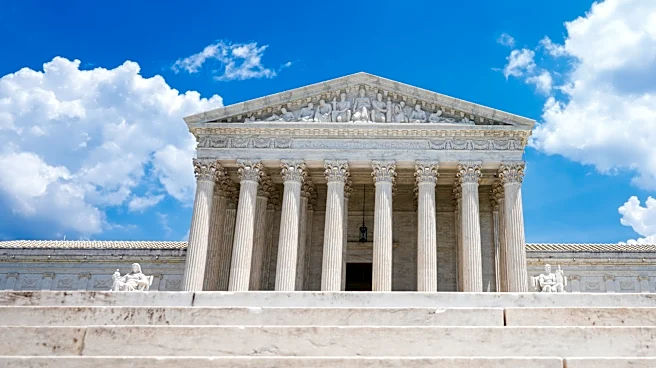
Thirteen publishers, including major industry players like the Big Five, Cengage, Elsevier, McGraw Hill, Pearson, Taylor & Francis, and Wiley, have filed a lawsuit against the pirate site WeLib. The suit, lodged in the U.S. District Court for the Southern
District of New York, accuses WeLib of copyright infringement by hosting over 43 million books and 98 million papers without proper licensing. The site reportedly attracts over 80,000 active monthly users who have accessed more than 51 million books in the past month alone. WeLib is alleged to profit from this pirated content by offering 'fast downloads' in exchange for 'donations,' which the publishers argue are essentially paid memberships. Subscription plans range from $7 to $90 per month, offering varying levels of download speeds and access.
Why It's Important?
This lawsuit highlights the ongoing battle between publishers and online platforms that distribute pirated content. The outcome of this case could have significant implications for the publishing industry, authors, and the broader fight against digital piracy. If successful, the lawsuit could deter other platforms from engaging in similar activities, thereby protecting the intellectual property rights of authors and publishers. The case also underscores the challenges faced by the industry in adapting to the digital age, where unauthorized distribution of content can occur on a massive scale, potentially impacting revenue and the livelihoods of content creators.
What's Next?
The legal proceedings will likely involve detailed examinations of WeLib's operations and its impact on the publishing industry. A successful outcome for the publishers could lead to increased enforcement actions against other similar sites. Additionally, the case may prompt discussions on strengthening copyright laws and digital rights management to better protect intellectual property in the digital realm. Stakeholders in the publishing industry, including authors and legal experts, will be closely monitoring the case for its potential to set new precedents in copyright enforcement.