




What's Happening?
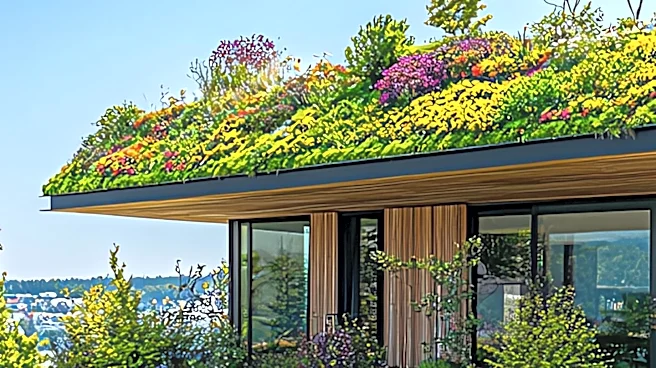
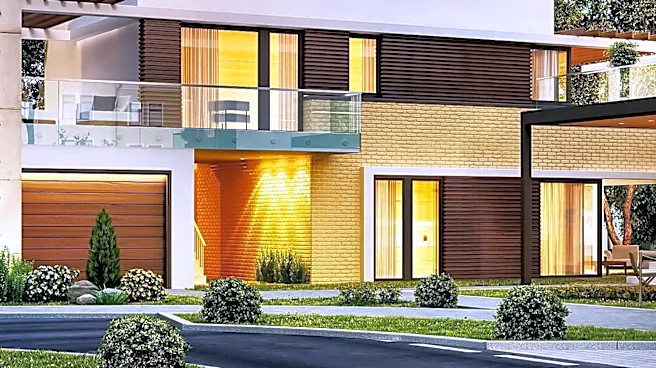
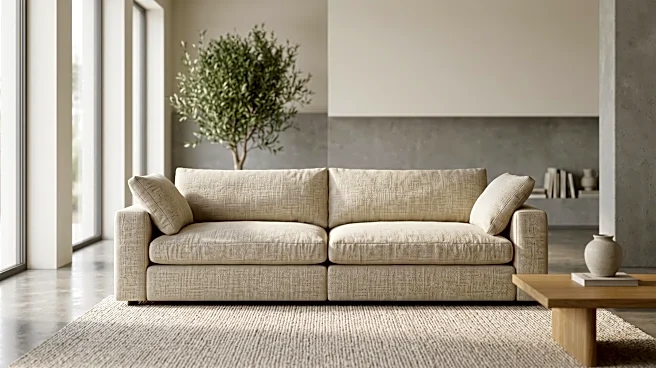
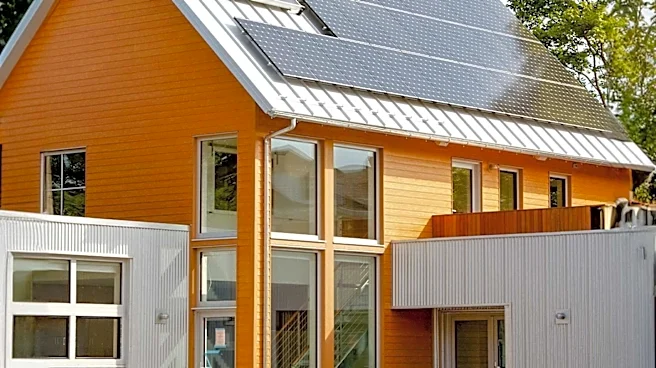
Experts in home design are increasingly emphasizing that luxury and sustainability can coexist without compromise. The Times of India reports that modern home design is evolving to incorporate eco-friendly features that enhance comfort and aesthetics
while minimizing environmental impact. Key sustainable elements include water harvesting systems, efficient water treatment facilities, and proper waste management practices, which are most effective when integrated into the initial design phase of a development. Additionally, energy-efficient cooling systems and building materials contribute to a sustainable lifestyle without requiring residents to alter their daily routines. The focus is also on longevity through proper material selection and infrastructure, which reduces the need for frequent repairs and signifies resource efficiency. The trend highlights a growing interest in homes that are consciously designed, connected to nature, and promote overall well-being through features like natural light, green surroundings, and relaxation zones.
Why It's Important?
This shift in home design is significant as it redefines luxury to include environmental responsibility and long-term well-being. For U.S. industries, this means a growing market for sustainable building materials, energy-efficient appliances, and innovative architectural solutions. Developers and builders who adopt these practices stand to gain a competitive edge by appealing to a demographic increasingly concerned with environmental impact and holistic living. Consumers benefit from homes that offer reduced utility costs, healthier living environments, and increased property value due to their sustainable features. This integration also pushes public policy towards encouraging green building standards and incentives for sustainable development, potentially influencing zoning laws and construction regulations. The broader societal impact includes a reduction in resource consumption and waste, contributing to national environmental goals and fostering a more sustainable future.
What's Next?
The foreseeable future will likely see an accelerated adoption of sustainable luxury in residential and commercial developments across the U.S. This trend will drive further innovation in green technology and building practices. We can expect increased demand for architects and designers specializing in sustainable solutions, as well as a rise in certifications for eco-friendly homes. Major stakeholders, including real estate developers, material manufacturers, and government agencies, will need to collaborate to establish new benchmarks and support the transition. Consumers will continue to seek out properties that offer both high-end amenities and a minimal ecological footprint, making sustainable features a standard expectation rather than a niche offering. Educational initiatives and public awareness campaigns will also play a crucial role in informing homeowners about the benefits and accessibility of sustainable living options.
Beyond the Headlines
Beyond the immediate market implications, the convergence of luxury and sustainability in home design signals a deeper cultural shift towards conscious consumption and environmental stewardship. This development challenges the traditional notion that luxury is inherently resource-intensive, instead promoting an ethic where opulence can be achieved through thoughtful, eco-conscious choices. Legally, this could lead to more stringent building codes and environmental regulations, pushing the industry towards greater accountability. Ethically, it underscores a growing recognition of our collective responsibility to the planet, integrating environmental values into the very fabric of our living spaces. This long-term shift could foster a society where sustainable practices are not just an option but an integral part of modern living, influencing everything from urban planning to individual lifestyle choices and promoting a more harmonious relationship between human habitation and the natural world.