




What's Happening?
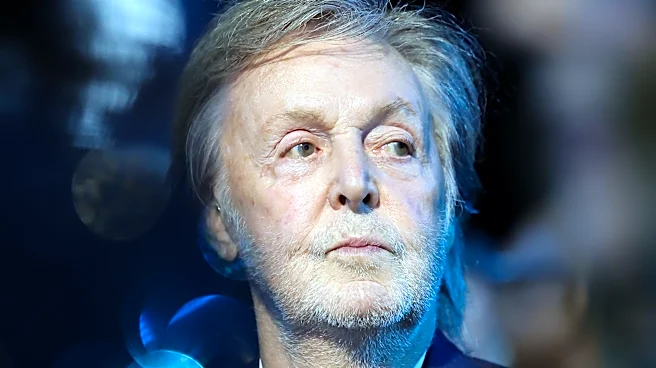
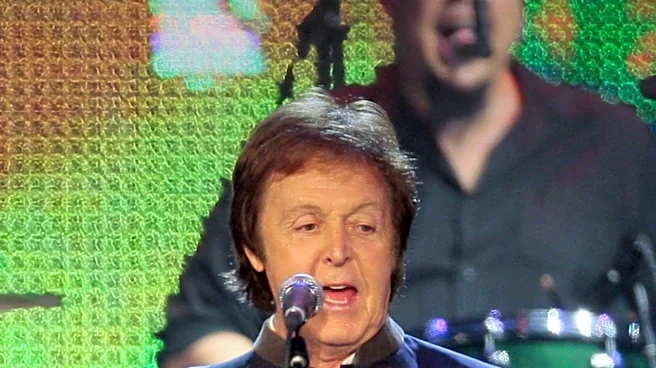
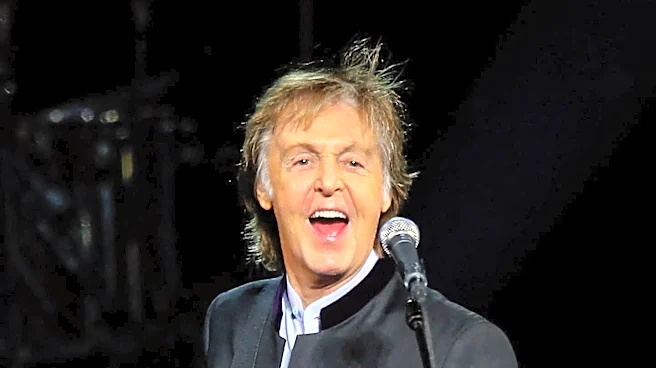
Paul McCartney, the 84-year-old Beatles legend, has officially been recognized by Forbes as a billionaire, with an estimated net worth of at least $1.4 billion. This places him as the world's third-richest musician on Forbes' list, behind Jay-Z and Taylor
Swift. McCartney's fortune is attributed to decades of earnings from his music and tours, as well as significant assets from songs recorded by other artists. His wealth sources include music publishing, songwriting royalties, touring income, real estate holdings in the United Kingdom and the Hamptons, and an art collection. Forbes estimates his share of the Beatles' songwriting copyrights alone to be worth at least $200 million, generating over $10 million annually. His publishing company, MPL Communications, established in 1969, is valued at a minimum of $250 million and holds rights to music by artists like Buddy Holly, Broadway musicals, and classic Christmas songs. The Beatles' Apple Corps company also contributes significantly, generating over $50 million annually from streaming, record sales, and merchandise, with McCartney receiving a 25% share.
Why It's Important?
Paul McCartney's entry into the Forbes billionaire club highlights the enduring financial power of intellectual property in the music industry, particularly for artists with extensive catalogs and publishing rights. His wealth accumulation, significantly bolstered by his ownership of MPL Communications and his share in the Beatles' legacy, underscores how strategic management of music assets can generate substantial long-term income. This development also reflects a broader trend in the entertainment sector where iconic artists, through savvy business decisions and continued relevance, can achieve extraordinary financial success. For the music industry, it reinforces the value of songwriting and publishing as critical revenue streams, demonstrating that an artist's financial legacy can extend far beyond their active performing career. It also showcases the potential for artists to diversify their income through various ventures, including real estate and art, further solidifying their financial standing.
What's Next?
This recognition by Forbes is likely to further solidify Paul McCartney's status as a financial powerhouse in the entertainment world. While McCartney himself declined to comment on the financial estimates, his inclusion in the billionaire rankings may draw increased attention to the financial strategies employed by top-tier musicians. It could also influence how emerging artists and industry professionals view the long-term value of intellectual property and catalog ownership. The ongoing success of artists like McCartney, Jay-Z, and Taylor Swift in accumulating vast wealth through their music and related ventures sets a precedent for future generations in the industry, emphasizing the importance of business acumen alongside artistic talent. This trend may encourage more artists to take greater control over their publishing rights and explore diverse investment opportunities to build lasting financial legacies.
Beyond the Headlines
McCartney's billionaire status transcends mere financial achievement; it symbolizes the profound cultural and economic impact of his work. His ability to generate such immense wealth decades after the Beatles' peak reflects the timeless appeal and global reach of their music. This financial milestone also raises questions about the valuation of artistic contributions and the mechanisms through which creators are compensated for their work over time. The significant portion of his wealth derived from songwriting copyrights and publishing rights underscores the critical role of intellectual property in the modern economy. It highlights the ethical and legal complexities surrounding music ownership and royalties, particularly in an era of digital streaming and evolving consumption patterns. McCartney's journey from a working-class musician to a global icon and now a billionaire offers a compelling narrative about the intersection of art, commerce, and enduring cultural influence.