




What's Happening?
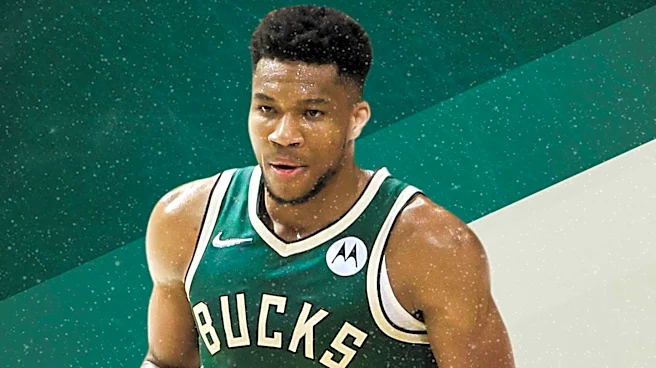
The Milwaukee Bucks are intentionally leaving their final two-way roster spot vacant as training camp approaches. This strategic decision aims to capitalize on the upcoming wave of players who will be cut from other NBA teams' rosters after training camp and
preseason. The Bucks have a history of successfully identifying and developing talent through two-way contracts, with players like AJ Green, Ryan Rollins, and Cormac Ryan emerging from this pathway. By waiting, the team anticipates a broader selection of potentially valuable players who might not secure full-time roster spots elsewhere but could be strong additions on a two-way deal. The team is particularly interested in acquiring a small or power forward to address current roster weaknesses, as their guard positions are considered strong.
Why It's Important?
This approach highlights a growing trend in NBA team management where franchises prioritize flexibility and patience in roster construction, especially for developmental spots. For the Bucks, it signifies a calculated risk to potentially acquire higher-caliber talent than might be available earlier in the offseason. The success of past two-way players demonstrates the potential for significant returns on these low-risk contracts. If the Bucks can secure a promising forward through this method, it could provide crucial depth and future talent for a team that is currently built around youth. This strategy also reflects the competitive nature of NBA roster spots, where many players on camp deals will soon be seeking new opportunities, creating a buyer's market for teams with open two-way slots.
What's Next?
The Milwaukee Bucks will continue to monitor players across the league as training camps conclude and teams finalize their rosters. A new pool of available talent is expected to emerge in the coming weeks, including players who were signed to camp deals but did not make the final cut. The Bucks will then evaluate these players, with a particular focus on small or power forwards, to fill their vacant two-way spot. Potential candidates mentioned include Dillon Jones and Alex Toohey, should they become available from their current teams. The team's decision to wait suggests they are not in a rush and will hold out for a desirable target, aiming to replicate their past success in developing two-way talent.
Beyond the Headlines
The Bucks' strategy underscores the evolving landscape of player development and roster management in the NBA. Two-way contracts, initially designed to bridge the gap between the G-League and the NBA, have become a critical tool for teams to unearth hidden gems and build sustainable talent pipelines. This patient approach also reflects a broader understanding that immediate gratification in player acquisition isn't always the most effective long-term strategy. By prioritizing a wider selection pool over an early commitment, the Bucks are leveraging market dynamics to potentially gain a competitive edge, demonstrating how strategic waiting can be as impactful as aggressive early moves in the complex world of professional sports.