



What's Happening?
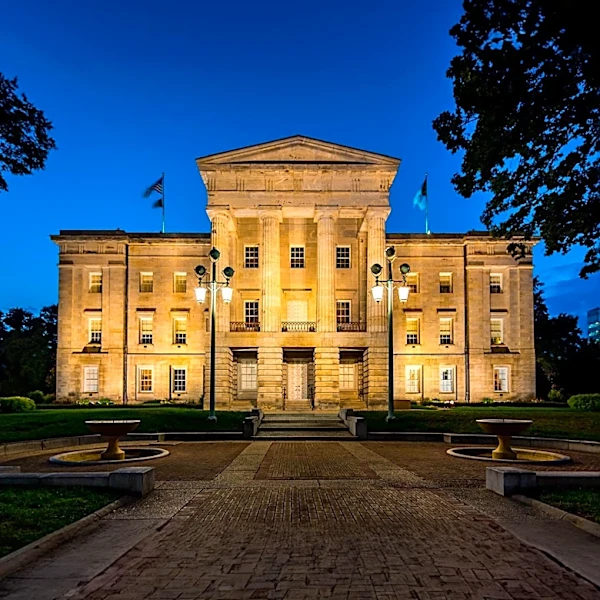
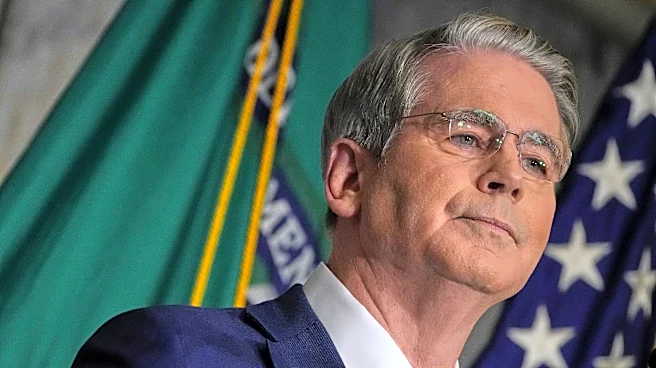
Oklahoma Governor Kevin Stitt has signed an executive order to create the Oklahoma Beef Industry Advisory Council. This new council is tasked with developing recommendations to protect and strengthen the state's beef industry. Chaired by Oklahoma Secretary
of Agriculture Blayne Arthur, the council will comprise leaders with expertise in cattle production, beef processing, agricultural economics, and market development. The formation of this council comes in response to the federal government's announced plans to increase imported beef. Governor Stitt emphasized that Oklahoma should prioritize solutions that support domestic cattle producers rather than policies that could negatively impact U.S. beef prices. Before establishing the council, Governor Stitt held a roundtable discussion with Secretary Arthur and Oklahoma cattle producers to address industry challenges and explore strategies for enhancing the state's beef market.
Why It's Important?
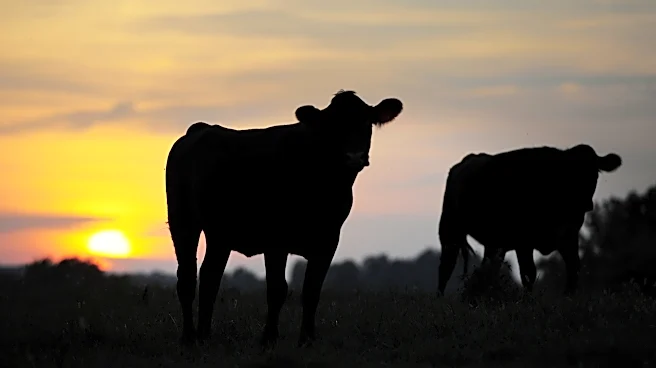
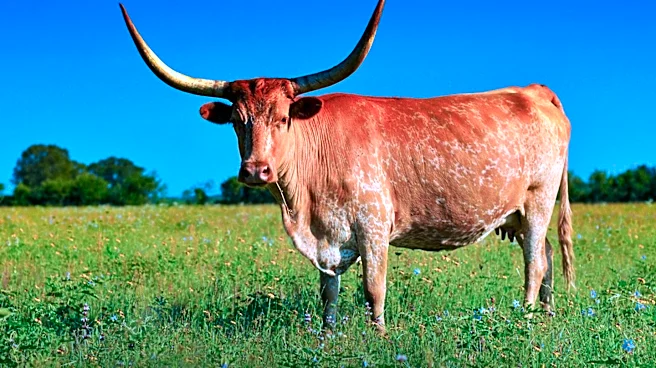
Oklahoma is a significant player in the national beef industry, with approximately 4.65 million cattle and calves, including nearly 2 million beef cows. The state's agricultural sector, particularly beef production, is a key driver of its economy. The creation of this advisory council underscores a proactive stance by state leadership to safeguard a vital industry against potential economic pressures from federal import policies. Increased beef imports could lead to lower domestic beef prices, directly affecting the livelihoods of Oklahoma ranchers and agricultural businesses. This initiative highlights the ongoing debate between federal trade policies and their localized economic impacts, particularly within the agricultural sector. By focusing on state-level solutions, Oklahoma aims to mitigate adverse effects on its cattle producers and ensure the long-term viability of its beef industry.
What's Next?
The Oklahoma Beef Industry Advisory Council is expected to convene and formulate public recommendations aimed at supporting the state's beef industry, including the families and businesses involved in cattle production. These recommendations will likely address strategies to enhance market development, improve processing capabilities, and advocate for policies that favor domestic producers. The council's work will be crucial in shaping Oklahoma's response to federal beef import plans and in developing a robust framework for the state's agricultural future. The collaboration between state government and industry leaders is anticipated to generate actionable insights and policies designed to strengthen the economic resilience of Oklahoma's cattle sector.
Beyond the Headlines
This development reflects a broader trend of states taking independent action to protect their economic interests in response to federal policies. The tension between national trade agreements and local economic stability is a recurring theme in U.S. politics. For Oklahoma, the beef industry is not just an economic sector but also a significant part of its cultural heritage and rural identity. The council's efforts could set a precedent for how other states with strong agricultural bases respond to similar federal initiatives. Furthermore, it highlights the complex interplay between global trade, national policy, and the grassroots impact on American farmers and ranchers, emphasizing the need for balanced approaches that consider both international relations and domestic economic well-being.