



What's Happening?
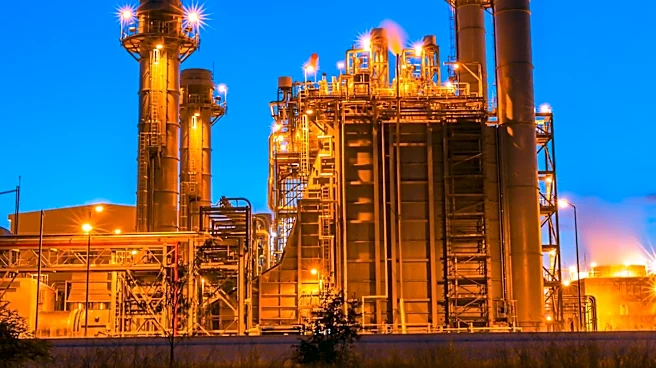
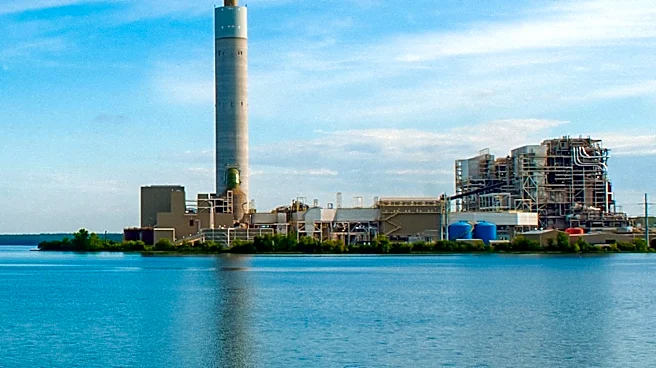
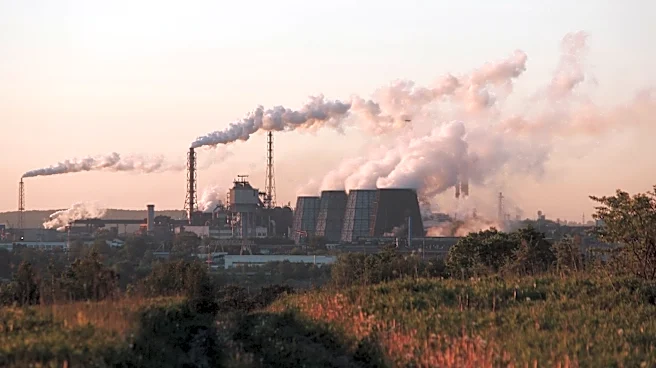
Amazon is constructing a new natural-gas-burning power plant in Pecos County, Texas, to support a large AI data center. The plant is projected to emit approximately 33 million tons of carbon dioxide annually, potentially making it one of the largest carbon emitters
in the U.S. This development comes despite Amazon's previous commitment to the Climate Pledge, which aimed to reduce environmental impact. The project has faced criticism due to its significant carbon emissions and the potential environmental damage it could cause.
Why It's Important?
The construction of Amazon's power plant raises concerns about the environmental impact of large-scale data centers, particularly in terms of carbon emissions. This development highlights the tension between technological advancement and environmental sustainability. The emissions from the plant could contribute significantly to climate change, affecting air quality and public health. The situation underscores the challenges companies face in balancing business growth with environmental responsibilities, especially when previous commitments to sustainability are at stake.
What's Next?
As construction progresses, Amazon may face increased scrutiny from environmental groups and regulatory bodies. The company might need to explore alternative energy sources or implement carbon offset strategies to mitigate the environmental impact. Public and governmental pressure could lead to policy changes or additional regulations for data centers. The outcome of this project could influence future decisions by tech companies regarding energy use and environmental commitments.