








What's Happening?
Researchers at the Auckland Bioengineering Institute, University of Auckland, are developing and trialing DiNa, an AI-powered digital health coach designed for individuals with Type 2 diabetes. This initiative is part of a broader digital twin program
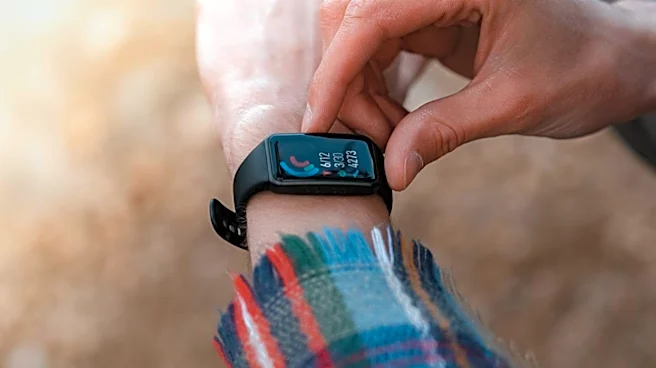
aimed at improving patient adherence to treatment plans between clinical appointments. DiNa integrates data from various sources, including smartphones, wearable devices, meal records, medication tracking, and continuous glucose monitors. Users can photograph meals for AI-driven nutritional analysis and input details via voice commands. The system's core feature is a voice-only chatbot interface, which early user feedback indicated was more natural and less demanding than visual avatars. DiNa provides encouragement, helps troubleshoot barriers, suggests exercise timing, and adapts advice to daily life disruptions, drawing on curated New Zealand diabetes resources. It is not intended to replace clinicians but to support long-term lifestyle changes and diabetes education. A three-month clinical trial is currently underway with 10 participants, comparing DiNa's effectiveness against an existing diabetes management tool.
Why It's Important?
The development of AI health coaches like DiNa holds significant importance for chronic disease management, particularly for conditions like Type 2 diabetes that require sustained behavioral changes. By providing personalized, real-time support, AI coaches can address the common challenge of declining motivation and adherence between medical visits. This technology could empower individuals to better manage their diet, exercise, and medication, potentially leading to improved health outcomes and reduced long-term complications associated with diabetes. The ability to integrate diverse data sources offers a comprehensive view of a user's health, enabling more tailored and effective interventions. If successful at scale, such AI tools could alleviate pressure on healthcare systems by extending preventive care and support beyond traditional clinical settings, making diabetes management more accessible and personalized for a larger population. The focus on user-friendly interfaces, like voice interaction, also highlights an effort to make health technology more intuitive and engaging for diverse user groups.
What's Next?
The current three-month clinical trial of DiNa with 10 participants is a crucial next step to evaluate its efficacy compared to existing diabetes management tools. Following this, the research team, led by Dr. Gonzalo Maso Talou and including Ph.D. student Kekayan Nanthakumar, plans a series of further trials. The broader objective is to advance the creation of personalized digital twins—computational models that simulate an individual’s glucose response to food, activity, and medication. These models aim to help users understand their body's unique responses, compare meal options, and generate recipes based on glucose levels. The ultimate goal is to integrate this technology into healthcare systems, especially in regions like New Zealand where diabetes rates are rising, particularly among Māori, Pacific, and Indian communities. Future efforts will likely focus on scaling the technology, refining its AI capabilities, and ensuring its seamless integration with clinical care to support long-term lifestyle changes and diabetes education.
Beyond the Headlines
The emergence of AI health coaches like DiNa signifies a broader shift towards personalized and proactive healthcare, moving beyond reactive treatment models. This technology raises important ethical considerations regarding data privacy and security, as it collects sensitive personal health information from multiple sources. Ensuring robust data protection and transparent usage policies will be critical for user trust and adoption. Legally, the role of AI coaches in providing health advice, even if supplementary to clinicians, may necessitate new regulatory frameworks to define responsibilities and liabilities. Culturally, the acceptance of AI as a health partner will vary, requiring careful design to ensure inclusivity and address potential biases in AI algorithms, especially when serving diverse populations. Long-term, such AI tools could transform patient-clinician relationships, potentially freeing up healthcare professionals to focus on more complex cases while AI handles routine monitoring and coaching, thereby optimizing healthcare resource allocation and improving overall public health.