






What's Happening?
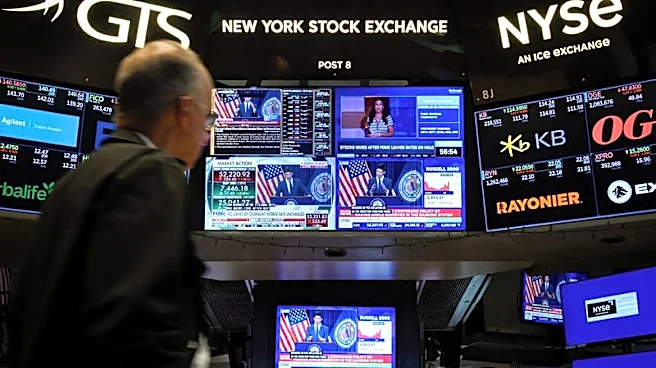
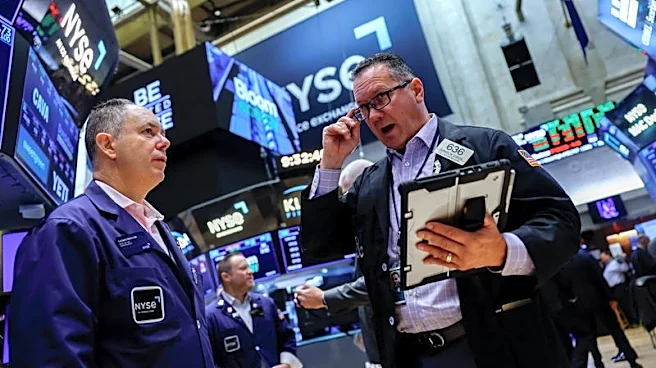
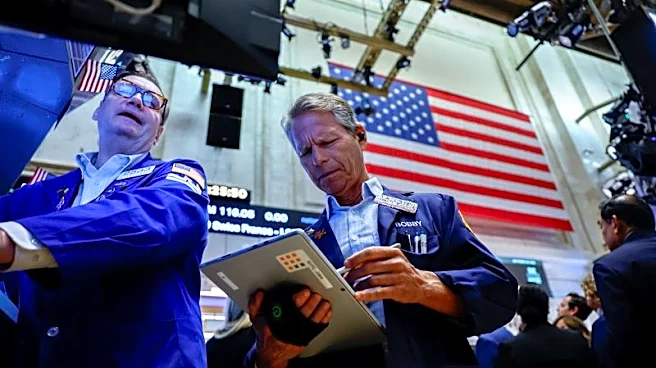
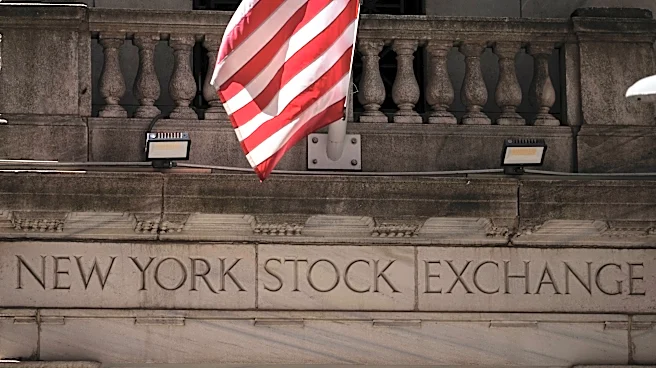
The U.S. stock market has achieved an all-time high, with the S&P 500 closing 0.58 percent higher and the Nasdaq Composite reaching a record high, up 0.45 percent. This surge is largely attributed to significant investments in artificial intelligence
(AI) by hyperscalers, which has fueled a buying frenzy on Wall Street. The S&P 500 has risen 14 percent and the Nasdaq Composite is up 18.78 percent so far in 2026. Technology stocks, particularly the 'Magnificent Seven' (excluding Meta), were top performers, with Amazon leading with a 1.95 percent gain. This market rally has occurred despite various challenges, including an energy crunch, a sell-off of U.S. government bonds due to ballooning debt, and rising interest rates. Keith Lerner, chief investment officer at Truist Advisory Services, characterized the rally as a 'technology and AI surge,' noting that these sectors were the only ones in the S&P 500 to rise last month. Investors remain bullish on AI's prospects, believing that investments in data centers will yield good returns, outweighing concerns about higher interest rates and elevated oil prices.
Why It's Important?
This market performance is significant as it indicates a strong investor confidence in the U.S. technology sector, particularly in artificial intelligence, despite broader economic headwinds. The sustained growth, with the market on track for its fourth consecutive year of double-digit returns, suggests a robust underlying belief in the transformative potential of AI. This trend could lead to further capital allocation towards AI research and development, potentially accelerating technological advancements and creating new industries or job markets. However, the concentration of the market rally in a handful of companies, as noted by Lochlan Halloway of Morningstar Australia, poses a risk. If the 'AI story' falters, it could have a disproportionate negative impact on the overall market. The ability of Wall Street to shrug off challenges like rising interest rates, increased oil prices, and government debt also highlights a decoupling of market sentiment from some traditional economic indicators, driven by the perceived value of technological innovation.
What's Next?
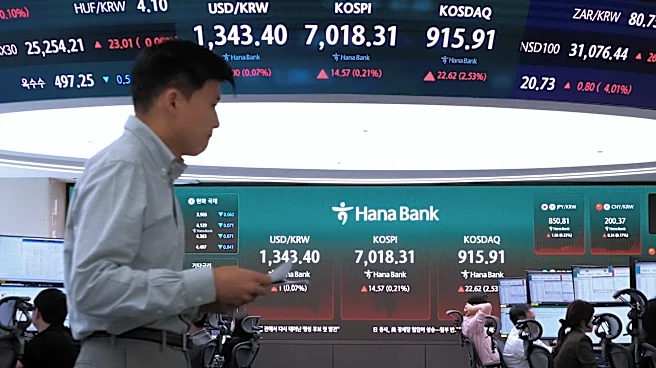
The market rally is anticipated to potentially continue through the end of 2026, according to Keith Lerner, citing historical trends and expectations for strong corporate earnings. However, Lerner also cautioned that a 'straight line higher' for markets is not expected, and rising interest rates pose the biggest risk to this upward trend. The continued performance of the U.S. stock market will heavily rely on the sustained delivery of the 'AI story' and the ability of AI-driven companies to meet investor expectations. Future market movements will also be influenced by upcoming economic data, such as the Federal Reserve's minutes and August consumer credit data. While the U.S. market shows strength, the declines in Asian markets suggest a divergence in global economic sentiment, which could introduce volatility. Investors will be closely watching for any signs of a slowdown in AI investment or a significant shift in interest rate policy that could impact corporate profitability and market valuations.
Beyond the Headlines
The current market surge, heavily reliant on AI, points to a broader societal and economic transformation. The 'AI surge' is not merely a financial phenomenon but reflects a fundamental shift in how industries operate and create value. This concentration of wealth and growth in a few technology giants raises questions about market fairness and potential monopolies, as well as the long-term implications for smaller businesses and traditional sectors. The enthusiasm for AI also highlights the increasing importance of technological literacy and investment in digital infrastructure for national competitiveness. Furthermore, the market's resilience in the face of geopolitical tensions and macroeconomic challenges suggests a growing perception among investors that technological innovation can act as a buffer against traditional economic downturns. This could lead to a re-evaluation of risk models and investment strategies, potentially favoring disruptive technologies over more stable, but less innovative, sectors. The ethical and regulatory frameworks surrounding AI development will also become increasingly critical as its influence on the economy and society expands.