








What's Happening?
Wabi-sabi is an aesthetic concept that values simplicity, imperfection, and the natural progression of time. It encourages finding beauty in what is incomplete or insufficient, and appreciating the signs of aging and decay. This philosophy is not about
poverty but rather a deliberate choice to remove excess, creating space in an otherwise crowded and overstimulated world. The concept is seen as particularly relevant in the current Reiwa era, characterized by an abundance of information and constant stimulation. Wabi-sabi tableware, for instance, embodies this by featuring uneven glazes, natural variations from the kiln, and surfaces that evolve with use, rather than striving for perfect uniformity. The core idea is to embrace the natural, the aged, and the unique characteristics that develop over time, contrasting sharply with modern values that often prioritize newness, perfection, and constant addition.
Why It's Important?
The resurgence and relevance of wabi-sabi highlight a growing societal need for intentional simplicity and a counter-narrative to consumerism and constant upgrades. In an era defined by digital overload and the pursuit of perfection, this philosophy offers a framework for mental and emotional respite. It encourages individuals to find contentment in what they have, to maintain rather than constantly replace, and to appreciate the inherent beauty in flaws and the passage of time. This can impact lifestyle choices, design trends, and even personal well-being by fostering a less materialistic and more mindful approach to daily life. For industries, it suggests a potential shift in consumer preferences towards products that emphasize craftsmanship, durability, and unique character over mass-produced perfection, potentially influencing sectors like home goods, art, and even technology design to incorporate elements of natural aging and imperfection.
What's Next?
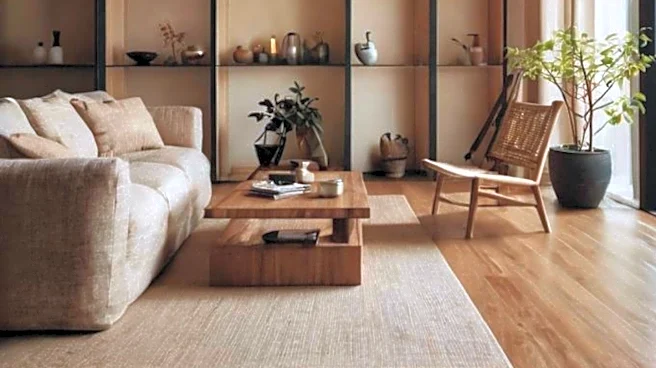
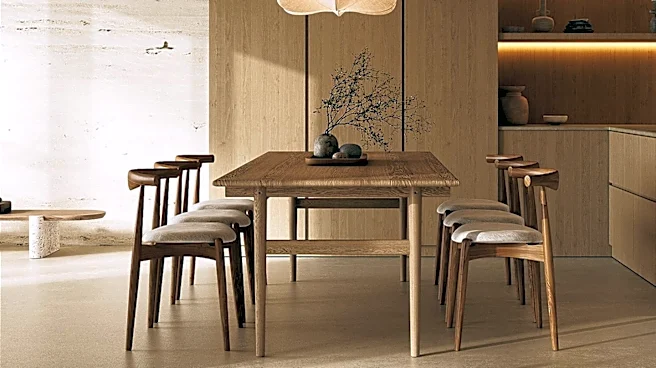
As awareness of wabi-sabi grows, its principles may increasingly influence various aspects of U.S. culture and commerce. We could see a continued trend in interior design favoring natural materials, aged textures, and minimalist aesthetics that prioritize functionality and quiet beauty. Businesses might adapt by offering products that celebrate unique imperfections or develop patina over time, moving away from the sterile, mass-produced ideal. Consumers may also seek out experiences and products that offer a sense of calm and authenticity, leading to a greater appreciation for handmade goods, vintage items, and sustainable practices that align with the wabi-sabi ethos of valuing what already exists and allowing it to age gracefully. This could also foster a broader cultural conversation about the benefits of slowing down and finding beauty in the everyday, imperfect aspects of life.
Beyond the Headlines
The philosophical underpinnings of wabi-sabi offer a profound critique of contemporary society's relentless pursuit of 'more' and 'new.' It challenges the notion that value is solely derived from perfection, newness, or abundance, instead positing that true elegance can be found in scarcity, age, and imperfection. This perspective has ethical implications, encouraging sustainability through maintenance and reuse rather than constant consumption. Culturally, it promotes a deeper connection to objects and environments, fostering a sense of history and continuity. Legally, while not directly impacting policy, a widespread adoption of wabi-sabi principles could indirectly influence regulations related to product lifespan, waste reduction, and the promotion of artisanal crafts. It represents a quiet rebellion against the pressures of modern life, offering a path to contentment through acceptance of impermanence and the beauty of the flawed.