






What's Happening?
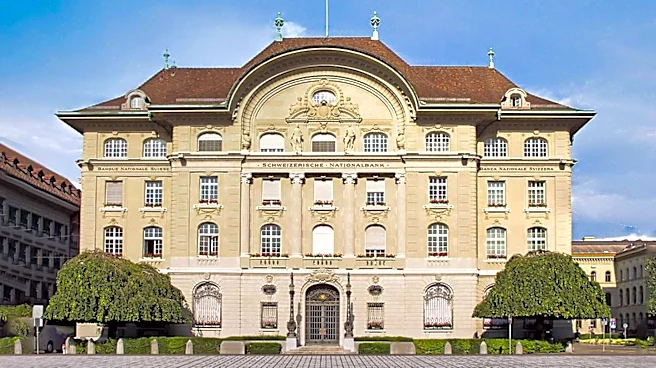
Pimco, a prominent U.S. asset manager and one of the world's largest fixed-income investors, has formally entered the debate surrounding Switzerland's proposed banking reforms. The reforms primarily concern how systemically important banks, particularly
UBS, should capitalize their foreign subsidiaries. The Federal Council initially proposed that the book value of foreign subsidiaries be fully backed by Common Equity Tier 1 (CET1) capital at the Swiss parent company. UBS has opposed this, citing potential competitive disadvantages. Pimco supports strengthening the resilience of Switzerland's financial system but emphasizes the importance of preserving the country's international competitiveness as a global financial center. The firm suggests exploring a mix of CET1 and Additional Tier 1 (AT1) capital to meet enhanced capitalization requirements for foreign subsidiaries, with CET1 remaining the majority. This position aligns more closely with a compromise proposed by the Economic Affairs and Taxation Committee of the Council of States, which suggests allowing AT1 to cover up to 50 percent of the required capital.
Why It's Important?
Pimco's intervention is significant because it represents a major U.S. financial institution's perspective on international banking regulations, which can influence global financial stability and investment flows. The debate in Switzerland, particularly concerning UBS, has broader implications for how large, globally interconnected banks are regulated and capitalized. If Switzerland implements overly stringent capital requirements that deviate significantly from international norms, it could impact the competitiveness of Swiss banks and potentially lead to capital flight or reduced foreign investment. Pimco's support for a balanced approach, incorporating both CET1 and AT1 capital, reflects a desire to maintain investor confidence in the AT1 market and ensure that Swiss regulations remain aligned with established international practices. This is crucial for U.S. investors and asset managers who operate across various jurisdictions and rely on consistent regulatory frameworks.
What's Next?
The Swiss Council of States is continuing its deliberations on the proposed banking reforms. The Council did not reach a decision on the matter during its initial discussion. Policymakers will need to determine the precise calibration of capital requirements, considering the various proposals and concerns raised by stakeholders like UBS, Pimco, and Blackrock. The aim is to find a compromise that strengthens the banking system's resilience while maintaining Switzerland's international competitiveness. Future steps will likely involve further parliamentary debate, potential amendments to the proposals, and ultimately, a decision on the final regulatory framework. The outcome will dictate the capital structure for systemically important banks in Switzerland and could set precedents for other international financial centers.
Beyond the Headlines
The debate over bank capital requirements in Switzerland, with input from U.S. firms like Pimco, highlights a fundamental tension between financial stability and international competitiveness. While stricter capital rules aim to prevent future financial crises, they can also impose significant costs on banks, potentially hindering their ability to compete globally. The discussion around AT1 instruments is particularly nuanced; these instruments are designed to absorb losses in times of stress, but their effectiveness and investor confidence depend on clear and transparent rules. Pimco's emphasis on aligning Swiss regulations with international standards underscores the interconnectedness of global financial markets. Divergent regulatory approaches can create arbitrage opportunities, increase complexity for international investors, and potentially undermine the stability they are intended to achieve. This situation also reflects the ongoing lessons learned from past financial crises, particularly regarding the role of bank capital in mitigating systemic risk.