
What's Happening?
The green steel industry is making significant strides in reducing carbon emissions by transitioning away from fossil fuels in steel production. Steelmaking is a major contributor to global CO2 emissions,
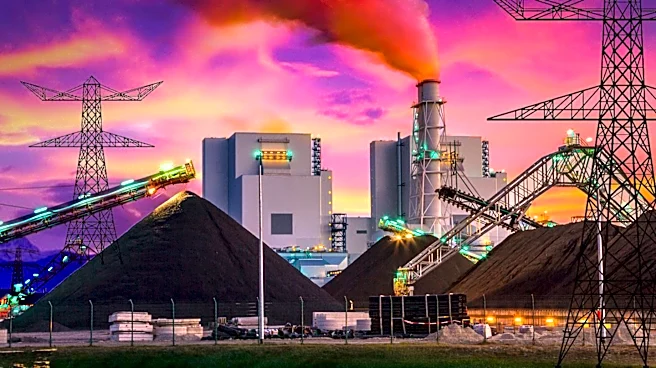
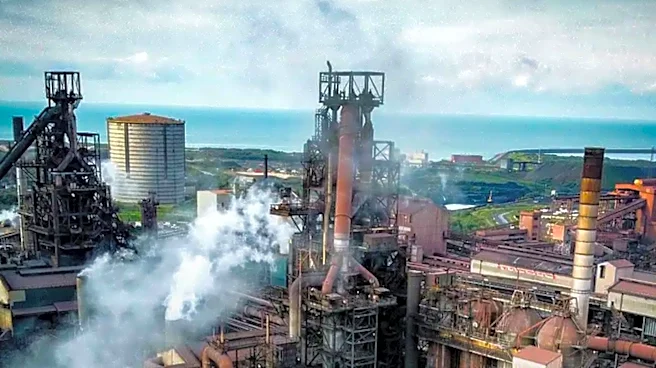
with approximately 75% of steel currently produced in coal-fired blast furnaces. The International Energy Agency (IEA) projects a more than one-third increase in global steel demand by 2050, necessitating a 60% reduction in direct CO2 emission intensity to meet net-zero targets by 2070. A key pathway to green steel involves replacing coal-based blast furnaces with direct reduced iron (DRI) plants, which use natural gas or hydrogen to reduce iron ore, followed by melting and refining in electric arc furnaces (EAFs powered by renewable electricity. While steel recycling is thriving, it cannot meet global demand, making new production methods crucial. Companies like Hawsons Iron and High Tide Resources are positioning themselves as critical suppliers of high-grade magnetite concentrate and direct reduction feedstock, essential for these low-carbon steelmaking processes.
Why It's Important?
The rise of green steel is vital for the U.S. mining and construction industries, which are significant consumers and producers of steel. Decarbonizing steel production directly impacts the environmental footprint of infrastructure projects, manufacturing, and various other sectors. The shift towards green steel creates new demand for specific raw materials, such as high-purity iron ore, and drives innovation in mining and processing techniques. This transition also presents economic opportunities for companies that can supply these specialized materials and technologies. The challenge lies in the availability and cost of low-carbon hydrogen, a critical component for DRI plants. However, the long-term benefits include reduced carbon emissions, improved air quality, and enhanced sustainability across the supply chain, aligning with broader climate goals and potentially influencing trade policies and consumer preferences for environmentally friendly products.
What's Next?
The green steel industry will continue to focus on overcoming the barrier of high-cost, low-carbon hydrogen production, requiring substantial investment in renewable power generation. Global policy initiatives, such as the EU's REPowerEU plan, indicate a growing commitment to renewable hydrogen development, which could eventually benefit the U.S. market. Companies like Hawsons Iron and High Tide Resources will advance their projects to supply the necessary high-grade raw materials, with ongoing metallurgical test work and resource expansion efforts. The industry expects a progressive development of hydrogen-based direct reduction technologies as infrastructure becomes more available and cost-effective. While the full decarbonization of the steel industry will take time, the current efforts aim to integrate greener practices into existing supply chains, with a focus on delivering carbon-neutral products without necessarily incurring a premium for consumers.
Beyond the Headlines
The concept of 'green metals' extends beyond steel, encompassing materials like lithium, copper, and cobalt, which are crucial for the energy transition. However, the source highlights the ambiguity of the 'green' label, as the extraction and processing of these metals often have significant environmental footprints. This raises ethical and sustainability questions about the entire supply chain of renewable technologies. The push for green steel underscores a broader societal and industrial shift towards demanding greater transparency and accountability for environmental impacts. It also points to the need for comprehensive standards, such as those laid out by Responsible Steel, that address not only emissions but also labor rights, water usage, and biodiversity. This holistic approach is essential to ensure that the transition to a low-carbon economy is truly sustainable and equitable.