





What's Happening?
Setting up an effective home office involves more than just acquiring a desk and chair; it requires thoughtful planning to support productivity and work-life balance, according to recent guides. With 35% of employed Americans working from home at least
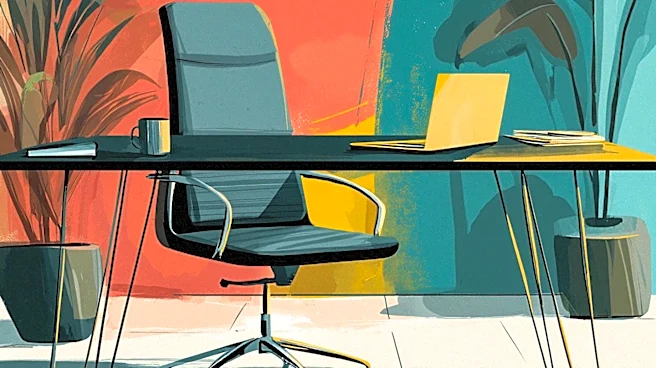
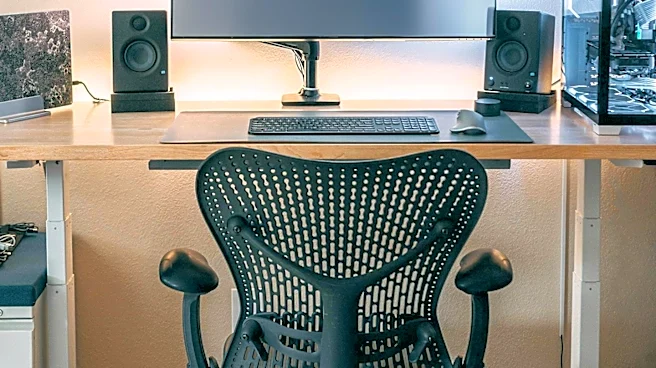
some of the time in 2025, the need for functional home workspaces is significant. Key considerations include choosing the right location—ideally quiet and separate from busy household areas—and selecting comfortable, functional furniture. Desks should offer ample surface area without crowding the space, and ergonomic chairs with adjustable features are crucial for extended sitting. Color schemes that promote focus, such as neutrals, soft greens, or blues, can enhance the atmosphere. Maximizing natural light by positioning desks near windows, while avoiding glare, and supplementing with artificial lighting sources like ambient, task, and accent lights, are also vital. Organization is paramount, with strategies like cable organizers, labeled folders, and regular decluttering helping to maintain a focused environment. Personal touches like plants or artwork can make the space more enjoyable, provided they don't create distractions. For small spaces, creative solutions include using living-room walls, bedroom corners, or even closets as workstations, emphasizing the importance of matching the setup to the actual work patterns and available space.
Why It's Important?
The design of a home office significantly impacts an individual's productivity, well-being, and ability to maintain a healthy work-life balance. A poorly designed workspace can lead to distractions, discomfort, and difficulty in separating professional and personal life, which is particularly challenging when work and living spaces overlap. Investing in a well-thought-out home office setup can mitigate these issues, fostering an environment conducive to concentration and efficiency. For the growing number of remote workers, freelancers, and small business owners, a functional home office is not just a convenience but a necessity for sustained professional performance. The emphasis on ergonomics, lighting, and organization directly addresses common issues like eye strain, poor posture, and mental clutter, which can lead to decreased output and increased stress. Furthermore, establishing a clear physical or visual boundary between work and personal areas helps reinforce the distinction between professional responsibilities and leisure time, preventing burnout and promoting overall well-being. This shift towards intentional home office design reflects a broader adaptation to evolving work models and highlights the importance of creating supportive environments for remote work.
What's Next?
As remote and hybrid work models continue to evolve, the demand for adaptable and efficient home office solutions is expected to grow. Future trends may include further integration of smart home technology to optimize lighting, temperature, and connectivity within home workspaces. There will likely be continued innovation in space-saving furniture and modular designs that can easily transform multi-purpose rooms into dedicated work zones and back again. Manufacturers may focus on developing more aesthetically pleasing and ergonomically advanced equipment that blends seamlessly with home decor, moving beyond traditional office aesthetics. Additionally, as awareness of the psychological impact of workspace design increases, there could be a greater emphasis on biophilic design elements, such as more integrated plant life and natural materials, to enhance well-being and reduce stress. Educational resources and design services specializing in home office optimization are also likely to expand, offering tailored solutions for diverse living situations and professional needs. The ongoing evolution of work culture will continue to drive innovation in creating home environments that support both productivity and personal life.
Beyond the Headlines
The rise of the home office has profound implications beyond immediate productivity, touching upon urban planning, real estate markets, and even social dynamics. As more people work from home, there could be a decentralization of urban centers, with less demand for traditional office spaces and a potential revitalization of suburban and rural areas. This shift might influence housing design, with new constructions increasingly incorporating dedicated, well-designed home office spaces. Environmentally, reduced commuting could lead to lower carbon emissions and decreased traffic congestion. However, it also raises questions about energy consumption in residential areas and the need for more sustainable home energy solutions. Socially, while offering flexibility, widespread remote work can blur the lines between personal and professional life, potentially leading to increased work hours and social isolation if not managed effectively. The emphasis on creating distinct work zones within the home highlights a societal effort to mitigate these challenges, fostering environments that support both individual well-being and professional demands in an increasingly remote-centric world. This evolution also underscores the importance of digital literacy and access to reliable internet infrastructure as fundamental necessities for participation in the modern workforce.