





What's Happening?
The smart agriculture solutions market is projected to grow from $17.1 billion in 2025 to $18.45 billion in 2026, with a Compound Annual Growth Rate (CAGR) of 7.9%. This expansion is fueled by the increasing need for enhanced agricultural productivity,
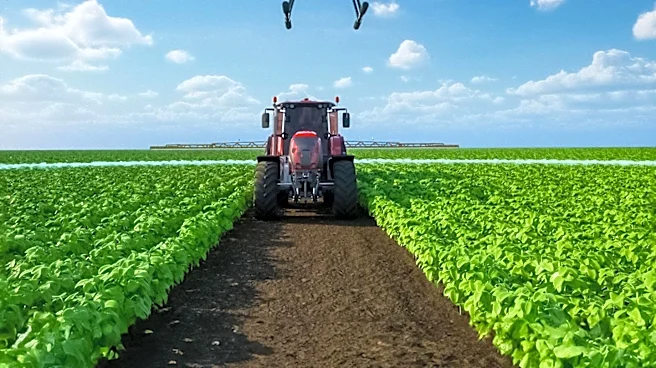
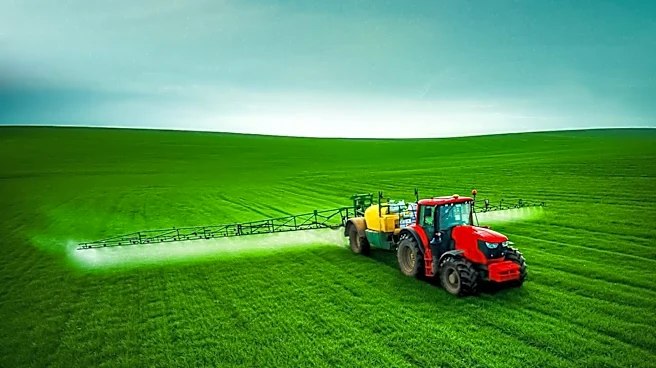
wider adoption of mechanized farming, optimization of farmland use, and growing concerns over food security. Looking ahead, the market is anticipated to reach $24.63 billion by 2030, maintaining a CAGR of 7.5%. Key drivers for this future growth include the rising use of data-driven farming approaches, enhanced incorporation of artificial intelligence (AI) in agriculture, advancement of climate-resilient farming methods, and broader deployment of automated irrigation and smart water management systems. North America was the largest regional market in 2025, while Asia-Pacific is forecasted to be the fastest-growing region.
Why It's Important?
The significant growth in the smart agriculture solutions market is particularly important for the U.S., which was the largest regional market in 2025. This indicates a strong existing infrastructure and adoption rate of advanced farming technologies within the country. The increasing labor costs in U.S. agriculture, which are projected to reach $43.35 billion in 2023, serve as a major impetus for the adoption of smart agriculture solutions. These technologies help alleviate cost pressures by automating repetitive tasks and implementing precision farming techniques, thereby reducing manual labor requirements and optimizing resource use. For U.S. farmers, this means improved efficiency, higher yields, and enhanced sustainability, which are crucial for maintaining competitiveness in a global market and addressing mounting concerns over food security and environmental challenges.
What's Next?
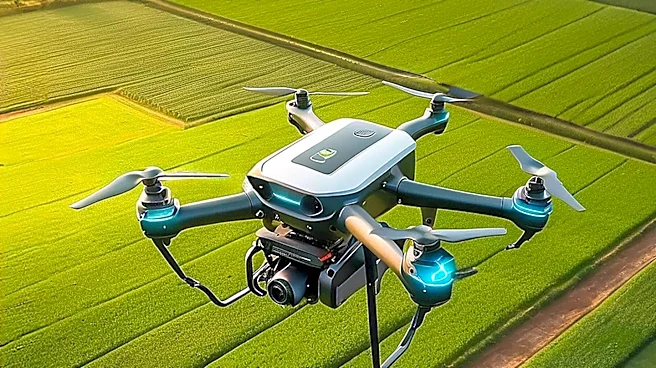
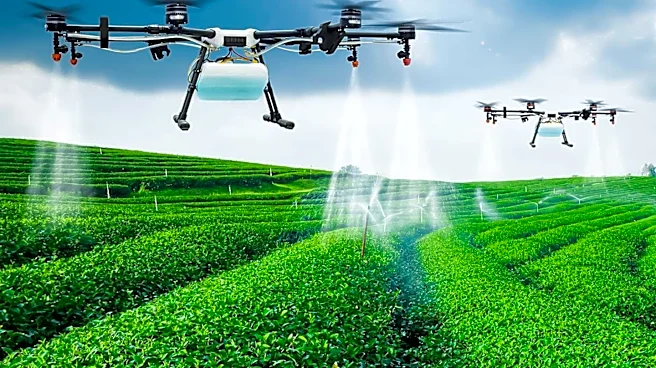
The smart agriculture solutions market is poised for continued robust growth, with key trends including IoT-enabled farming monitoring, AI-powered crop forecasting and yield optimization, precision irrigation solutions, and drone-assisted crop surveillance. There will also be a significant shift towards cloud-based farm management platforms. Companies in the U.S. and globally will likely focus on developing and integrating these cutting-edge technologies to offer comprehensive solutions that boost efficiency and sustainability. The U.S. Department of Agriculture's Economic Research Service's report on rising labor costs further underscores the ongoing need for automation and precision farming. As such, investments in research and development for smart agriculture technologies are expected to increase, aiming to provide farmers with tools that support better decision-making and resource allocation, ultimately enhancing productivity and environmental sustainability.
Beyond the Headlines
The rapid transformation of agriculture through smart solutions carries profound implications beyond mere economic efficiency. The integration of AI and IoT into farming practices raises questions about data ownership, cybersecurity, and the digital divide among farmers. While these technologies promise increased productivity and sustainability, they also necessitate significant investment and technical expertise, potentially marginalizing smaller farms that cannot afford such advancements. Furthermore, the shift towards climate-resilient farming methods and smart water management systems highlights a proactive response to environmental challenges, but also brings into focus the ethical considerations of genetically modified crops and the long-term ecological impact of intensive technological intervention. The future of smart agriculture will not only redefine how food is produced but also reshape rural economies, labor markets, and the very relationship between humans and the natural environment.