







What's Happening?
An analysis has revealed that batteries used by major U.S. electric car manufacturers, including Volkswagen, Ford, and Tesla, may contain nickel sourced from indigenous woodlands in Indonesia that are experiencing significant deforestation. The investigation
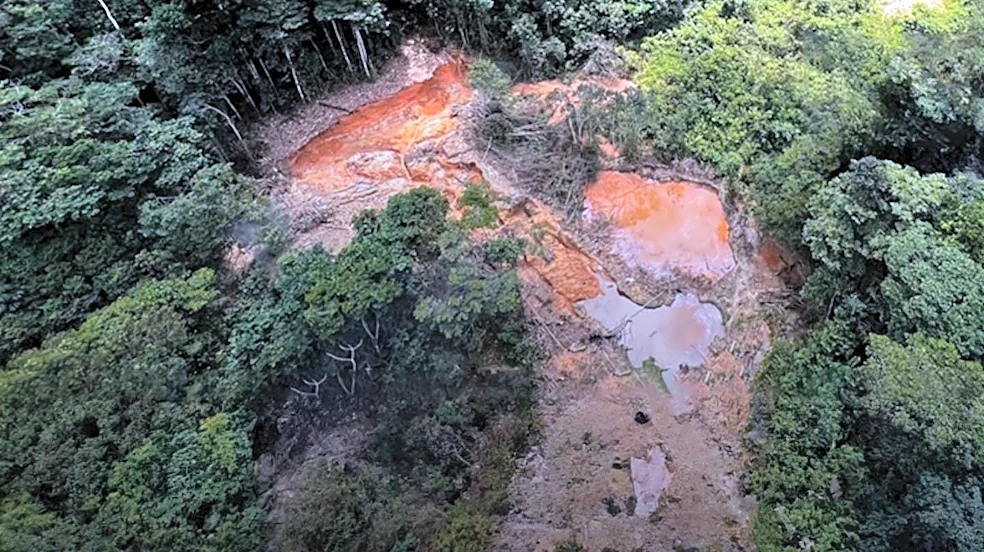
traced corporate disclosures and trade flows from the past two years, linking mines in the battery supply chains of these automotive giants to the destruction of primary rainforest in Sulawesi, Indonesia. This region is a wildlife hotspot and home to the world's largest nickel deposits. Ore from the Cahaya and Hengjaya mines was tracked through regional smelters and Chinese processing plants operated by Zhejiang Huayou Cobalt, a cathode manufacturer that supplies CATL, the world's largest battery maker. Huayou's corporate reports list U.S. and European carmakers as end-users, with additional data showing a route from Huayou to LG, another supplier to leading carmakers. Satellite analysis indicates that these mines have caused widespread deforestation in lands inhabited by the indigenous Tolaki people. The Tolaki elder, Wadimula, stated that destroying the forest is akin to destroying their own life.
Why It's Important?
This development highlights a critical challenge in the transition to a carbon-free economy: ensuring that the supply chains for electric vehicle components are free from environmental destruction and human rights abuses. While electric vehicles are less environmentally harmful than fossil fuel-burning engines, the sourcing of critical minerals like nickel can have severe ecological and social consequences. The demand for nickel is projected to double to 5.5 million tonnes by 2040, with a significant portion coming from Indonesia and refined in China. This increased demand, coupled with weak environmental safeguards in mining regions, exacerbates deforestation and impacts indigenous communities. The findings suggest that the carbon footprint of nickel from the most affected mines could be up to 500 times greater than previously reported. For U.S. carmakers, this raises questions about the sustainability and ethical implications of their supply chains, potentially affecting their brand reputation and consumer trust, especially as consumers become more environmentally conscious. It also underscores the need for more robust due diligence and transparency in global mineral sourcing.
What's Next?
The implicated carmakers, including Volkswagen, Ford, and Tesla, are likely to face increased scrutiny regarding their supply chain practices. Many companies have stated they do not source nickel directly and require suppliers to comply with responsible sourcing standards, but they have declined to share results of on-site audits. This investigation may prompt calls for greater transparency and independent verification of sourcing. Environmental groups and indigenous rights advocates will likely continue to pressure these companies to address the deforestation and social impacts linked to their battery supply chains. There may be a push for improved public transport, increased walking and cycling, and the purchase of smaller cars to reduce lithium demand in the U.S. transport sector, alongside better recycling initiatives. The Indonesian government may also face pressure to strengthen environmental safeguards and reconsider exemptions for miners in designated 'production forests.' The long-term trend will likely involve a continued effort to balance the growing demand for critical minerals with environmental protection and social responsibility.
Beyond the Headlines
The issue extends beyond immediate environmental damage to encompass ethical and cultural dimensions, particularly concerning indigenous communities whose livelihoods and cultural heritage are intrinsically linked to the forests. The statement from Wadimula, a Tolaki elder, underscores the profound impact of deforestation on their way of life and spiritual connection to the land. This situation also exposes the complexities of global supply chains, where the pursuit of sustainable technologies in one part of the world can inadvertently contribute to environmental degradation and social injustice in another. It highlights the challenge of achieving a truly 'green' economy when the raw materials for such technologies are sourced from regions with lax regulations and vulnerable populations. The reliance on critical minerals from countries with weak environmental oversight raises questions about corporate accountability and the effectiveness of current international standards for responsible sourcing. Ultimately, this scenario prompts a deeper reflection on the true cost of technological advancement and the need for a holistic approach to sustainability that considers the entire lifecycle of products and their global impact.