



What's Happening?
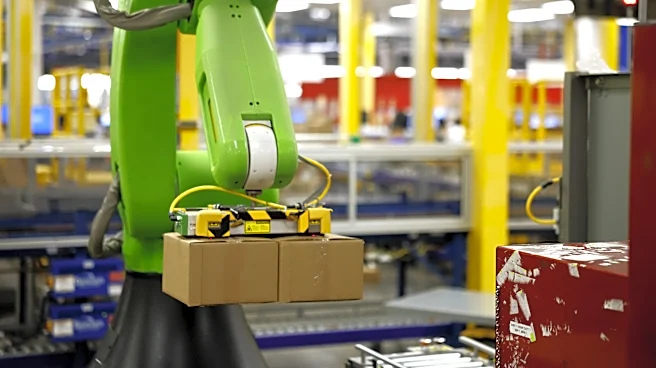
European retail giant Fnac Darty is preparing for the Black Friday and Christmas shopping rush by implementing an innovative warehouse automation system. The company has partnered with French robotics specialist Exotec to automate its logistics facility
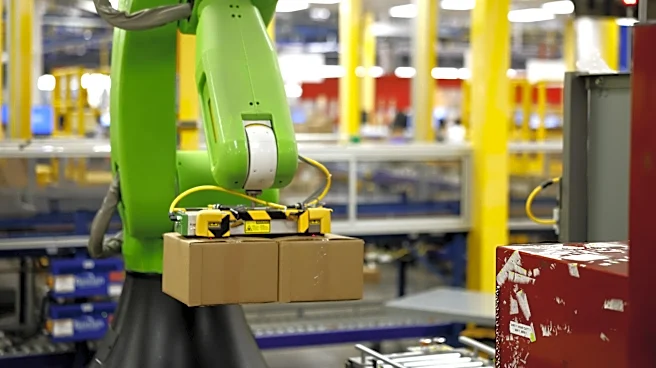
in Massy, near Paris. This system combines second-hand robots with additional machines available for rent during periods of high demand. The goal is to significantly increase order processing capacity to as many as 35,000 order lines per day during peak shopping periods. The installation showcases a flexible approach to automation, allowing retailers to scale their capacity without investing in entirely new systems or purchasing more robots than needed year-round. The warehouse, which handles toys and games, serves both online customers and the replenishment needs of Fnac Darty’s retail stores. The system includes 36 Exotec Skypod robots, 30,700 storage locations, and five goods-to-person order picking stations. During seasonal peaks, an additional 25 rented robots boost the fleet to 61 machines, more than doubling the normal maximum throughput.
Why It's Important?
This initiative by Fnac Darty and Exotec is important for the retail and logistics sectors, particularly in the context of fluctuating consumer demand. It demonstrates a cost-effective and sustainable model for managing peak season surges, such as Black Friday, without the need for massive capital expenditure on new equipment that might sit idle for much of the year. The use of refurbished robots also highlights a growing trend towards circular economy principles in industrial automation, reducing waste and extending the lifespan of valuable technology. For U.S. retailers facing similar challenges with seasonal demand, this model offers a blueprint for achieving operational efficiency and responsiveness. By optimizing warehouse operations, companies can improve delivery times, reduce labor costs, and enhance customer satisfaction, all of which are critical in a competitive e-commerce landscape. This approach could influence how other major retailers plan their logistics and automation strategies.
What's Next?
Fnac Darty's successful implementation of this hybrid automation model for Black Friday and the Christmas season will likely be closely watched by other retailers globally, including those in the U.S. If proven effective in handling the increased volume and improving efficiency, it could lead to wider adoption of similar flexible and sustainable automation solutions. Exotec, with its technology already used by over 75 brands across 200 sites worldwide, stands to benefit from this successful case study, potentially expanding its partnerships and offerings. The trend of renting and refurbishing robots could become a standard practice in logistics, influencing investment decisions in warehouse automation. This model also suggests a future where automation is more accessible and adaptable for businesses of all sizes, allowing them to respond dynamically to market changes and consumer demands.
Beyond the Headlines
The strategy employed by Fnac Darty and Exotec goes beyond mere operational efficiency; it touches upon deeper implications for labor, sustainability, and the future of retail. The integration of automation, even temporary, can alter the nature of warehouse work, potentially shifting human roles towards supervision and maintenance rather than manual picking. From a sustainability perspective, giving warehouse robots a 'second life' through refurbishment aligns with broader environmental goals of reducing electronic waste and promoting resource efficiency. This model challenges the traditional linear economy approach of 'buy new, discard old' and offers a more circular alternative. Furthermore, the flexibility of rented automation could democratize access to advanced logistics technology, allowing smaller businesses to compete more effectively with larger enterprises during peak sales periods, thereby fostering a more dynamic and competitive retail ecosystem.