








What's Happening?
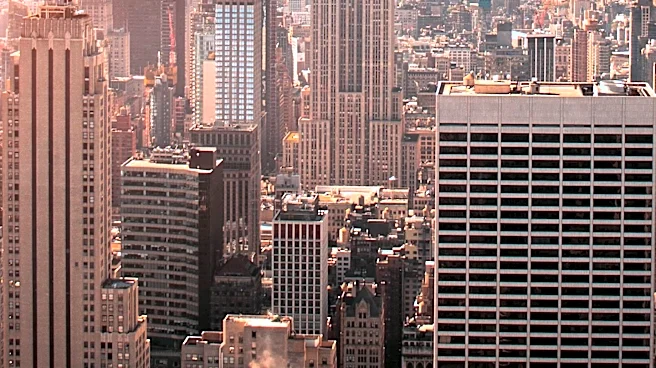
U.S. cities are increasingly looking to the historical "loft era" for lessons as they face a new wave of office-to-housing conversions, driven by high downtown office vacancies post-pandemic. The loft era, which began in New York City in the 1960s, saw
artists and later professionals convert abandoned industrial spaces into live-work units, often in defiance of existing zoning laws. Early zoning was "cumulative," allowing residences in industrial areas, but New York City's 1961 revamp introduced "noncumulative" zoning, restricting districts to single uses and making loft living illegal. This led to a long political struggle to change laws, with artists organizing to gain legal recognition. Eventually, zoning codes were amended, and tax incentives like New York's J-51 and the federal Historic Rehabilitation Tax Credit facilitated conversions. Today, downtown office vacancy rates average around 20 percent nationally, exceeding suburban rates, making conversions financially viable as multifamily rents become competitive with office rents.
Why It's Important?
The current wave of office-to-housing conversions is critical for revitalizing struggling downtowns and addressing urban housing shortages across the U.S. The lessons from the loft era highlight the importance of flexible zoning and building codes that can adapt to changing market demands. Rigid regulations, initially designed to protect manufacturing, often hindered conversions and created legal limbo for residents. By learning from past struggles, cities can streamline processes, reduce bureaucratic hurdles, and avoid unintended consequences. The economic impact is significant: converting vacant offices can transform depreciating assets into valuable residential properties, generate tax revenue, and create vibrant mixed-use neighborhoods. This shift also reflects a fundamental re-evaluation of urban purpose, moving from a focus on white-collar office work to more residential-centric downtowns, which could reshape urban economies and social structures.
What's Next?
Cities are expected to continue exploring and implementing policy changes to facilitate office-to-housing conversions. This includes revising zoning restrictions, particularly floor area ratios, to allow more residential development in former office districts. Building code reforms are also crucial, as current residential requirements often make conversions of large, deep-floor-plate office buildings prohibitively expensive. Policymakers may consider allowing conversions without requiring a complete upgrade to current codes or fundamentally altering a building's layout. While tax credits and loans can help, cities are urged to first remove their own regulatory barriers. The success of these initiatives will determine the extent to which downtowns can adapt to new work patterns and evolve into more diverse, residential communities, potentially leading to a significant transformation of urban landscapes over the next decade.
Beyond the Headlines
The historical context of the loft era reveals the complex interplay between urban planning, economic forces, and social movements. The initial resistance to loft living, driven by concerns for manufacturing and traditional zoning, eventually gave way to market demand and cultural shifts. Today's office conversion challenge echoes these dynamics, raising questions about the future identity of urban centers. The ethical dimension includes ensuring that new housing created through conversions contributes to genuine affordability and does not exacerbate gentrification. Legal complexities involve balancing property rights with public interest, especially concerning building safety and historical preservation. Culturally, the shift from office-dominated downtowns to residential hubs could foster more diverse and active street life, but also requires rethinking public services, transportation, and amenities to support a larger residential population.