



What's Happening?
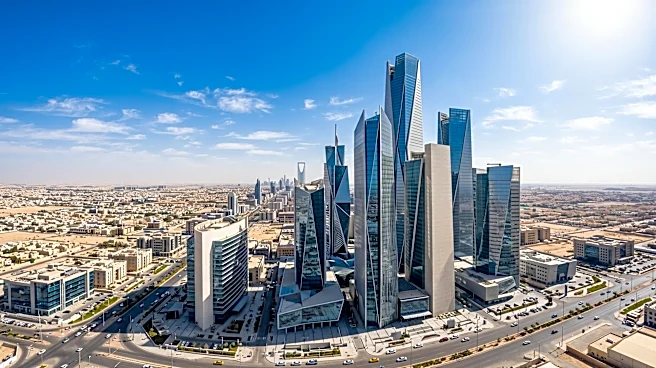
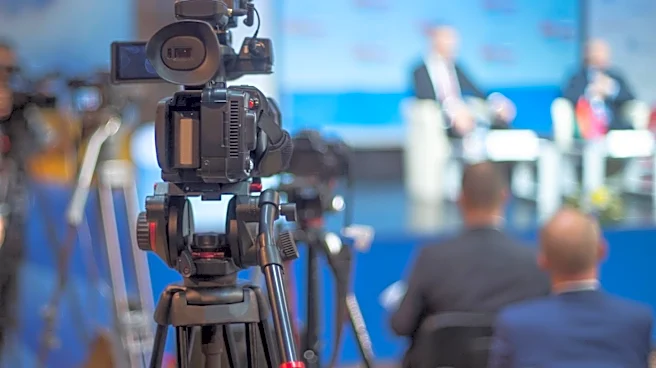
WTM Spotlight Riyadh has unveiled the program for its inaugural conference, scheduled to take place from September 8-10, 2026, at the Riyadh Front Exhibition & Conference Centre (RFECC). The three-day event will gather tourism leaders from Saudi Arabia
and international markets to explore opportunities within the Kingdom's rapidly expanding visitor economy. Discussions will center on Saudi Arabia’s Vision 2030 tourism goals, outbound travel, connectivity, visitor experiences, talent development, and technology. The opening day, themed 'Driving Growth for Vision 2030,' will examine how tourism growth can generate long-term economic and social benefits. Samer Al-Kharashi of UN Tourism will discuss tourism's role in supporting regional development while preserving culture and nature and strengthening community participation. UN Tourism will also collaborate with Chemonics International on a session focusing on community tourism and locally rooted visitor experiences. Dave Goodger, Managing Director EMEA for Tourism Economics, will assess demand, spending, and visitor trends, identifying emerging opportunities in inbound and domestic tourism. A CEO panel featuring leaders from Almosafer Travel & Tourism Co, Cruise Saudi, and flyadeal will discuss resilience and adaptability across the tourism, aviation, and hospitality sectors.
Why It's Important?
This conference is crucial for Saudi Arabia's economic diversification efforts, as it aims to significantly boost the tourism sector as a key pillar of Vision 2030. By connecting Saudi Arabia with the global tourism industry, WTM Spotlight Riyadh seeks to attract international investment, foster destination development, and enhance the overall visitor economy. The focus on long-term economic value, exceptional visitor experiences, and opportunities for local communities underscores a strategic approach to sustainable growth. The event's emphasis on outbound demand and market access highlights Saudi Arabia's growing influence as an international source market, potentially redirecting significant tourism spending. Furthermore, discussions on MICE (Meetings, Incentives, Conferences, and Exhibitions) and luxury tourism, the Chinese travel market, and wellness tourism indicate a comprehensive strategy to tap into diverse and high-value segments. The integration of technology, particularly agentic AI, in transforming travel planning and customer experiences, signals a forward-looking approach to modernizing the industry and enhancing competitiveness on a global scale.
What's Next?
Following the inaugural conference, Saudi Arabia is expected to implement strategies and initiatives discussed during the event to further its Vision 2030 tourism ambitions. The insights gained from sessions on regional development, community tourism, and market trends will likely inform future policy decisions and investment priorities. The 'Outbound Demand & Market Access' day, which includes a 'Super Panel' on capturing Saudi outbound spending, suggests that destinations and travel brands will be actively pursuing strategies to attract Saudi travelers. The final day, 'Elevated Experiences & Connected Destinations,' will explore how infrastructure and investment can translate into stronger visitor experiences, indicating potential future projects in integrated tourism corridors, aviation, cruise, rail, and road networks, as well as entertainment, culture, and attractions. The ongoing evolution of sports tourism, religious tourism, and Umrah and pilgrimage will also be a focus, suggesting continued development in these areas. The discussion on agentic AI points to future technological integrations aimed at enhancing travel planning and customer experiences.
Beyond the Headlines
The WTM Spotlight Riyadh conference represents more than just a series of discussions; it signifies a profound cultural and economic transformation within Saudi Arabia. The emphasis on preserving culture and nature while strengthening community participation suggests a conscious effort to balance modernization with heritage. This approach could lead to the development of unique, authentic visitor experiences that differentiate Saudi Arabia from other global tourism destinations. The focus on talent development within the tourism sector also implies a long-term commitment to building a skilled local workforce, fostering economic empowerment and reducing reliance on expatriate labor. The exploration of agentic AI in travel planning could set a precedent for how other nations integrate advanced technology into their tourism industries, potentially reshaping global travel patterns and consumer expectations. This initiative could also position Saudi Arabia as a leader in sustainable and technologically advanced tourism, influencing regional and international standards for responsible travel and destination management.