








What's Happening?
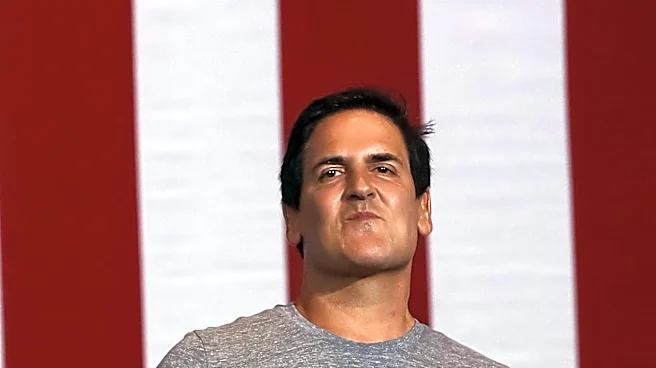
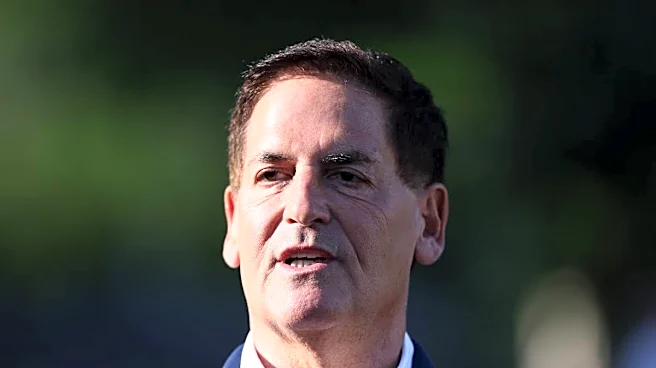
Mark Cuban, a prominent entrepreneur, has suggested that employers use artificial intelligence (AI) to identify overcharges in healthcare contracts. Speaking on the 'Digital Health Heavyweights' podcast, Cuban emphasized the potential of AI models like
ChatGPT to analyze complex healthcare contracts and highlight areas where companies might be overpaying. He criticized the lack of transparency in healthcare pricing, particularly by insurers and pharmacy benefit managers, which he believes leads to inflated costs. Cuban advocates for companies to consider direct contracts with healthcare providers to gain better control over their healthcare spending.
Why It's Important?
The use of AI in healthcare contract analysis could significantly impact how companies manage healthcare costs. By identifying overcharges, businesses can potentially reduce expenses and improve financial efficiency. This approach challenges the traditional reliance on insurers, suggesting a shift towards more direct healthcare management. If widely adopted, this could lead to increased transparency in healthcare pricing and potentially lower costs for employers and employees. The broader implication is a potential restructuring of how healthcare services are negotiated and paid for in the U.S., affecting insurers, healthcare providers, and patients.
What's Next?
As companies explore AI-driven contract analysis, there may be increased pressure on insurers to provide more transparent pricing. This could lead to regulatory scrutiny and potential reforms in healthcare pricing practices. Businesses might also begin to adopt more direct contracting with healthcare providers, which could alter the dynamics of the healthcare market. The success of AI in this domain could encourage its application in other areas of business operations, further integrating technology into corporate decision-making processes.