



What's Happening?
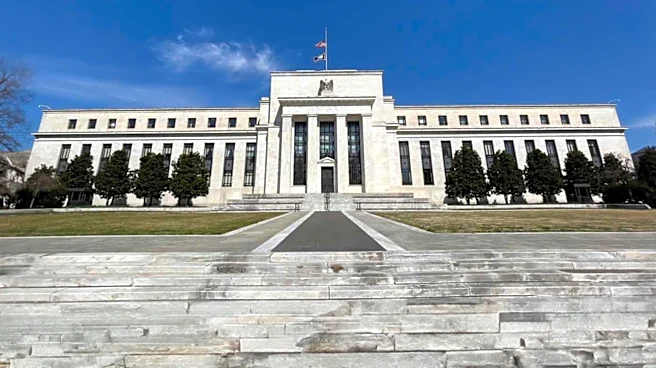
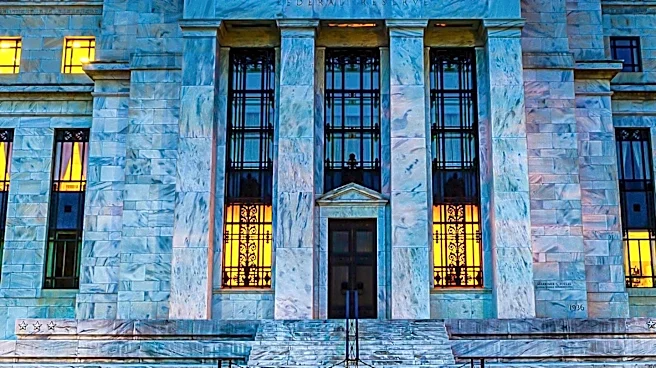
New York Federal Reserve President John Williams indicated that the central bank is likely to raise interest rates in December 2026 to combat inflation. This statement, made just before the Federal Open Market Committee's Dec. 8-9 meeting, suggests policymakers
believe more action is needed to bring inflation under control. Investors are currently pricing in a 97% chance of a quarter-percentage-point increase, according to CME Group's FedWatch tool, though Fed Governor Christopher Waller previously suggested a half-percentage-point increase might be necessary. This potential rate hike comes as U.S. households are already experiencing financial strain, particularly as the holiday shopping season is underway. The Federal Reserve sets the federal funds rate, which influences various consumer borrowing costs, including mortgages, auto loans, and credit cards. An increase in this rate makes borrowing more expensive, aiming to slow economic activity and ease inflationary pressures.
Why It's Important?
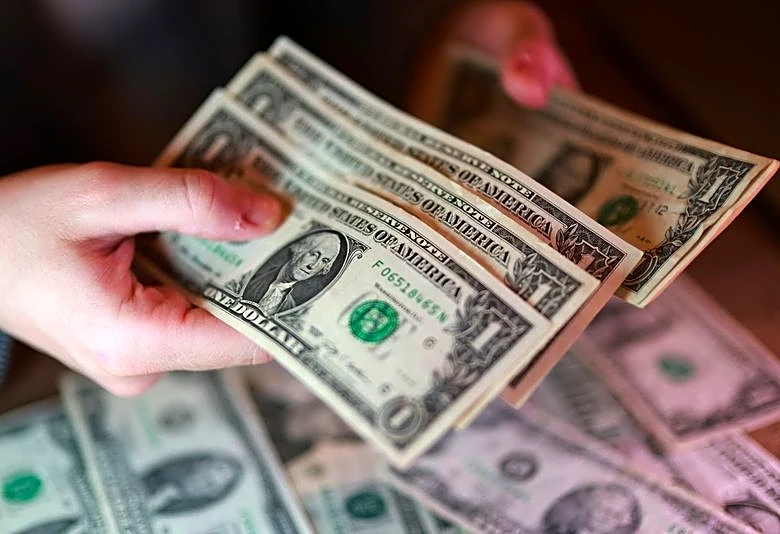
A December interest rate hike by the Federal Reserve will significantly impact American consumers, who are already facing financial challenges. Higher interest rates will directly increase the cost of credit card debt, as most credit cards have variable rates tied to the prime rate, which rises with the federal funds rate. This is particularly concerning given that Americans are carrying a record $1.29 trillion in credit card debt, with many still paying off last year's holiday purchases. Additionally, borrowing costs for auto loans and mortgages, while not directly tied to the federal funds rate, are influenced by broader market conditions that react to Fed policy. Elevated rates could further strain household budgets, potentially leading to reduced consumer spending, especially among lower-income and younger households who rely more on credit. This could slow economic activity, which is the Fed's goal in combating inflation, but it also poses a risk to consumer confidence and spending during a critical retail period.
What's Next?
Following the anticipated December interest rate hike, consumers can expect to see increased costs for various forms of debt within one to two billing cycles for credit cards. Mortgage and auto loan rates, which are already elevated, may remain high or even climb further, impacting housing and vehicle markets. The Federal Reserve will continue to monitor economic data, including inflation rates and employment figures, to determine future monetary policy adjustments. Stakeholders, including financial institutions, retailers, and consumer advocacy groups, will be closely watching the impact of these higher borrowing costs on consumer behavior and the broader economy. Businesses may see a slowdown in consumer demand as households prioritize debt repayment over discretionary spending. The effectiveness of this rate hike in curbing inflation will be a key factor in determining subsequent Fed actions in the coming months.
Beyond the Headlines
The Federal Reserve's persistent efforts to control inflation through interest rate hikes highlight a broader economic challenge: balancing price stability with economic growth and consumer well-being. While higher rates are intended to cool an overheating economy, they disproportionately affect vulnerable households, potentially widening economic disparities. The timing of this hike, during the holiday season, could exacerbate financial stress for many families, leading to difficult choices about spending and debt. This situation also underscores the ongoing debate about the effectiveness and equity of monetary policy tools in managing complex economic conditions. Long-term, a sustained period of higher interest rates could reshape consumer spending habits, encourage greater savings, and potentially lead to a more cautious approach to credit utilization, fundamentally altering aspects of the U.S. consumer economy.