


What's Happening?
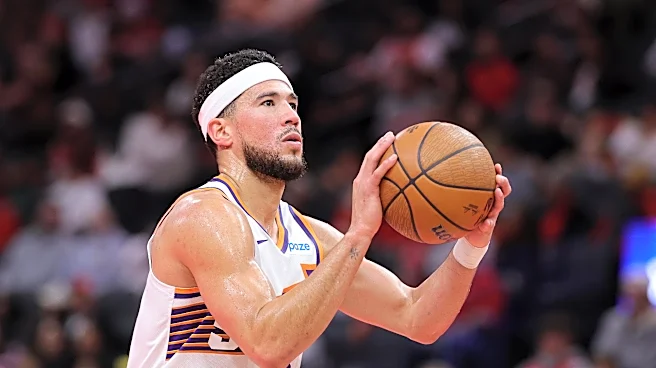
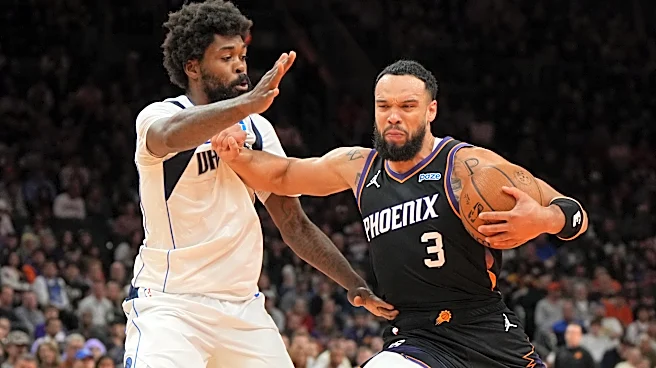
The Dallas Mavericks are currently enjoying a four-game winning streak, bringing their record to 11-7 ahead of their game against the Phoenix Suns. This success has surprised many who anticipated a more challenging season for the team. Coach Dusty May
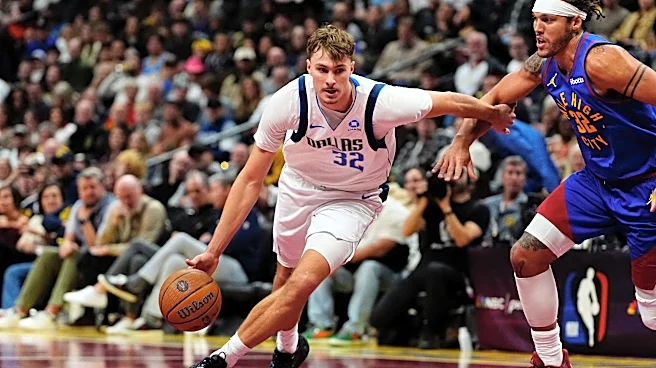
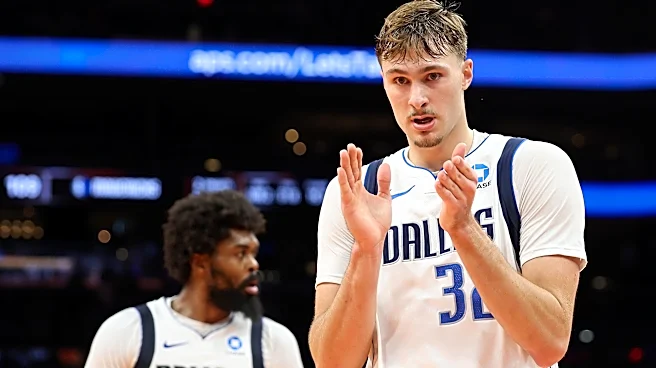
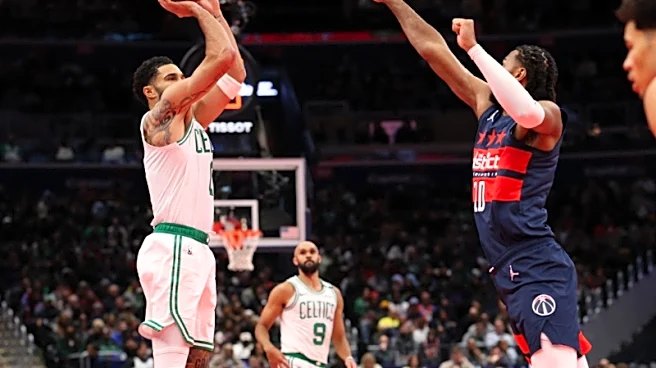
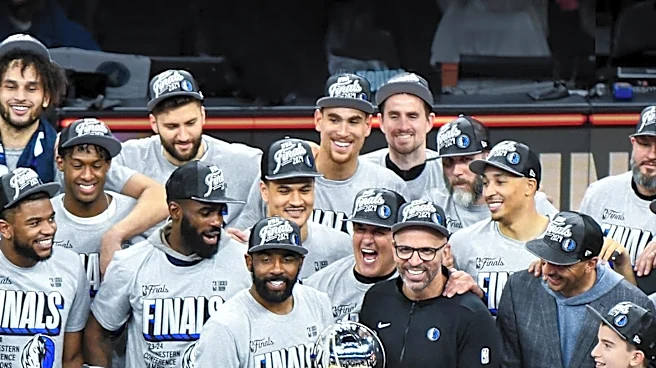
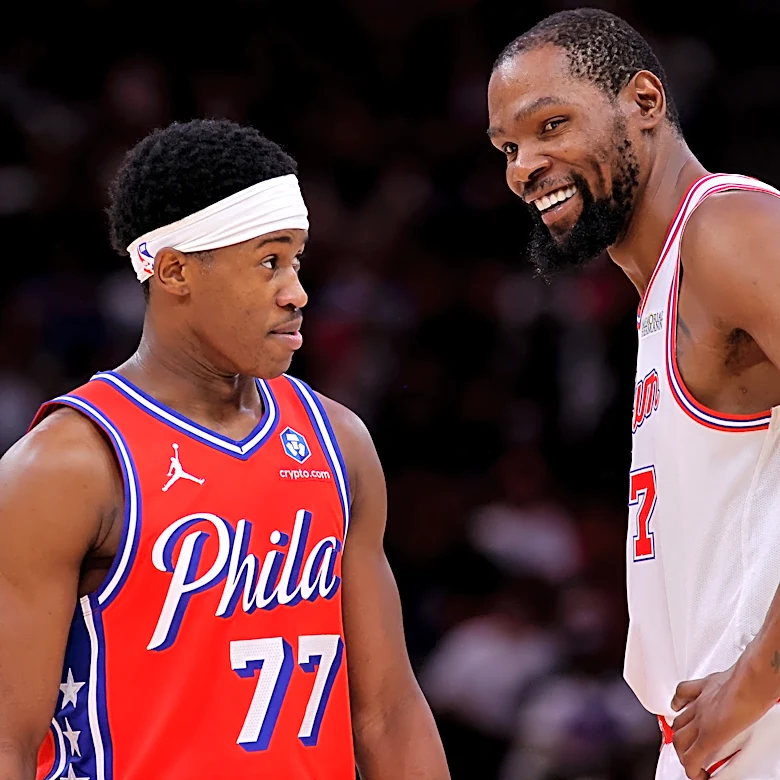
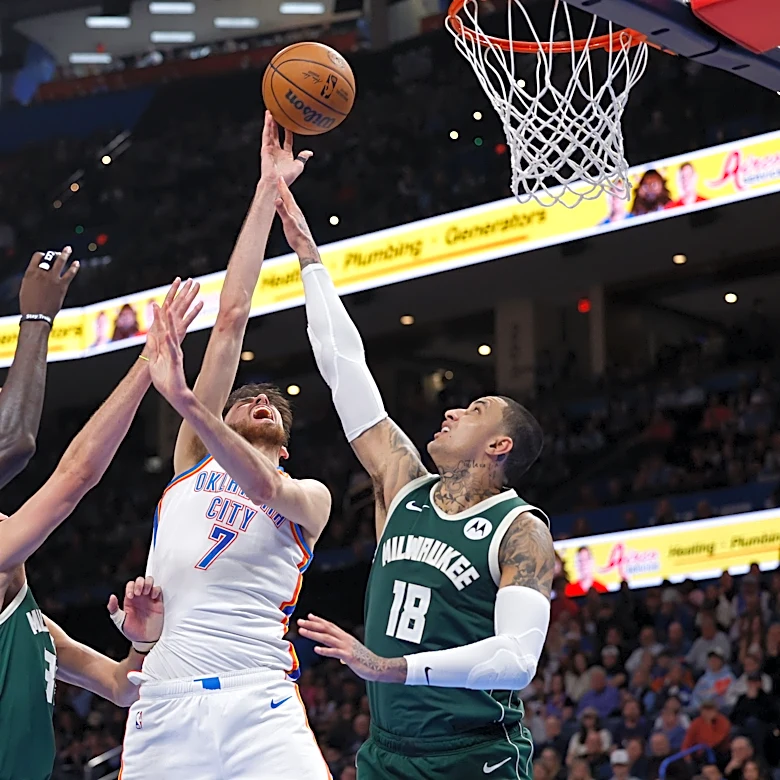
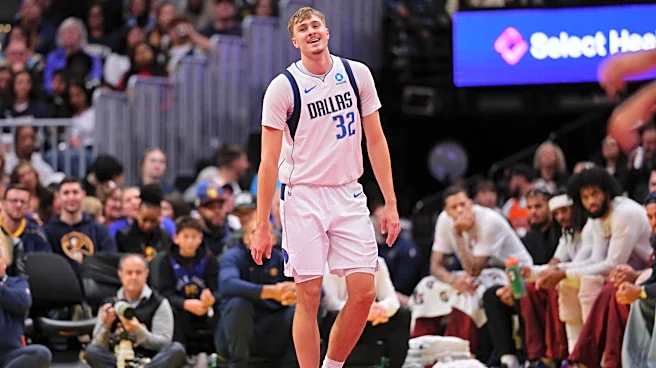
attributes this performance to the team's exceptional roster depth and strong internal cohesion. May noted that the Mavericks have more than ten players who have previously started for other NBA teams, highlighting the wealth of experience on the bench. Key contributors to this recent run include Zaccharie Risacher, Caleb Martin, Daniel Gafford, Naji Marshall, and P.J. Washington, who have alleviated pressure on star players Cooper Flagg and Kyrie Irving. Rookies Morez Johnson Jr. and Walter Clayton Jr. have also provided significant contributions. A notable aspect of the team's dynamic is the supportive environment, with players cheering for each other without envy, and veterans like Max Christie emphasizing the importance of staying ready even when not playing regularly.
Why It's Important?
The Mavericks' current success, driven by their deep roster and positive team culture, is significant for several reasons. A strong bench provides crucial support, allowing star players to manage their workload and ensuring consistent performance even when key players are resting or facing off-nights. This depth also offers strategic flexibility for Coach May, enabling him to adapt to different opponents and game situations. The emphasis on team cohesion and mutual support fosters a resilient environment, which is vital for navigating the long NBA season and overcoming adversity. For Dallas fans, this unexpected strong start builds optimism and suggests the team could be a more formidable contender than initially projected. The ability of role players to step up and perform at a high level demonstrates effective player development and strategic roster construction, which are critical for sustained success in the league.
What's Next?
The Mavericks will aim to continue their winning momentum, with their deep roster being a key factor in maintaining performance throughout the demanding NBA schedule. The eventual return of Dereck Lively II, who has been traveling with the team despite not playing this season, could further bolster their frontcourt depth and provide an emotional lift. Coach May will likely continue to leverage his extensive bench, ensuring players remain fresh and engaged. The challenge will be to maintain the current level of team cohesion and individual performance as the season progresses and competition intensifies. Managing player expectations and playing time will be crucial to prevent any potential discord, especially with so many capable players vying for minutes. The team's ability to integrate Lively II back into the rotation seamlessly will also be a point of focus as they look to solidify their standing in the Western Conference.
Beyond the Headlines
The Dallas Mavericks' current narrative extends beyond mere on-court performance, highlighting the critical role of organizational culture and player management in professional sports. The coach's emphasis on gratitude for his roster and the players' demonstrated selflessness underscore a successful leadership philosophy that prioritizes collective success over individual accolades. This approach can create a sustainable model for team building, where players are motivated by shared goals rather than personal statistics. The willingness of experienced players like Max Christie to embrace a fluctuating role for the betterment of the team speaks to a mature and professional locker room environment. In an era where player empowerment often dominates headlines, the Mavericks' story serves as a compelling example of how fostering a strong, supportive team dynamic can lead to unexpected success and create a positive, enduring legacy for the franchise.