



What's Happening?
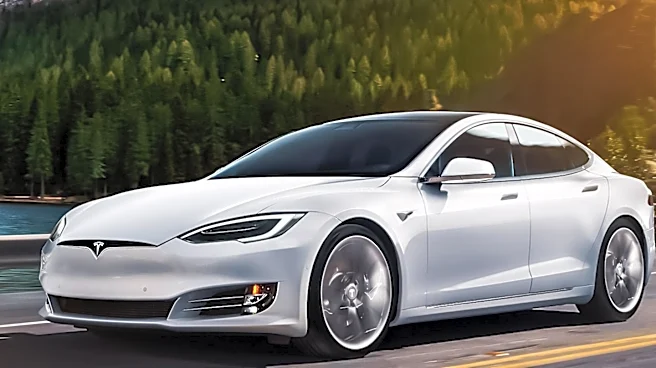
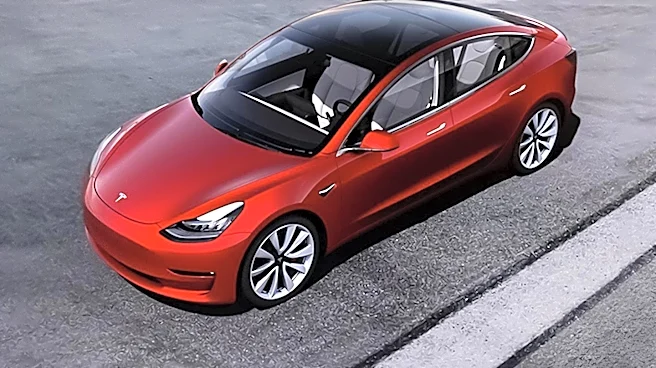
Tesla has filed a patent application for a new technology designed to prevent windshield haze from obscuring its Full Self-Driving (FSD) cameras. The patent describes incorporating volatile organic compound (VOC)-absorbing material directly into the camera housing
that surrounds the vehicle’s front cameras. This innovation aims to address the issue of a hazy film accumulating on the interior glass in front of the cameras, which degrades visibility and has been a known problem for Tesla owners. This haze is caused by VOCs and semi-volatile organic compounds released from plastics, adhesives, and other cabin materials, which then condense on the windshield. The proposed solution involves manufacturing nearby plastic components from polypropylene containing microporous crystalline aluminosilicate particles, similar to zeolites, which are capable of attracting and trapping VOC molecules. These particles could constitute up to 70% of the material by weight, with varying pore sizes to capture different compounds.
Why It's Important?
This patent is significant for Tesla as it directly addresses a persistent issue affecting the reliability and performance of its FSD system. Clear camera vision is crucial for the safe and effective operation of autonomous driving technology. The current problem often requires owners to seek service to clean the interior of the windshield in front of the cameras, incurring costs ranging from $50 to $89 in the U.S. By preventing the haze buildup, Tesla could enhance customer satisfaction, reduce service costs, and improve the overall safety and functionality of its vehicles. This passive approach to VOC absorption, if implemented, would represent a proactive solution to a problem that Elon Musk previously identified as a 'major area of focus' for the company, potentially setting a new standard for cabin material design in the automotive industry.
What's Next?
While the patent application indicates Tesla is actively exploring this technology, it does not confirm its immediate implementation in production vehicles. However, the development suggests that Tesla is committed to finding a long-term solution to the camera contamination problem. If successful, this technology could be integrated into future Tesla models, potentially eliminating the need for periodic camera housing cleaning due to internal haze. The patent also opens avenues for other automotive manufacturers to explore similar VOC-absorbing materials in their vehicle interiors, particularly as advanced driver-assistance systems (ADAS) and autonomous driving technologies become more prevalent. Further research and testing will be required to validate the long-term effectiveness and durability of these VOC-absorbing components in real-world conditions.
Beyond the Headlines
Beyond the immediate benefit to FSD camera performance, this patent highlights a broader industry trend towards addressing indoor air quality and material off-gassing in vehicles. VOCs are not only a nuisance for camera visibility but can also impact occupant health and comfort. Tesla's approach could lead to a more holistic consideration of cabin material selection and design, prioritizing materials that minimize VOC emissions. This could influence material science research and development within the automotive sector, fostering innovation in 'clean' interior components. Furthermore, the use of zeolite-like particles for VOC absorption could have applications beyond the automotive industry, potentially improving air quality in other enclosed environments where off-gassing from plastics and adhesives is a concern, such as homes or offices.