
What's Happening?
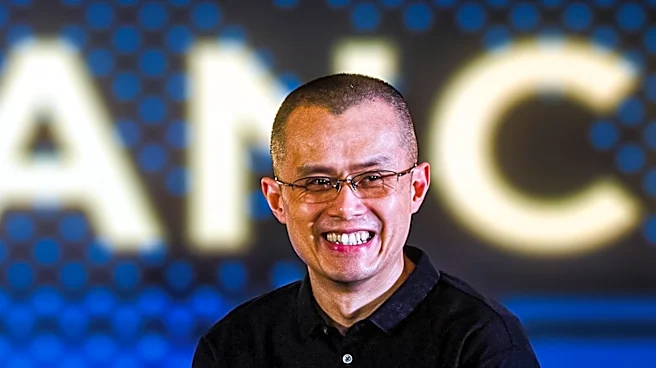
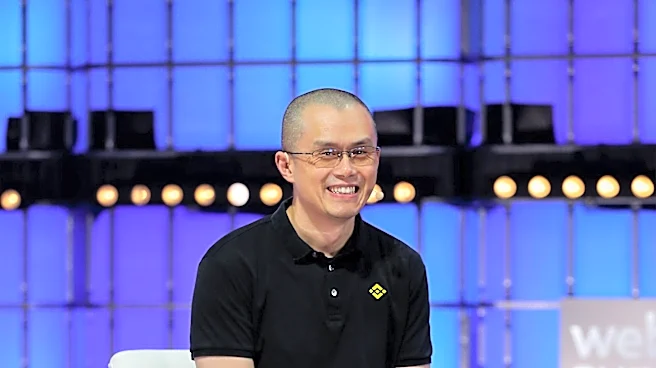
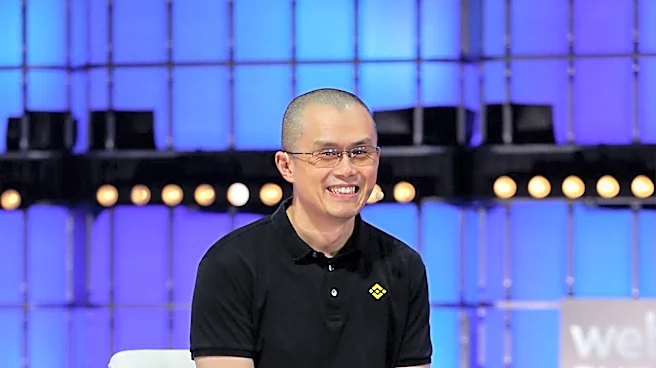
Former FTX Chief Operating Officer Constance Waing has publicly criticized Netflix's dramatization, _The Altruists_, for its portrayal of Binance founder Changpeng Zhao, also known as 'CZ.' Waing described the depiction as 'very racist,' asserting that
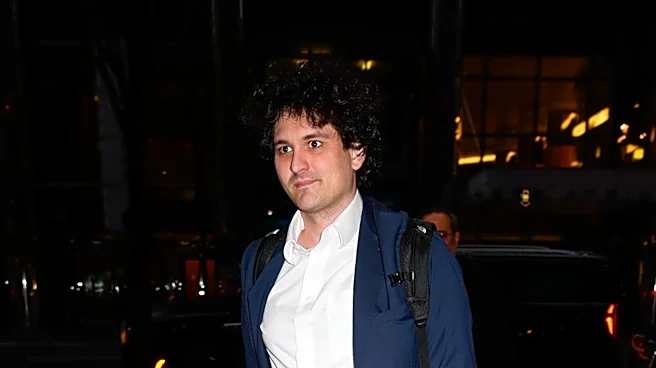
it relied on Asian mafia stereotypes. Her specific objection centers on a scene where FTX founder Sam Bankman-Fried and former Alameda Research CEO Caroline Ellison meet Zhao, who is presented as an 'Asian mafia figure trying to get these two innocent people into something bad.' This sentiment was echoed by Zhao himself, who called the scene 'insane' and questioned its impact on public perception, and by Ethereum co-founder Vitalik Buterin, who also raised concerns about the portrayal's potentially racist undertones, particularly regarding an exaggerated accent. The series, which premiered recently, chronicles the rise and fall of Bankman-Fried's crypto empire, which collapsed in November 2022 due to a multibillion-dollar shortfall.
Why It's Important?
This controversy highlights significant issues within the entertainment industry regarding representation and the potential for media to perpetuate harmful stereotypes. The criticism from a former high-ranking executive in the cryptocurrency space, along with prominent figures like Zhao and Buterin, underscores the sensitivity surrounding cultural depictions, especially when they involve real individuals and complex financial narratives. For Netflix, a global streaming giant, such accusations can impact its reputation and viewership, particularly among diverse audiences. The debate also brings to light the challenges of dramatizing real-world events, especially those involving high-stakes financial collapses and international figures, without resorting to caricatures. The portrayal could influence public perception of the cryptocurrency industry and its key players, potentially reinforcing negative biases or misunderstandings about individuals of Asian descent in leadership roles.
What's Next?
The series creator, Graham Moore, has acknowledged the fictional nature of the scene in question, stating in an essay for Vulture that 'there’s no evidence that CZ ever specifically pressured FTX to front-run.' This admission may serve to mitigate some of the immediate backlash, but the broader conversation about responsible storytelling and cultural representation in media is likely to continue. Netflix may face ongoing scrutiny regarding its creative choices and the potential for its productions to inadvertently promote stereotypes. The incident could also prompt further discussions within the entertainment industry about the ethical considerations of dramatizing recent, sensitive events and the importance of consulting with diverse cultural advisors. For the cryptocurrency community, this event may reinforce a sense of being misunderstood or unfairly depicted by mainstream media.
Beyond the Headlines
The controversy surrounding _The Altruists_ extends beyond mere artistic license, touching upon deeper societal issues of racial bias and the power of media to shape narratives. The 'Asian mafia' stereotype has a long and problematic history in Western media, contributing to xenophobia and discrimination. By invoking such imagery, even in a fictionalized context, the series risks reinforcing harmful prejudices. This incident also raises questions about the responsibility of creators when depicting real individuals, particularly those from minority groups, in dramatized accounts. The financial world, especially the nascent and often misunderstood cryptocurrency sector, is already subject to public skepticism. Portrayals that lean on stereotypes can further complicate public understanding and trust. The criticism from within the crypto community, including those directly affected by the FTX collapse, suggests a desire for more nuanced and accurate representations of their industry and its diverse participants.