


What's Happening?
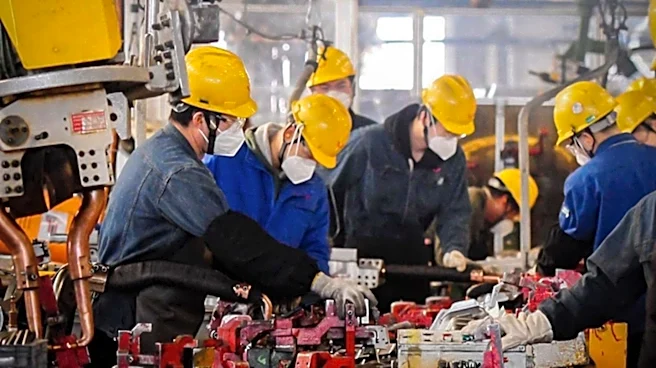
Manufacturing facilities are increasingly relying on two-way radios to improve communication, safety, and efficiency in their operations. These environments often present challenges such as high machine noise, large work areas, multiple departments, and fast
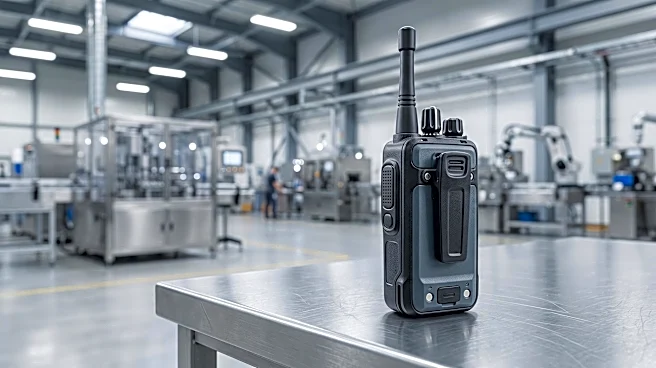
daily workflows, which can hinder effective communication. Two-way radios offer instant push-to-talk contact, enabling workers to communicate across the site quickly and efficiently. This is particularly beneficial for group communication, allowing supervisors, warehouse teams, and maintenance crews to share updates rapidly. Unlike mobile phones, two-way radios are designed for rugged industrial conditions, offering durability against drops, dust, and dampness. They also feature long battery life, often lasting through multiple shifts, and are simple to operate, even for workers wearing gloves or safety gear. The use of accessories like headsets and earpieces further facilitates hands-free operation, crucial for workers handling tools or operating equipment. This dedicated communication system helps prevent delays, reduces errors, and enhances overall safety by ensuring timely reporting of hazards and quick coordination among teams.
Why It's Important?
The adoption of two-way radios in manufacturing facilities is critical for maintaining operational continuity and ensuring worker safety in the U.S. industrial sector. In environments characterized by constant activity and potential hazards, clear and immediate communication can be the difference between smooth operations and costly disruptions or accidents. For U.S. manufacturers, this translates into tangible benefits such as increased productivity due to reduced communication delays, improved response times to maintenance issues, and enhanced coordination across various departments. The ruggedness and reliability of these devices mean less downtime for communication equipment, a significant advantage over consumer-grade mobile phones that are not built for such demanding conditions. Furthermore, the ability to communicate instantly and in groups supports a proactive safety culture, allowing for rapid dissemination of critical information during emergencies. This investment in robust communication infrastructure helps U.S. manufacturing facilities remain competitive by optimizing their workflows and protecting their workforce, ultimately contributing to a more resilient and efficient industrial base.
What's Next?
As manufacturing facilities continue to evolve, the integration of advanced two-way radio systems is expected to become more sophisticated. Future developments may include enhanced digital radio capabilities offering clearer sound and more efficient channel usage, catering to larger plants and more complex communication needs. Manufacturers will likely focus on systems that offer scalability, allowing for easy expansion to accommodate new departments or facility growth. The trend towards integrating emergency features, such as alert functions for injuries or machine problems, will also continue to advance, further bolstering workplace safety. Additionally, the market may see more specialized accessories designed to improve usability in specific industrial contexts, such as enhanced noise-canceling headsets or more ergonomic designs for gloved hands. The ongoing evaluation of analog versus digital systems will guide purchasing decisions, with a growing preference for digital solutions due to their superior sound quality and feature sets, especially in larger and more complex U.S. manufacturing operations.
Beyond the Headlines
Beyond the immediate operational benefits, the widespread use of two-way radios in U.S. manufacturing facilities underscores a broader commitment to industrial safety and efficiency that impacts the national economy. The reliance on these dedicated communication tools highlights a recognition that general-purpose consumer devices, like smartphones, are often inadequate for the unique demands of industrial settings. This distinction points to a deeper understanding within the industry of the need for purpose-built solutions that prioritize function, durability, and reliability over versatility. Ethically, providing robust communication tools like two-way radios demonstrates an employer's commitment to worker well-being, ensuring that employees can quickly report issues or call for help, thereby reducing the risk of severe injuries or fatalities. Economically, the enhanced efficiency and reduced downtime contribute to the overall productivity of the U.S. manufacturing sector, strengthening its global competitiveness and supporting job stability. This strategic investment in foundational communication technology reflects a mature approach to industrial management, balancing technological advancement with practical operational realities and human safety.