



What's Happening?
Christian Dior SE, through its various subsidiaries, is actively involved in the production, distribution, and retail of a wide array of luxury goods across France, Europe, Japan, Asia, and the United States. The company's extensive portfolio includes
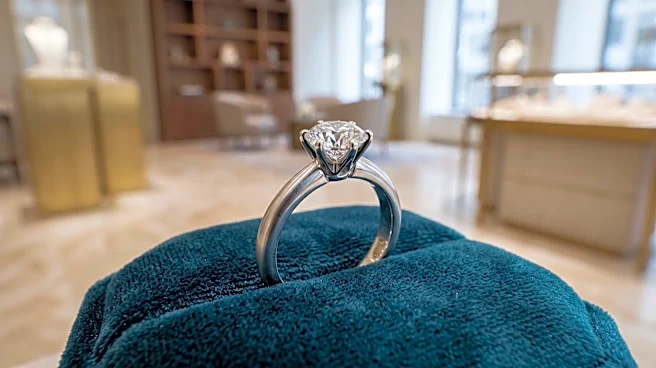
fashion and leather goods under brands like Louis Vuitton, Fendi, and Celine; wines and spirits such as Hennessy and Moët & Chandon; and perfumes and cosmetics, including Parfums Christian Dior and Guerlain. Additionally, Christian Dior SE offers watches and jewelry from brands like Tiffany and Bvlgari. The company also operates retail stores, including Sephora and Le Bon Marché, and is involved in publishing and real estate activities. Products are sold through a network of physical stores, e-commerce websites, and via agents and distributors. Christian Dior SE was incorporated in 1946 and is headquartered in Paris, France, operating as a subsidiary of Financière Agache Société Anonyme.
Why It's Important?
Christian Dior SE's significant presence in the U.S. luxury market has a notable impact on consumer trends and the retail landscape. The company's diverse brand portfolio, spanning fashion, cosmetics, and spirits, caters to a high-end consumer base, influencing purchasing habits and setting luxury standards. Its operations contribute to the U.S. economy through retail sales, employment, and supply chain activities. The company's strategic use of both physical stores and e-commerce platforms reflects broader shifts in retail, where luxury brands are increasingly integrating digital channels to reach consumers. For U.S. consumers, the availability of these brands signifies access to global luxury trends, while for domestic luxury retailers, it represents both competition and a benchmark for quality and marketing. The company's continued investment in the U.S. market underscores the importance of American consumers to the global luxury industry.
What's Next?
Christian Dior SE is expected to continue its global expansion and diversification within the luxury sector, with a sustained focus on key markets like the United States. The company will likely further integrate its e-commerce strategies with its physical retail presence to enhance the customer experience and adapt to evolving consumer preferences. Continued innovation in product lines, particularly in fashion, perfumes, and cosmetics, will be crucial for maintaining its competitive edge. The company may also explore new partnerships or acquisitions to strengthen its market position and expand its brand portfolio. Given its broad reach, Christian Dior SE will need to navigate global economic shifts and consumer spending patterns, particularly in the luxury segment, to ensure sustained growth and profitability.
Beyond the Headlines
The operations of Christian Dior SE extend beyond mere commerce, influencing cultural perceptions of luxury and aspiration in the U.S. and globally. The brand's historical legacy, rooted in the 'New Look' of 1947, continues to shape fashion aesthetics and design principles. Its extensive brand family, part of the LVMH Group, highlights the consolidation of power within the luxury industry, raising questions about market diversity and independent designers. The company's commitment to sustainability and corporate social responsibility, as indicated by its employee-led communities, reflects a growing trend among luxury brands to address ethical and environmental concerns. This broader impact on culture, ethics, and industry structure makes Christian Dior SE a significant player beyond its financial performance.