





What's Happening?
A planned 'Cleopatra' biopic starring Angelina Jolie, which was in development at Sony Pictures, ultimately collapsed due to a combination of factors, including the 2014 hack of Sony Pictures and internal disagreements. Director Martin Scorsese recently
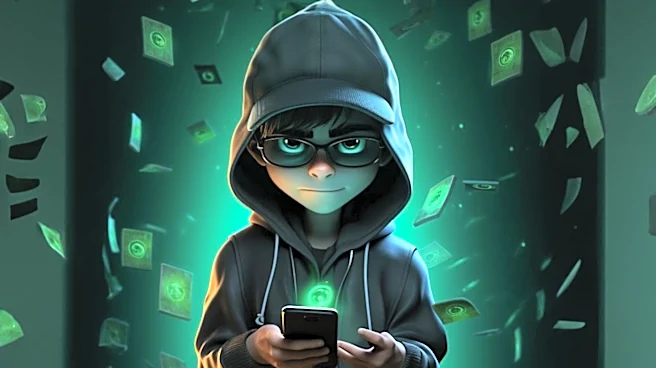
commented on the project's demise, attributing it to the hack by North Korean agents in response to the film 'The Interview.' However, the project faced significant challenges even before the cyberattack. The origins of the film date back to 2010, with producer Scott Rudin developing an adaptation of Stacy Schiff's book 'Cleopatra: A Life' for Jolie. The project moved to Sony Pictures under Amy Pascal, with writers Brian Helgeland and Eric Roth working on the script. Tensions arose over the choice of director, with Jolie reportedly favoring David Fincher, who was then assigned to another project. The Sony hack, which exposed internal communications, revealed producer Scott Rudin's disparaging remarks about Jolie, further complicating the film's future.
Why It's Important?
The cancellation of a high-profile project like 'Cleopatra' highlights the significant impact that cybersecurity breaches and internal corporate communications can have on major film productions. The Sony Pictures hack of 2014, which North Korea allegedly orchestrated, not only disrupted the studio's operations but also exposed sensitive information that led to the unraveling of this particular film. This incident underscores the vulnerability of entertainment companies to cyber threats and the potential for such breaches to influence creative decisions and professional relationships. The public revelation of private emails can damage reputations and create irreparable rifts, demonstrating how external attacks can exacerbate existing internal conflicts within a major studio. This event serves as a cautionary tale for the entertainment industry regarding digital security and the management of internal communications.
What's Next?
While the specific 'Cleopatra' project with Angelina Jolie is effectively dead, the broader implications of the Sony hack continue to resonate within the entertainment industry. Studios have likely enhanced their cybersecurity measures in the wake of such a high-profile breach to protect sensitive project details, financial information, and internal communications. The incident also serves as a reminder for industry executives and producers about the importance of professional conduct in all communications, as leaked information can have severe consequences for careers and projects. Future large-scale productions will likely proceed with increased caution regarding digital security and internal transparency, aiming to prevent similar disruptions and reputational damage.
Beyond the Headlines
The 'Cleopatra' project's failure, partly due to the Sony hack, reveals a deeper intersection of geopolitics, cybersecurity, and the entertainment industry. The alleged involvement of a nation-state in a cyberattack targeting a film studio over a satirical movie ('The Interview') demonstrates how cultural products can become targets in international disputes. This incident blurs the lines between entertainment, politics, and national security, highlighting the potential for non-traditional forms of warfare in the digital age. Furthermore, the exposure of private emails and the subsequent fallout underscore the ethical considerations surrounding digital privacy and the potential for personal opinions, when made public, to derail professional endeavors, even in the highly public world of Hollywood.